Living with cats usually means living with fur everywhere. For many cat owners, shedding is just part of the experience. Fur ends up on furniture, clothing, blankets, and sometimes can even be seen floating through the air in the sunlight.
For some cat lovers, all that extra fur is simply part of sharing a home with a feline. For others, constant vacuuming and lint rolling can quickly become frustrating. Choosing a breed that sheds less can help keep your home cleaner and your daily upkeep much easier.
While no cat is completely shed-free, certain breeds shed so little that most owners rarely notice much buildup at all. These low shedding cats are often a great fit for tidy households, smaller living spaces, or anyone who wants a cleaner home without giving up the companionship of a cat.
Low shedding cat breeds at a glance: Jump to any breed below.
- Very minimal shedding: Sphynx, Cornish Rex, Devon Rex, Peterbald
- Short-haired and low maintenance: Bengal, Russian Blue, Bombay, Burmese, Siamese, Oriental Shorthair, Singapura
- Fluffy but surprisingly low shedding: Balinese, Siberian, Javanese, LaPerm
Each of these breeds sheds less than most cats, but coat type, grooming needs, and personality can vary. Let’s take a closer look at what to expect from each one.
Are There Cats That Don’t Shed?
No cat with fur is completely shed-free. All cats naturally lose some hair as part of normal coat growth, so a small amount of shedding is unavoidable.
That said, some breeds shed so little that most owners rarely notice fur building up around the home. The difference often comes down to coat type. Cats with fine, short, curly, or single-layer coats simply release less loose hair day to day.
Hairless breeds like the Sphynx don’t have a traditional coat, so they don’t leave fur behind. They do need regular skin care to manage natural oils, which means they aren’t completely maintenance-free, but they remain one of the lowest-shedding options overall.
If your goal is less visible fur around your home, focusing on low shedding cat breeds is the most realistic approach.
Why Some Cats Shed Less Than Others
Shedding levels vary widely between cat breeds, and coat structure plays the biggest role in how much loose hair you’ll see around your home. Cats with dense double coats typically shed more because they constantly renew both an outer coat and a thick undercoat.
Low shedding breeds often have single-layer coats, very fine hair, or coats that lie close to the body. Without a heavy undercoat continuously shedding, there is simply less loose fur to fall onto floors, furniture, and clothing.
Curly-coated breeds like the Cornish Rex and Devon Rex shed very little because their unique coat structure traps loose hairs. Instead of falling out freely, shed hairs tend to stay within the curls until brushed away, which helps reduce cat hair around your home.
Hairless and nearly hairless cats reduce visible shedding even further. While they still require grooming and skin care, they don’t leave traditional fur around the home.
Even among low shedding breeds, diet, health, grooming habits, and seasonal changes can affect how much a cat sheds. But overall, choosing the right breed can make a dramatic difference in daily cleanup and how much loose fur you see around your home.
Low Shedding Cat Breeds
If you’re looking for a cat that keeps shedding to a minimum, these low shedding cat breeds are some of the best choices. Each one has coat qualities that naturally reduce the amount of loose hair you’ll find around your home.
While every cat sheds at least a little, the breeds below are known for producing far less visible fur than most. Whether you want a short-haired cat, a curly-coated breed, or even a nearly hairless companion, these cats can help keep your home cleaner and reduce daily cleanup.
Siberian
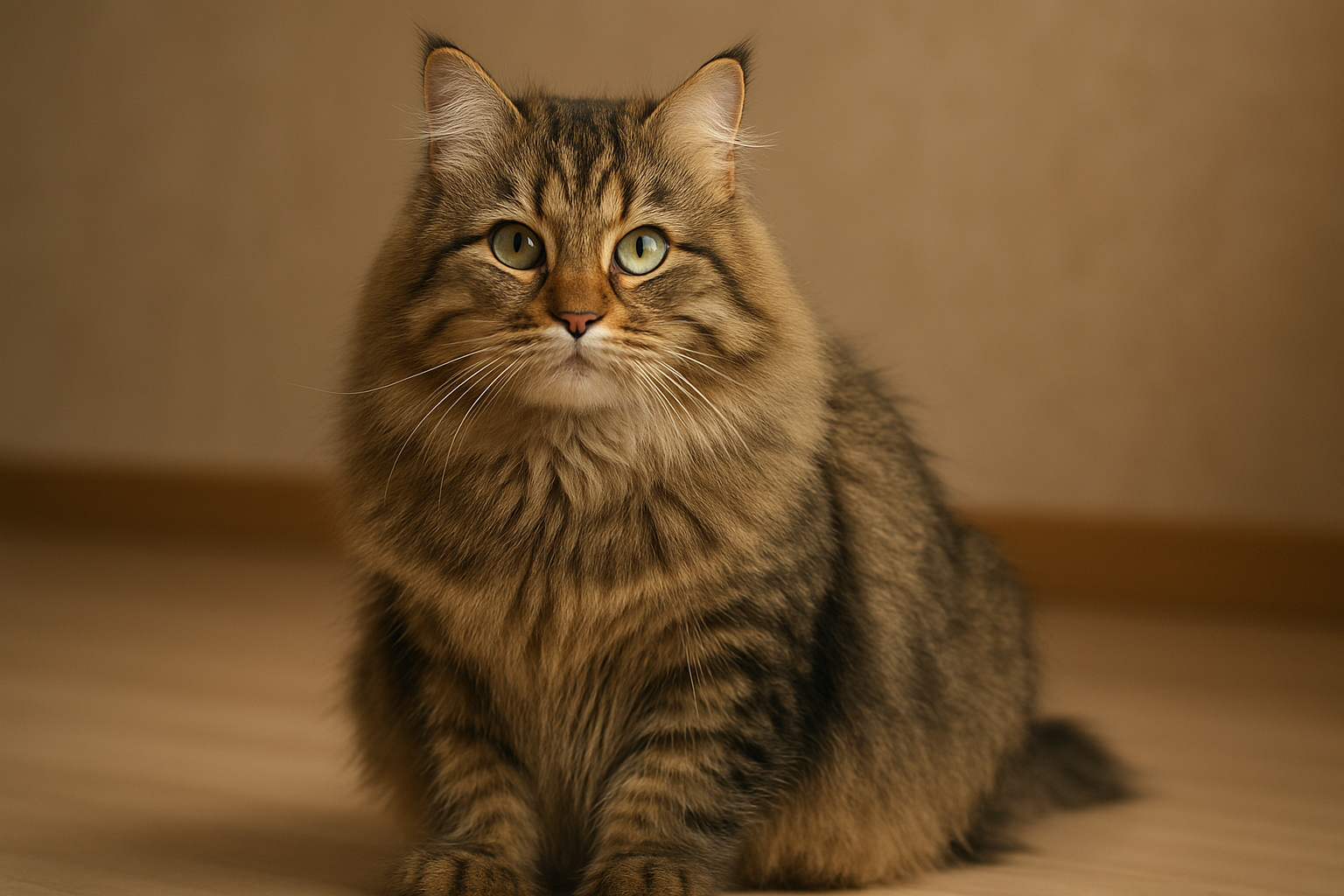
The Siberian may look like it would shed heavily because of its thick, fluffy coat, but many owners are surprised by how manageable the shedding actually is. Unlike some long-haired breeds that shed constantly, Siberians tend to release most of their loose fur during seasonal changes rather than year-round.
Their triple-layer coat is designed for cold climates, yet it often produces less daily shedding than expected. With regular brushing, most loose hairs are removed before they spread around the home, keeping day-to-day cleanup relatively easy.
Siberians are affectionate, playful, and loyal cats that form strong bonds with their families. They enjoy interaction but are typically not overly demanding, making them a great fit for households looking for a friendly companion with manageable shedding.
For cat lovers who want a fluffy companion without constant cleanup, the Siberian offers a surprisingly manageable coat. With regular brushing and simple grooming habits, most owners find that keeping fur under control is much easier than expected for such a luxuriously coated breed.
Bengal
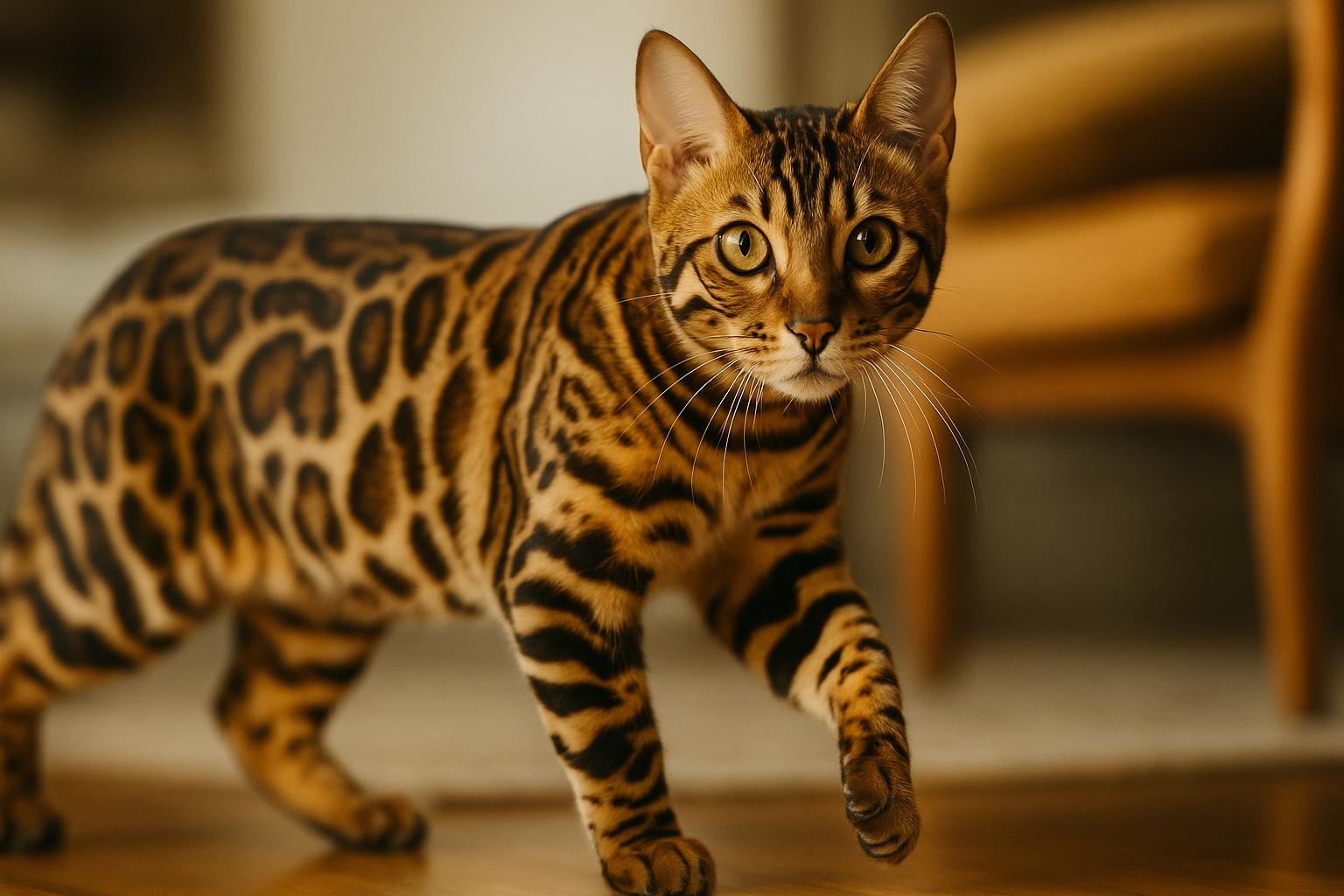
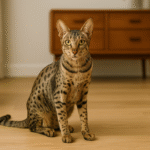
The Bengal’s short, sleek coat is one of the easiest to manage when it comes to shedding. Because the fur lies close to the body and lacks a thick undercoat, loose hairs don’t fall out in large amounts.
Most Bengal owners notice very little shedding throughout the year. Occasional brushing helps maintain the coat’s glossy appearance and removes any loose hair before it has a chance to accumulate on furniture or clothing.
Bengals are highly active and intelligent cats that thrive in engaging environments. They love climbing, exploring, and interactive play, making them a great choice for households that want an energetic companion without heavy shedding.
If you want a cat with an eye-catching coat that’s easy to maintain, the Bengal is an easy breed to live with. Their sleek, close-lying fur requires very little upkeep and rarely creates noticeable buildup, making them a great choice for owners who want both style and simplicity.
Balinese
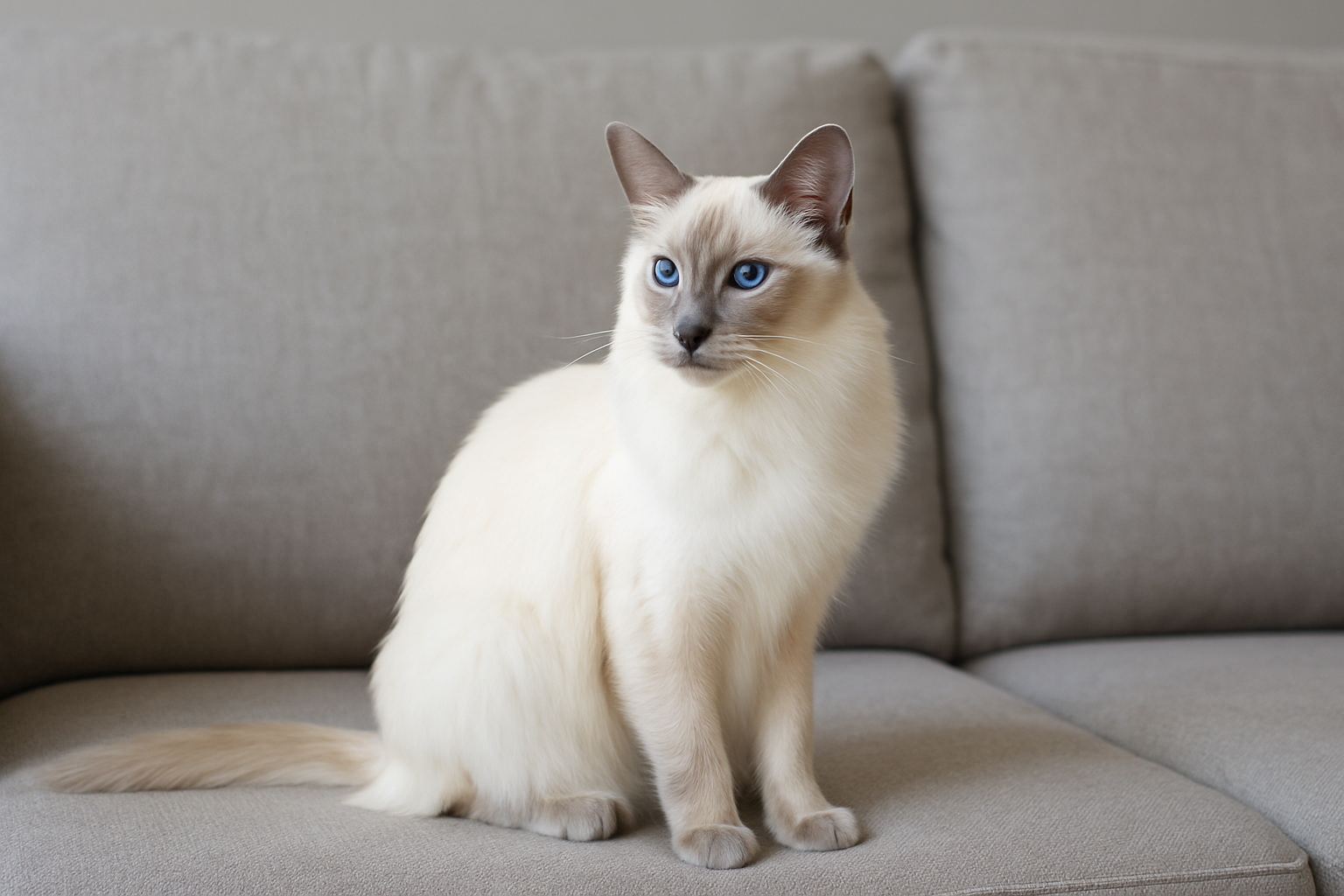
The Balinese is often described as a long-haired Siamese, but its silky coat sheds far less than most people expect. Because the breed lacks a dense undercoat, there is significantly less loose fur to fall out around the home.
Their single-layer coat stays smooth and rarely mats, making grooming simple. Weekly brushing is usually enough to keep shedding minimal and maintain the coat’s soft texture.
Balinese cats are affectionate, vocal, and deeply bonded to their families. They enjoy companionship and often follow their owners from room to room, making them both interactive and relatively low shedding.
For cat lovers who want a graceful, long-haired companion without constant fur cleanup, the Balinese is an appealing choice. Their light, silky coat is easy to maintain and rarely leaves noticeable hair around the home, giving you the look of a fluffy cat without the usual level of shedding.
Burmese
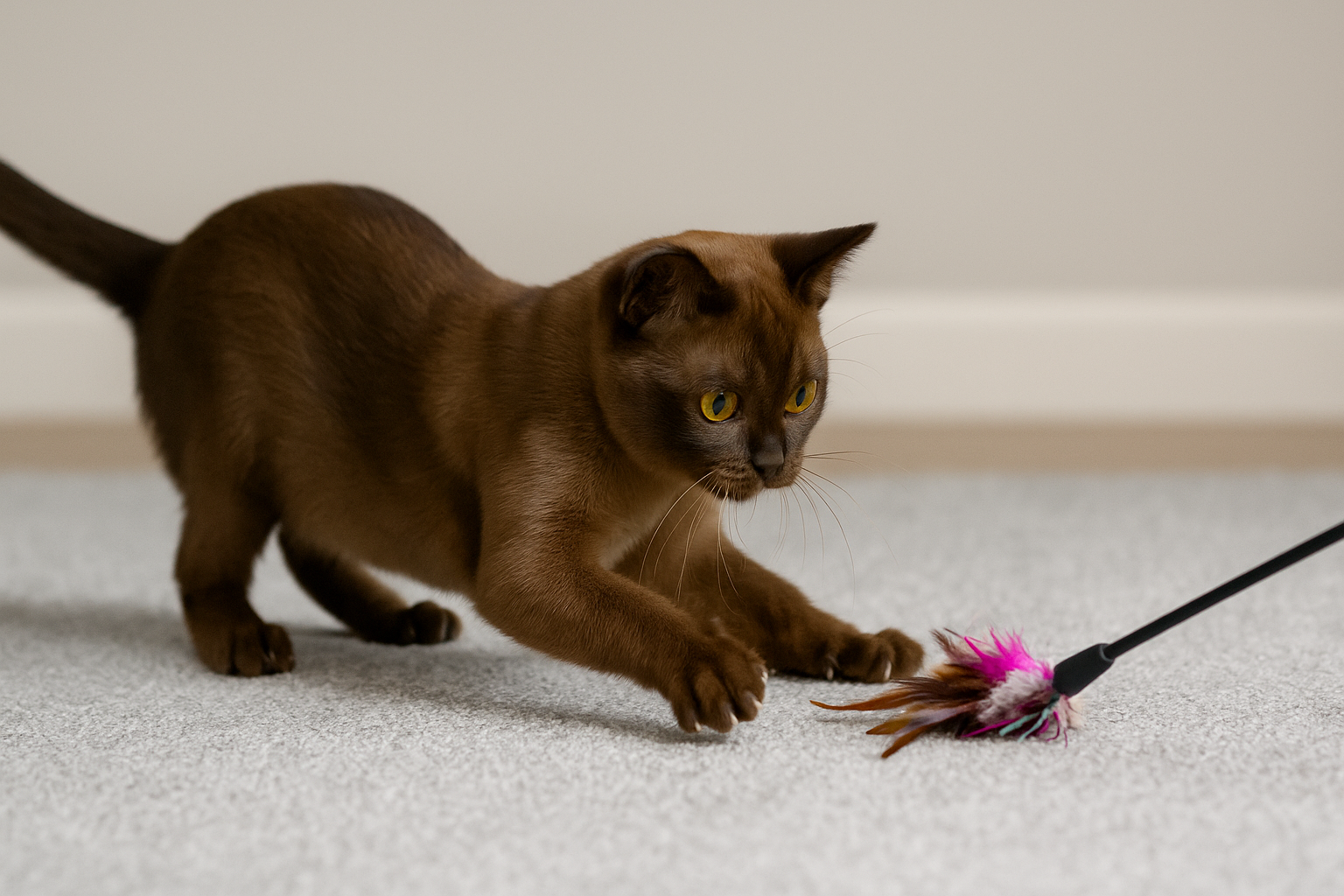
The Burmese has a short, satin-like coat that naturally sheds very little. Without a thick undercoat, loose hairs are minimal and easy to manage, which helps keep homes cleaner.
Most Burmese cats maintain their sleek coat with little more than occasional brushing. Their fur tends to stay close to the body rather than floating around furniture and clothing.
This breed is known for its affectionate and people-oriented personality. Burmese cats thrive on interaction and often seek out attention, happily settling nearby or joining in whatever their owners are doing throughout the day.
If you want a cat that stays close to you without leaving fur everywhere, the Burmese is a wonderful match. Their smooth, low-maintenance coat and affectionate nature make them especially easy to live with, offering plenty of companionship without adding extra cleanup to your daily routine.
Cornish Rex
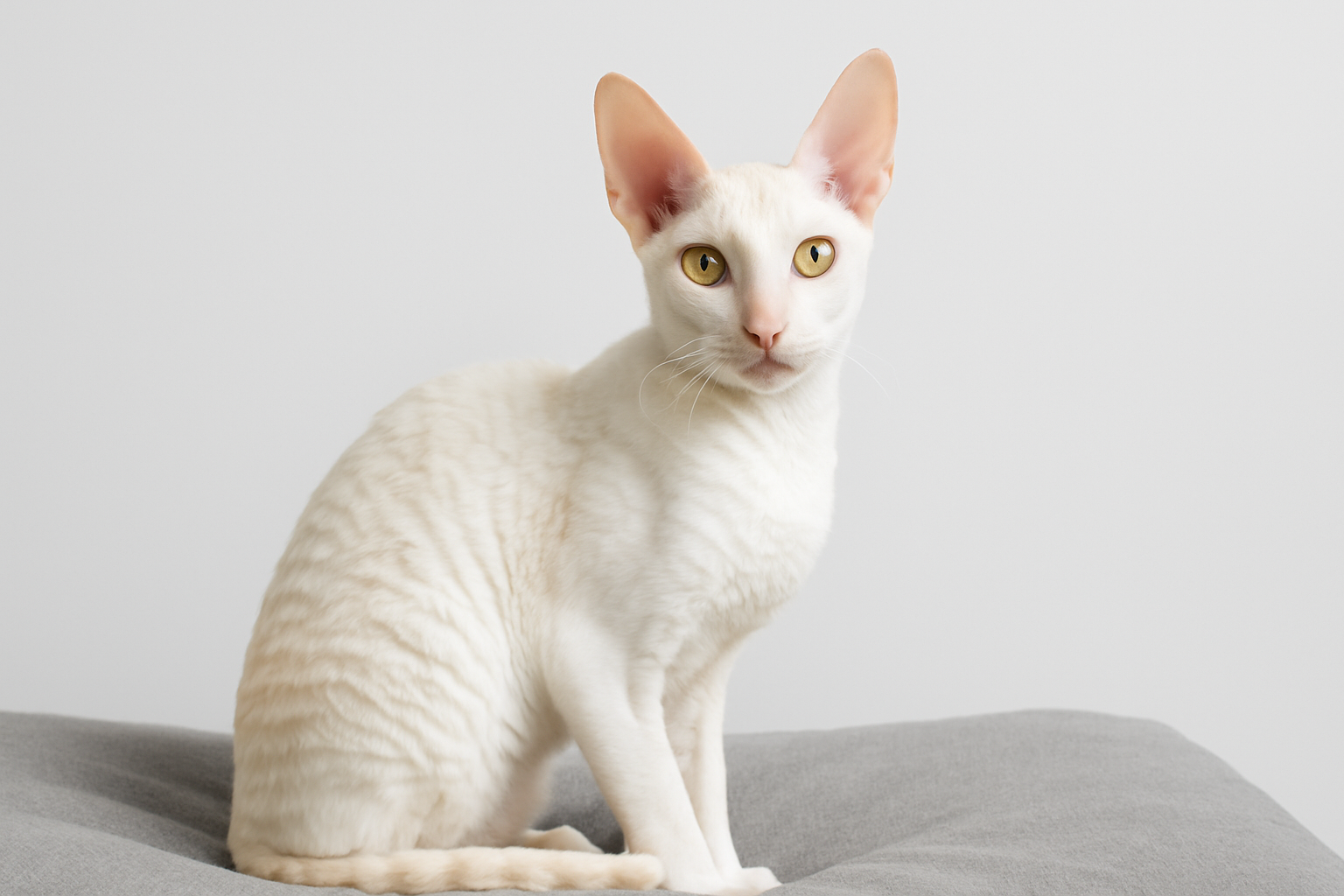
The Cornish Rex has one of the most unusual coats in the cat world. Unlike most cats, which have a heavier outer coat and undercoat, this breed only has a soft layer of fine, curly fur. With no thick guard hairs constantly shedding, there’s simply less hair to manage on furniture, clothing, and floors.
Most loose hairs remain trapped within the gentle curls rather than falling onto furniture or clothing. As a result, many Cornish Rex owners notice very little visible shedding in their day-to-day lives.
This breed benefits from occasional gentle grooming and sometimes regular bathing to keep the skin and coat healthy. Because the coat is so fine, oils can build up more quickly than with heavier-coated breeds.
For owners who want something a little different, the Cornish Rex offers both a distinctive look and an easy-care coat. Many people find that their soft curls keep everyday cleanup simple, making this breed a great fit for homes where minimal shedding is a priority.
Devon Rex
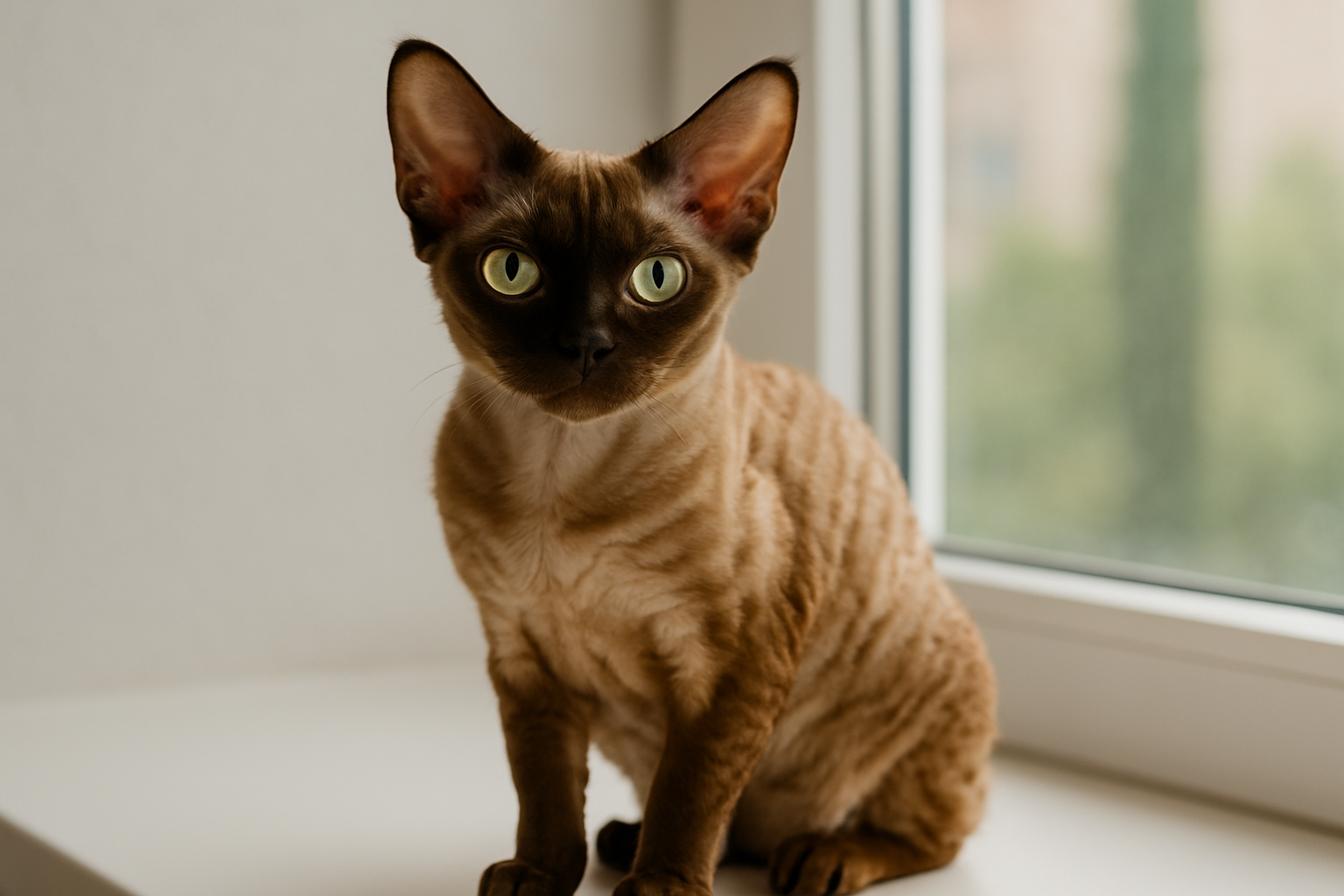
Like the Cornish Rex, the Devon Rex has a soft, wavy coat that produces very little shedding compared to most breeds. Their fur is short, delicate, and often described as velvety, with shed hairs tending to stay within the coat instead of settling on surfaces throughout the home.
Because the coat is so fine and close to the body, grooming needs are minimal. Many owners find that occasional gentle brushing is enough to keep the coat healthy and tidy without much daily maintenance.
Devon Rex cats are playful, curious, and full of personality. They’re known for their mischievous streak and love of warm laps, often staying close to their favorite people and seeking out cozy spots to curl up.
If you’re looking for a cat with a soft coat and easy upkeep, the Devon Rex is a fun and practical choice. Their light shedding and simple grooming routine make them especially appealing for households that want a cleaner home without sacrificing personality.
Sphynx
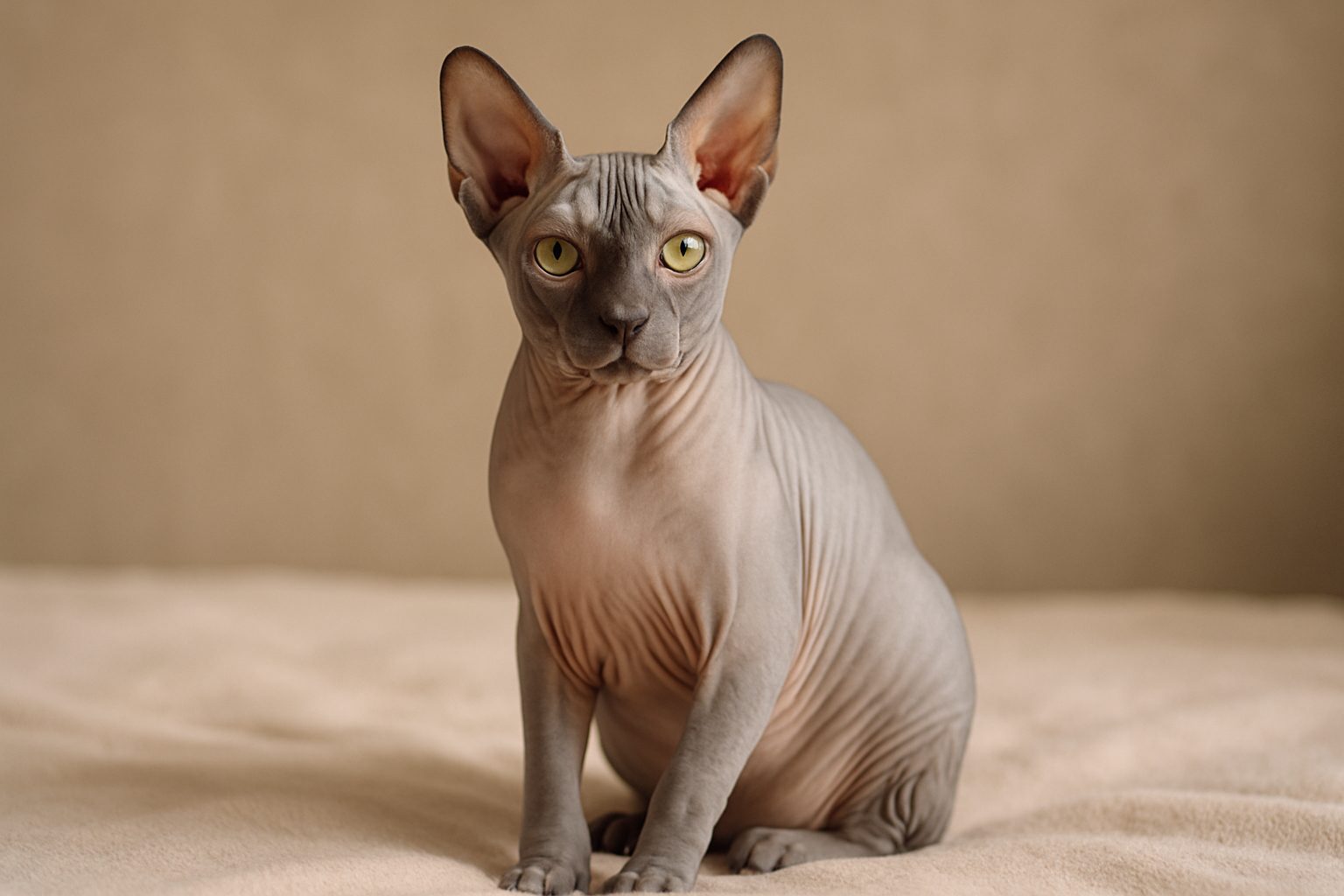
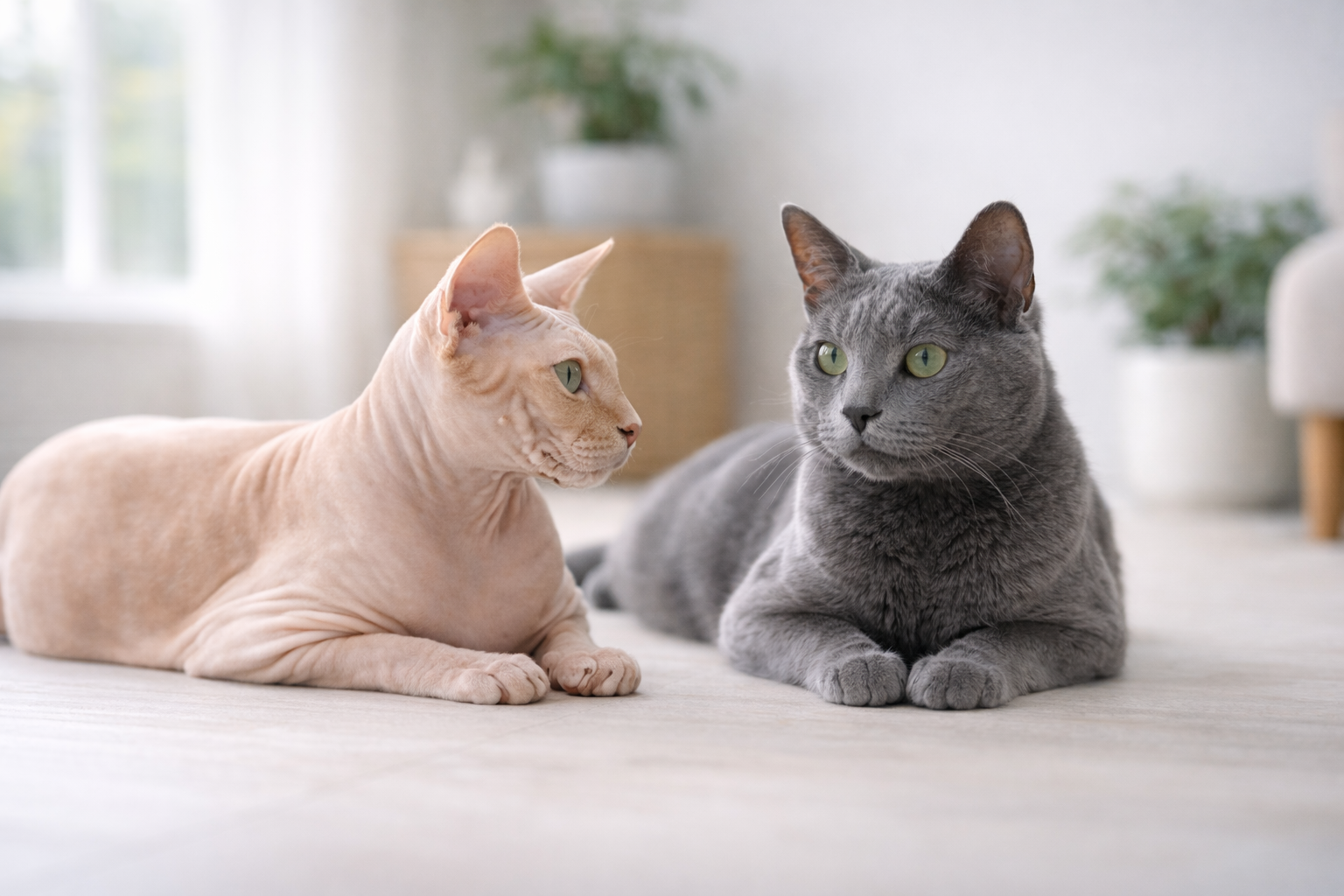
The Sphynx is famous for its nearly hairless appearance, making it one of the closest things to a non-shedding cat. Without a traditional coat, there’s very little hair to collect on furniture, clothing, or floors.
That said, being hairless doesn’t mean maintenance-free. Sphynx cats require regular bathing and basic skin care because natural oils that would normally be absorbed by fur remain on the skin. Gentle, consistent cleaning helps keep their skin comfortable and prevents buildup.
Many owners find that daily cleanup is simpler without fur accumulating throughout the house. There’s no heavy brushing routine and far less need for lint rolling compared to most coated breeds.
For households that want the lowest possible shedding, the Sphynx is hard to beat. Their lack of a traditional coat keeps stray hair to a minimum, while their affectionate, outgoing personality makes them engaging companions that love warmth and attention.
Siamese
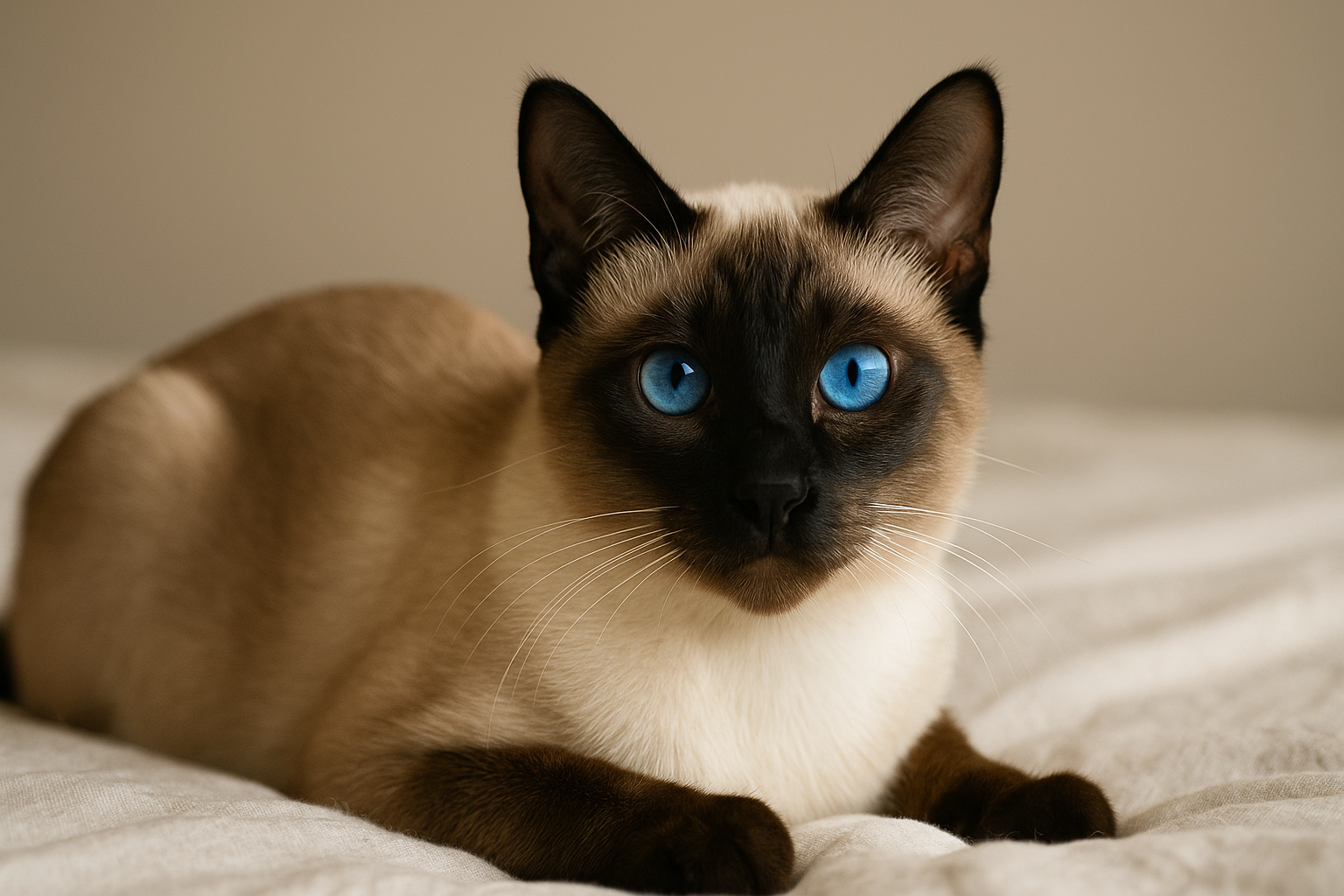
The Siamese has a short, sleek coat that lies close to the body, helping keep shedding relatively low. While they still shed like all cats, the fine texture and shorter length of their fur mean there is usually much less noticeable hair compared to heavier-coated breeds.
Most Siamese cats maintain their coat with very little grooming. A quick weekly brush is often enough to keep the coat smooth and remove any shed hairs before they build up on surfaces around the home.
Siamese cats are highly social, vocal, and affectionate. They enjoy being involved in daily routines and often form strong bonds with their owners, making them lively companions that thrive on attention and interaction.
If you want a sleek, low-maintenance coat paired with a highly engaging personality, the Siamese is a great match. Their short fur is easy to manage, and many owners find that keeping surfaces clear of cat hair requires far less effort than with thicker-coated breeds.
Oriental Shorthair
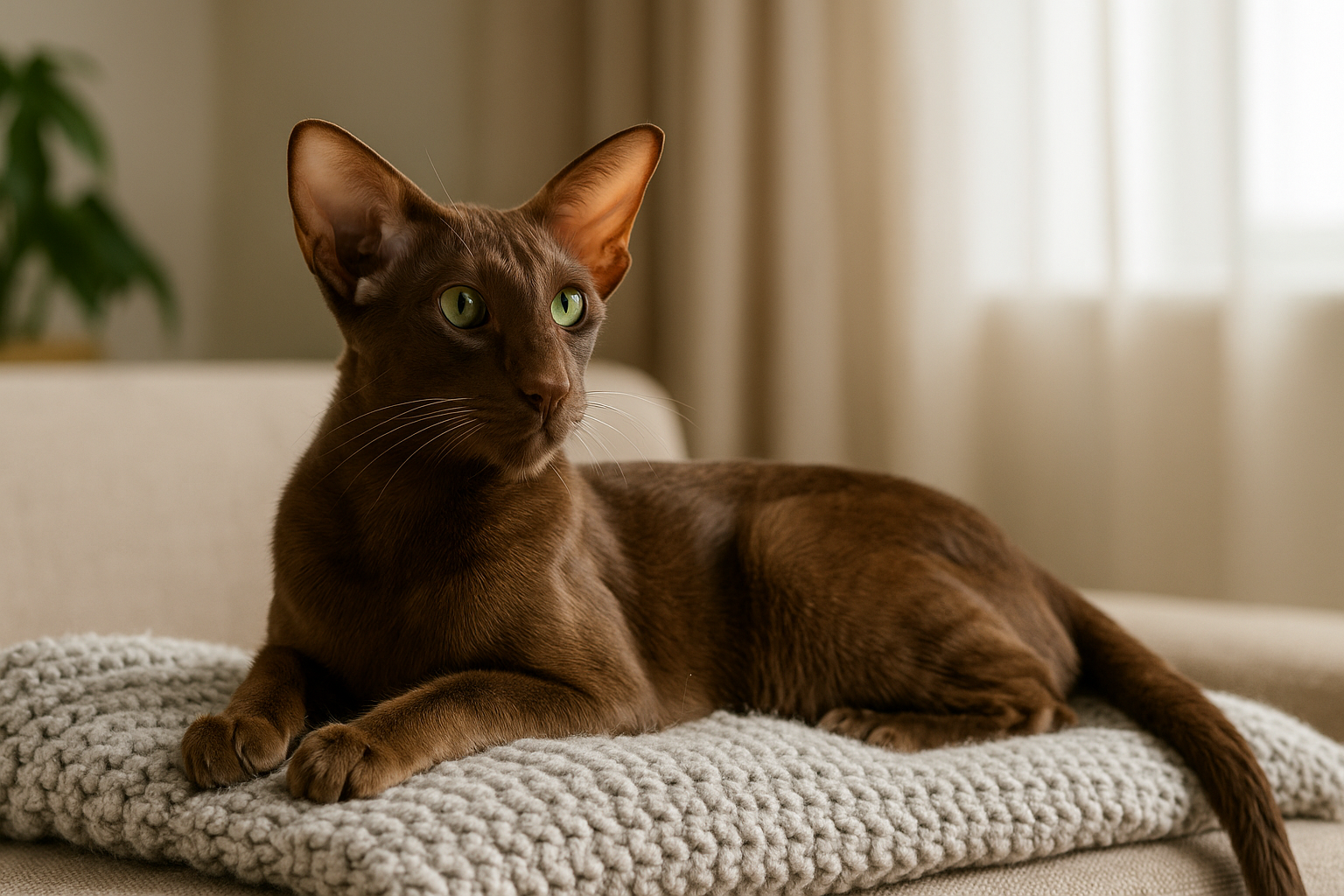
Elegant, talkative, and full of personality, the Oriental Shorthair is known for its sleek appearance and expressive nature. Along with its striking look comes a fine, close-lying coat that typically produces very little day-to-day shedding, making it easier to keep surfaces clear compared to many heavier-coated breeds.
Their coat stays smooth and close to the body, requiring only occasional brushing to keep it looking its best. Many owners find that grooming is quick and simple, with very little day-to-day maintenance needed.
Oriental Shorthairs are intelligent, curious, and full of personality. They thrive on interaction, enjoy exploring their surroundings, and are often quite talkative, making them lively companions for homes that enjoy an energetic and social cat.
If you prefer a cat with a sleek appearance and easy-care coat, the Oriental Shorthair fits beautifully into low-maintenance households. Their lightweight fur and minimal grooming needs make them a practical choice for anyone who wants less cleanup without sacrificing personality.
Russian Blue
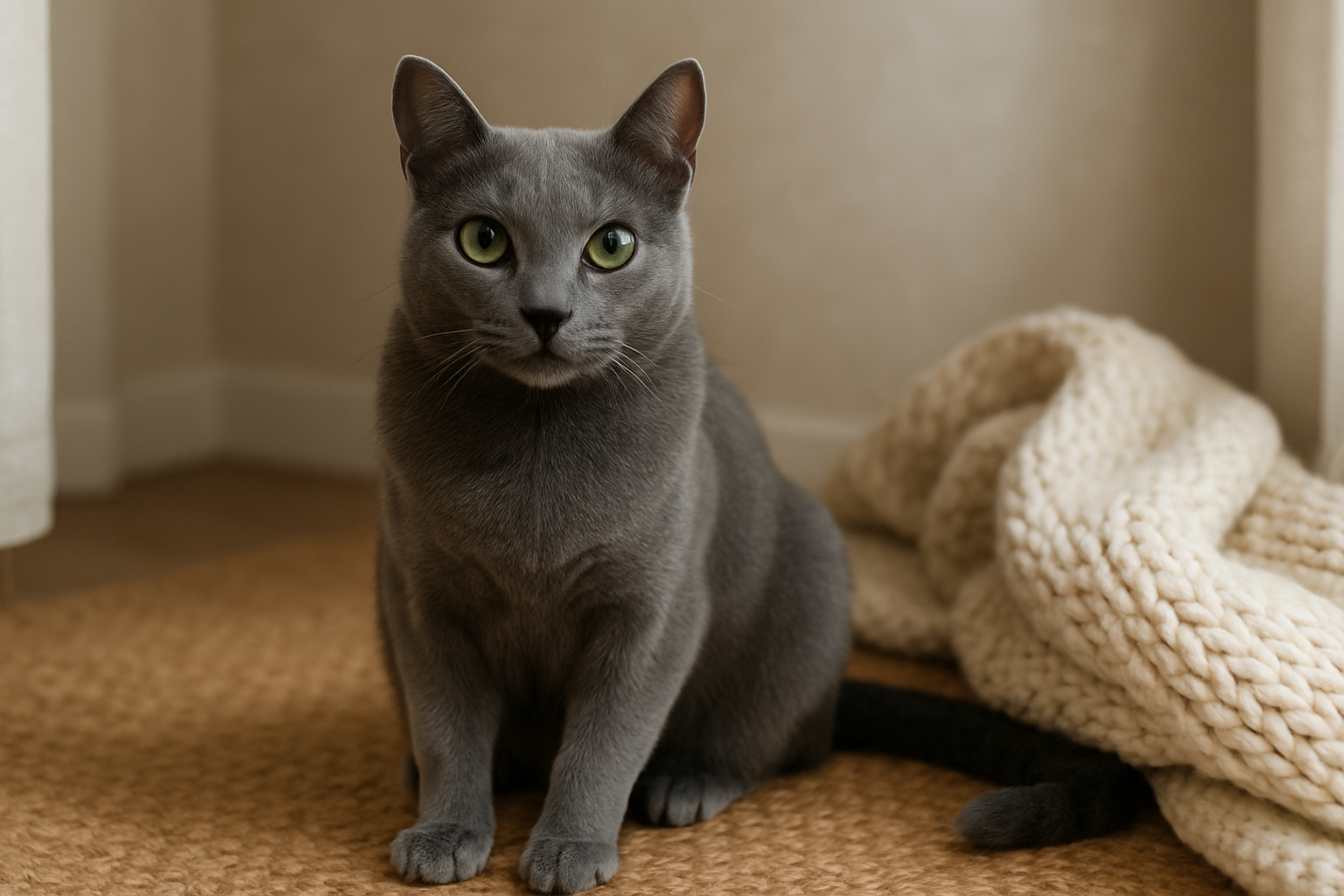
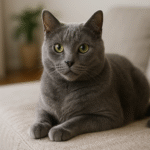
The Russian Blue has a dense, plush coat that surprisingly sheds very little. Although the fur appears thick, the tightly packed double coat tends to hold shed hairs close to the body rather than letting them scatter easily onto surfaces.
Most shedding occurs during seasonal coat changes and can be easily managed with light brushing. Outside of those periods, Russian Blues are known for maintaining a tidy coat that doesn’t leave much fur behind.
This breed is gentle, intelligent, and often forms deep bonds with its family. Russian Blues tend to be calm and observant, making them a great fit for quieter households or homes that prefer a relaxed companion.
If you love the look of a plush, velvety coat without constant upkeep, the Russian Blue is an appealing choice. Their dense fur tends to stay neat and manageable with light grooming, making them especially well suited to calm homes that prefer a cleaner, lower-maintenance companion.
Bombay
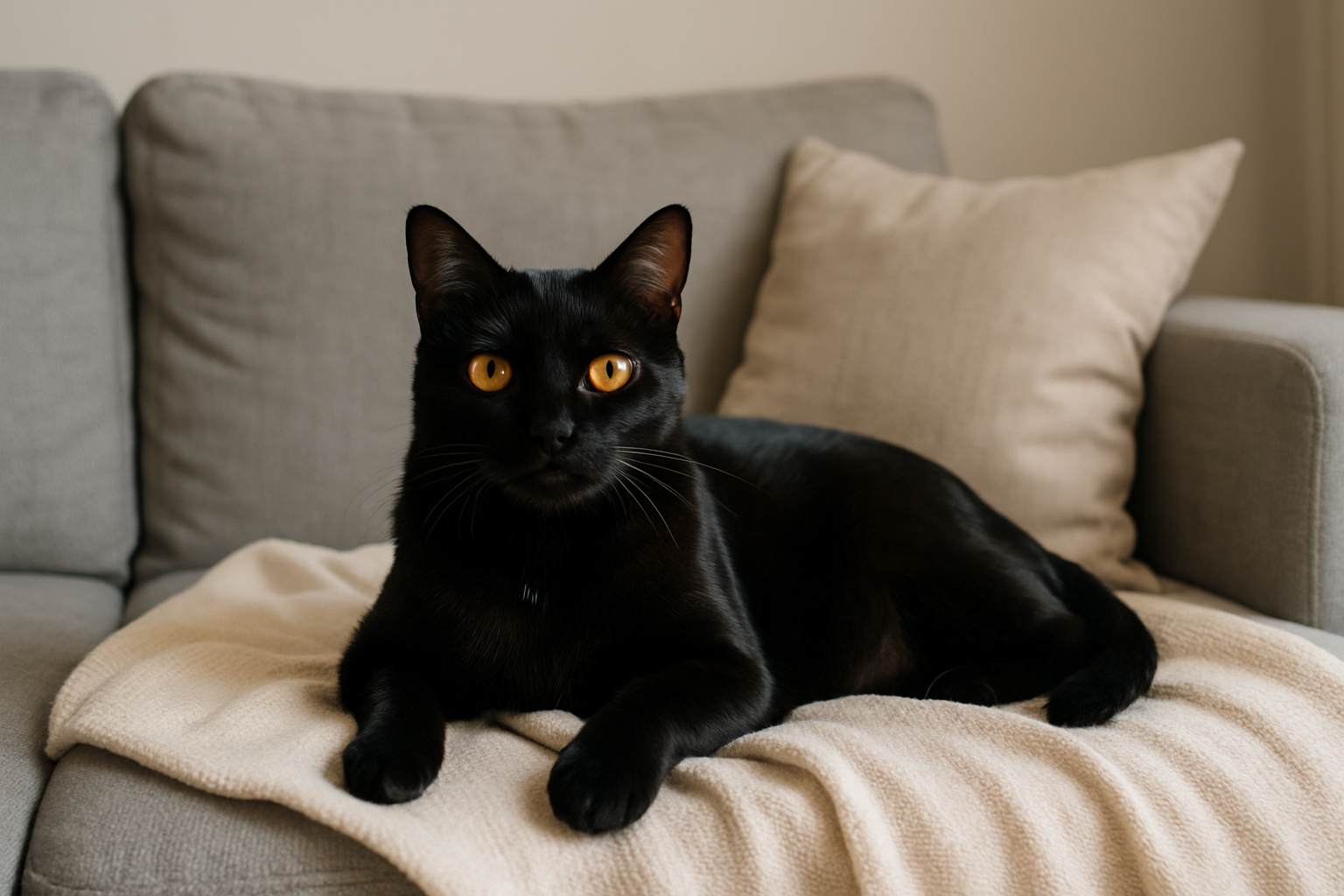
The Bombay’s sleek black coat is as easy to maintain as it is eye-catching. Their short, close-lying fur produces very little day-to-day shedding, making upkeep simple compared to many thicker-coated breeds.
Occasional gentle brushing helps maintain the coat’s glossy finish and removes shed hairs before they settle on surfaces. Most owners find that grooming is quick and that maintaining a tidy space requires far less effort than with heavier-shedding cats.
Bombays are affectionate, people-oriented companions that love being near their families. Often described as “velcro cats,” they thrive on attention and interaction while still being easy to care for.
If you’re drawn to a sleek, polished look with minimal grooming demands, the Bombay is a wonderful fit. Their smooth coat stays neat with little effort, and their affectionate personality makes them an engaging companion for households that want both style and simplicity.
Singapura

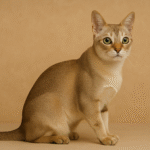
Small in size but full of personality, the Singapura is known for its neat, easy-care coat. Their short, fine fur sits close to the body and typically requires very little maintenance, making them one of the tidier breeds to live with.
Because the coat is so lightweight, grooming is simple. An occasional quick brush is usually enough to keep it smooth and healthy, with very little day-to-day upkeep needed.
Singapura cats are playful, curious, and affectionate without being overly demanding. Their compact size and gentle nature make them especially appealing for apartments or homes that prefer a smaller, low-maintenance companion.
For households that want an affectionate cat without the extra grooming workload, the Singapura fits beautifully into everyday life. Their manageable coat and adaptable personality make them easy to care for in both small and larger living spaces.
LaPerm
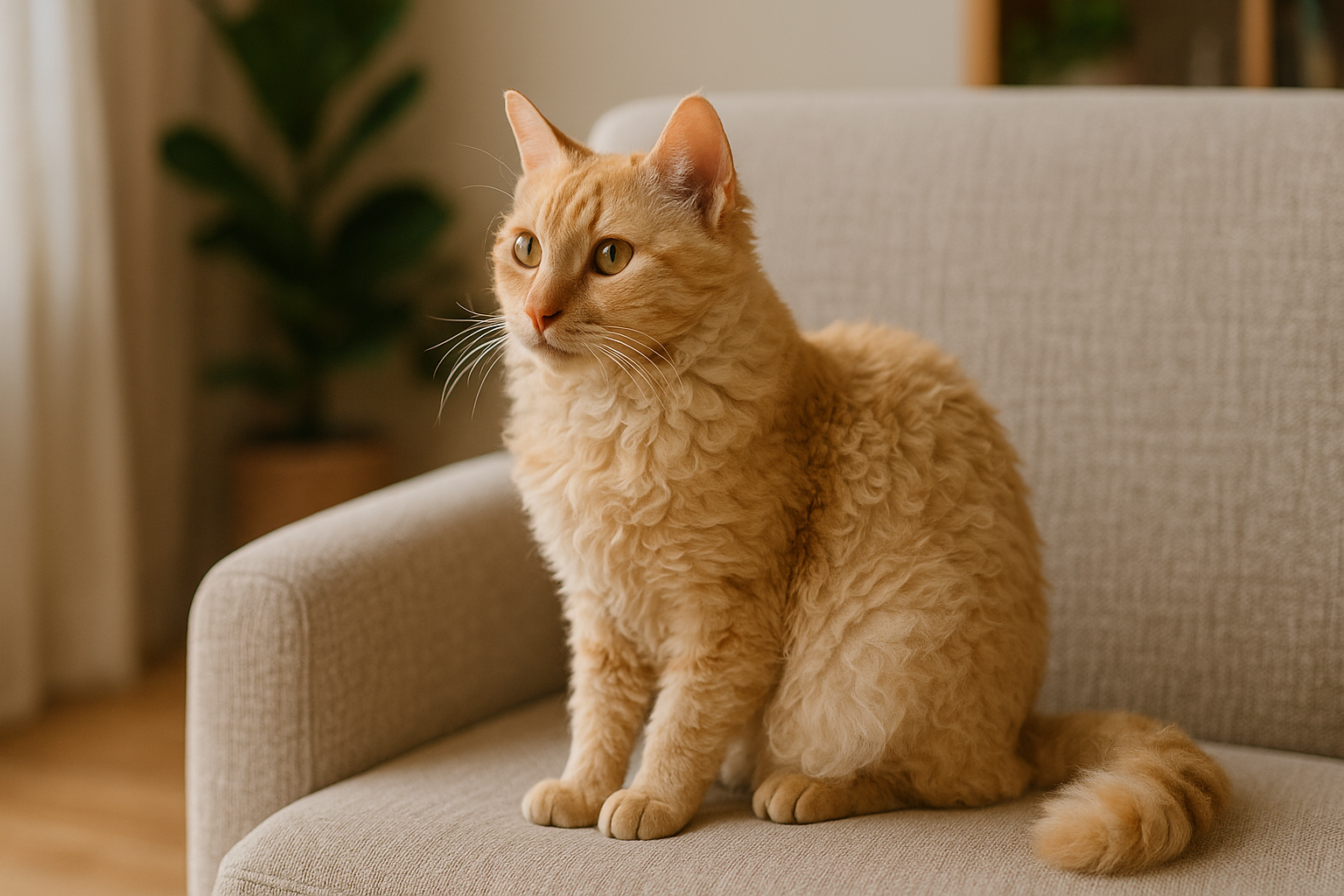
The LaPerm stands out for its soft, curly coat, which gives the breed a relaxed, slightly tousled look. Those loose curls also make grooming surprisingly simple, as the coat tends to stay neat with minimal effort.
Both short-haired and long-haired LaPerms are considered easy to maintain. Occasional brushing is usually enough to keep the coat healthy and comfortable, with little day-to-day upkeep required.
LaPerms are friendly, gentle cats that enjoy human companionship without being overly demanding. They adapt easily to different households and are known for their calm, easygoing nature.
If you enjoy a distinctive curly coat but prefer low-maintenance grooming, the LaPerm is an appealing choice. Their relaxed coat care needs and adaptable personality make them a comfortable fit for a wide range of homes.
Javanese
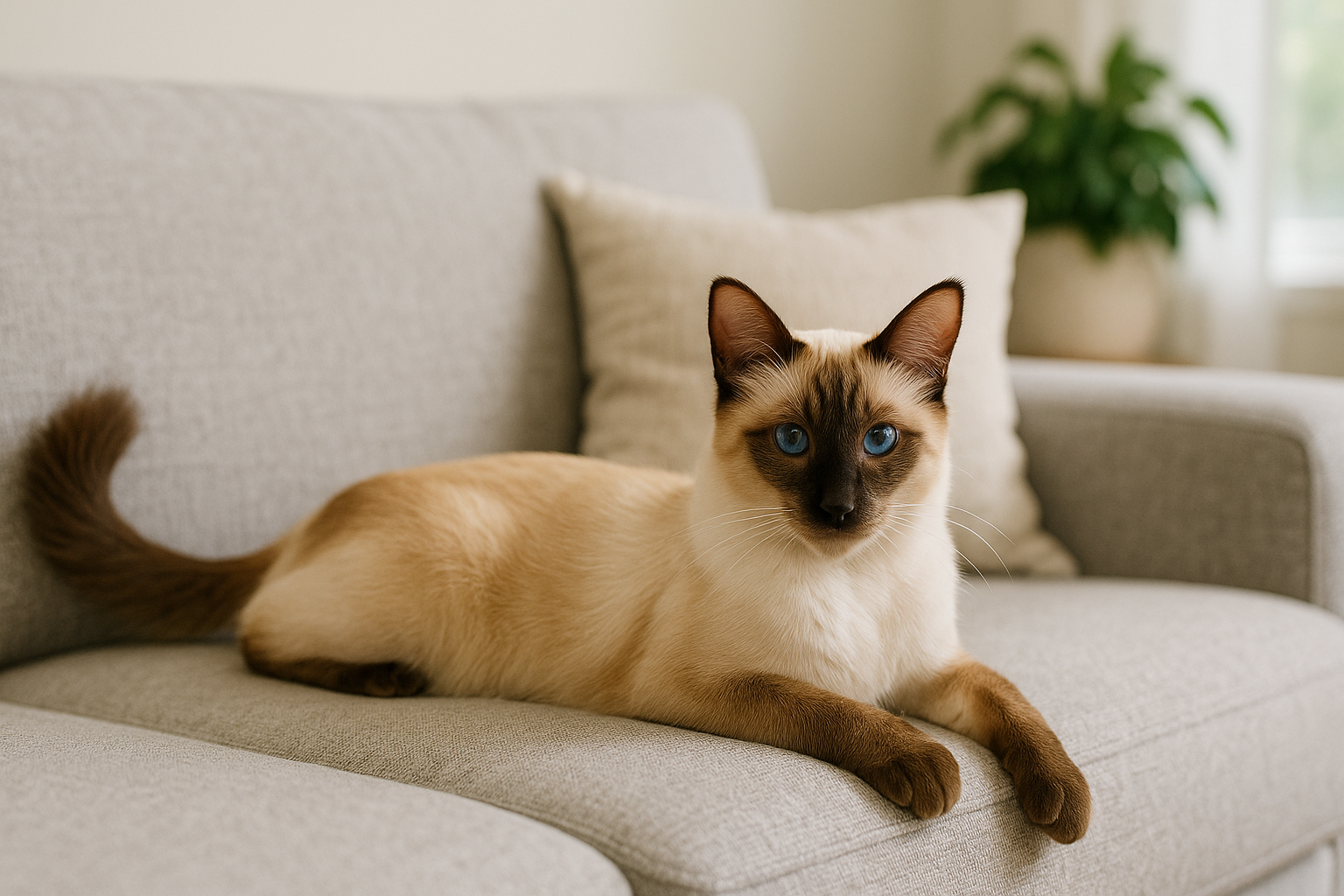
The Javanese offers the look of a long, silky coat without the heavy grooming demands that often come with fluffier breeds. Because they lack a dense undercoat, their fur tends to stay light, smooth, and easy to maintain.
Occasional brushing is usually enough to keep the coat looking its best. Many owners find that upkeep is simple and that the coat stays relatively neat without much daily effort.
Javanese cats are intelligent, affectionate, and highly social. They enjoy interaction and often form strong bonds with their families, thriving in homes where they receive regular attention and companionship.
For those who want a graceful, longer-coated cat without constant grooming, the Javanese is an excellent option. Their silky coat and engaging personality make them a comfortable fit for households that want elegance without extra maintenance.
Peterbald
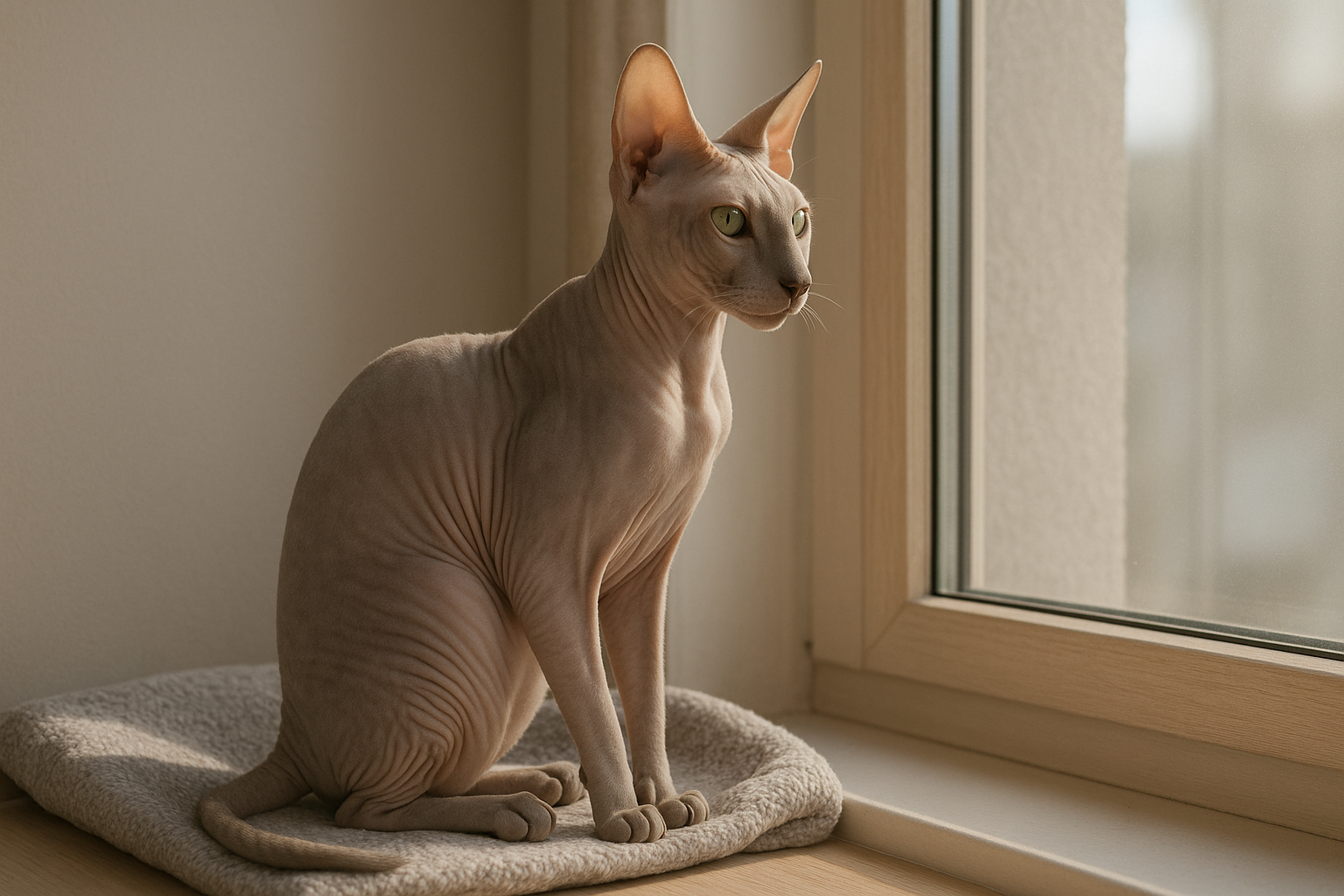
The Peterbald can range from completely hairless to having a soft, peach-fuzz coat. In both cases, shedding is typically minimal, making this breed appealing for households that prefer a cleaner, low-maintenance environment.
Like other hairless or nearly hairless cats, Peterbalds do require regular skin care. Gentle bathing and routine cleaning help manage natural oils and keep their skin comfortable and healthy.
Peterbalds are affectionate, intelligent, and highly social. They tend to form close bonds with their families and enjoy being involved in daily activities, often staying nearby and seeking interaction throughout the day.
If you’re looking for an elegant, low-maintenance companion with minimal coat care, the Peterbald is an excellent choice. Their refined appearance and simple grooming needs make them especially appealing for homes that want companionship without extra cleanup.
Fluffy Cats That Don’t Shed Much
Some long-haired cats are far easier to maintain than their full coats suggest. While no fluffy breed is completely maintenance-free, certain cats naturally require less grooming and daily upkeep than many people expect.
The Siberian and Balinese are two well-known examples. Their softer, silkier coats are typically simpler to care for with routine brushing, making them appealing choices for anyone who loves the look of a plush-coated cat.
If you want the elegance of a fluffy companion without high-maintenance grooming, choosing the right breed can make all the difference. With consistent basic care, many long-haired cats can be both beautiful and surprisingly easy to live with.
Do Low-Shedding Cats Help With Allergies?
Low-shedding cats can sometimes be easier to live with for people who have mild cat allergies, but they are not completely hypoallergenic. Most cat allergies are triggered by a protein called Fel d 1, which is found in a cat’s saliva, skin, and dander rather than the fur itself.
Because cats that shed less tend to release fewer allergens on hair and dander, some people find certain breeds more tolerable than others. Reactions can vary widely from person to person, though, and no breed is guaranteed to be allergy-friendly.
No cat is truly hypoallergenic, but some low-shedding breeds are often easier for sensitive owners to live with. If allergies are a concern, spending time around a specific breed before adopting is the best way to see how you’ll respond. Regular grooming, cleaning, and good air circulation can also help reduce allergens indoors.
How to Reduce Cat Shedding Even More
Even low-shedding cats benefit from a few simple habits that keep coats healthy and easy to maintain. Small routine changes can make a noticeable difference in how much hair you see day to day.
Regular brushing helps remove shed hairs before they build up on surfaces. Feeding a balanced, high-quality diet supports healthy skin and coat condition, while a calm, comfortable environment can help prevent stress-related shedding. These basic steps keep grooming manageable and coats looking their best.
With consistent care and good nutrition, most low-shedding cats remain easy to maintain. A simple grooming routine and a healthy lifestyle can go a long way toward keeping both your cat and your home looking their best.
Frequently Asked Questions About Low Shedding Cats
Are there cats that don’t shed at all?
No cat is completely non-shedding. All cats with fur shed to some degree, but some breeds produce far less hair and are easier to maintain than others.
Which cat breed sheds the least?
Hairless and curly-coated breeds typically shed the least. The Sphynx, Cornish Rex, Devon Rex, and Peterbald are often considered among the lowest-shedding options, while breeds like the Bengal and Russian Blue are also relatively easy to maintain.
Do low shedding cats help with allergies?
They can sometimes be easier to live with, but no cat is truly hypoallergenic. Most cat allergies are triggered by proteins in saliva and skin rather than the fur itself, and reactions vary from person to person.
How can I reduce cat shedding even more?
Regular brushing, a balanced diet, and a calm environment all support a healthy coat. Simple grooming routines and proper nutrition can help keep shedding manageable for most cats.
Choosing the Right Low-Shedding Cat for Your Home
If shedding is a top concern, choosing the right breed can make everyday life more comfortable. Some cats naturally require less coat maintenance, while others simply fit better with certain lifestyles and living spaces.
When deciding, consider more than just coat type. Personality, energy level, and grooming needs all play a role in finding a cat that truly suits your home. A breed that matches your routine and environment will always be the easiest to live with.
The best low-shedding cats offer both easy-care coats and personalities that fit naturally into your daily life. With the right match, you can enjoy companionship, playfulness, and affection without turning grooming into a constant chore — making life with a cat both simple and rewarding.