The Balinese cat is essentially a Siamese with a longer, silkier coat, along with all the personality that comes with that. They’re vocal, affectionate, and deeply invested in their people in a way that can feel more like a dog than a cat. If you want a cat that actually engages with you, the Balinese tends to deliver that in abundance.
They’re also not the right fit for everyone. Balinese cats are talkative, social, and don’t do well being left alone for long stretches. They need company, stimulation, and an owner who appreciates a cat with opinions. For the right household, they’re exceptional. For someone wanting a quiet, independent cat, they’re probably not the one.
Here’s what it’s actually like to live with a Balinese cat, from personality and daily habits to grooming, health, and whether they’re the right fit for your home.
Quick Breed Facts
- Origin: United States (from Siamese lines)
- Breed registries: CFA, TICA, GCCF
- Weight range: 6–11 lbs
- Lifespan: 12–20 years
- Coat: Fine, silky, medium-length
- Colors and patterns: Pointed — seal, blue, chocolate, lilac, and more
- Eye color: Deep sapphire blue
- Grooming: Low maintenance
- Activity level: High
- Affection level: Very high
- Vocality: High
- Good with children: Yes
- Good with other pets: Yes, with proper introductions
History & Origin of the Balinese Cat
The Balinese cat didn’t come from Bali — the name was chosen because their graceful, fluid movements reminded early breeders of Balinese dancers. The breed actually originated in the United States in the 1940s and 1950s, when long-haired kittens began appearing occasionally in Siamese litters. Rather than treating them as undesirable variations, breeders like Marion Dorsey and Helen Smith recognized the potential and began selectively breeding for the silky, longer coat.
Over time two distinct lines developed. The traditional type has a rounder face and sturdier build, while the modern type has the more angular, wedge-shaped head associated with contemporary Siamese. Most registered Balinese cats today come from the modern lineage. The breed is recognized by CFA, TICA, and GCCF, and has built a devoted following among owners who want the personality of a Siamese with a coat that’s a little more dramatic.
Balinese Cat Personality & Temperament
The Balinese is one of the more people-focused cat breeds you’ll find. They follow their humans from room to room, offer running commentary on household activities, and greet you at the door in a way that feels genuinely enthusiastic rather than trained. They form strong attachments to their people and tend to pick a favorite while remaining affectionate with the whole household.
They’re also highly intelligent and quick to learn. Balinese cats can be taught tricks, respond well to clicker training, and will figure out how to communicate what they want with impressive efficiency. The flip side is that they don’t cope well with boredom or isolation. A Balinese left alone for long hours without stimulation or company will let you know about it — loudly and at length.
Balinese Cat Appearance
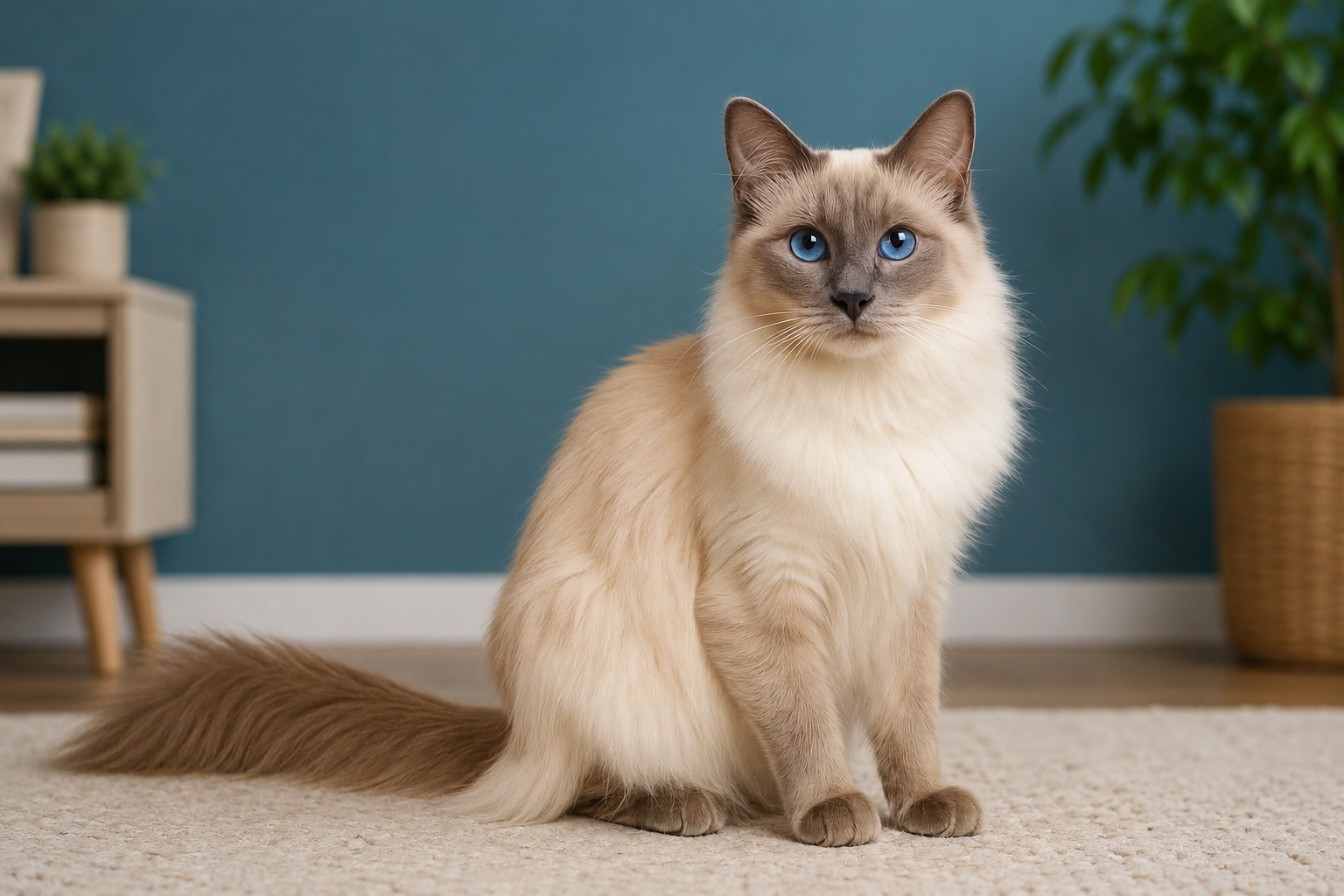
The Balinese has the lean, muscular build and wedge-shaped head of the Siamese, with the addition of a fine, silky medium-length coat that lies close to the body rather than standing out. Their most striking feature is the deep sapphire blue eyes that are consistent across the breed regardless of point color. The tail is long and plumed, often described as feathered, and moves with the same fluid grace as the rest of the cat.
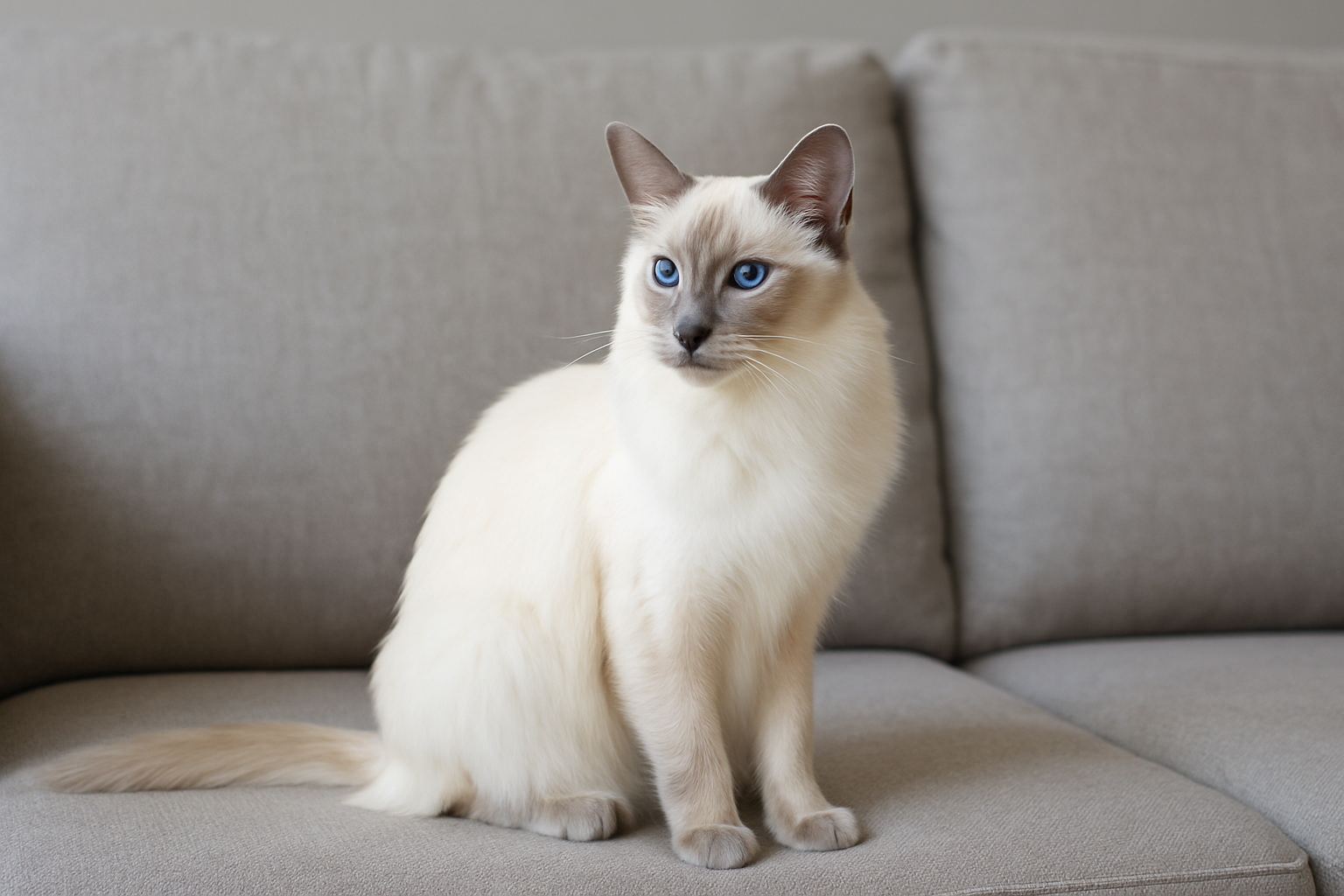
Point colors follow the same range as the Siamese — seal, chocolate, blue, and lilac are the four traditional colors recognized by CFA, with additional colors accepted by TICA. The lilac point Balinese is particularly sought after for its delicate silvery coat and frosty gray points. Despite the medium-length coat, the Balinese has a single layer with no dense undercoat, which is part of why grooming is simpler than the coat length might suggest.
Balinese Cat Grooming & Shedding
The Balinese is one of the more misleading breeds when it comes to grooming expectations. That silky, medium-length coat looks like it should require significant upkeep, but because there’s no undercoat it sheds lightly and doesn’t mat. A quick brush once a week is usually enough to keep things looking neat and remove any loose hair. They’re genuinely low-maintenance in the grooming department despite how elegant they look.
Beyond coat care, keep up with the basics: nail trims every couple of weeks, regular ear checks, and dental care. Balinese cats can be particular about litter box cleanliness, and because they’re sensitive to strong scents, unscented litter tends to work better for this breed.
Activity & Play
Balinese cats are high-energy and stay playful well into adulthood. They enjoy climbing, chasing, and any game that involves their people. Puzzle feeders, feather wands, and interactive toys are all good fits, and many Balinese cats can be taught to play fetch or respond to clicker training, which adds an extra layer of mental stimulation beyond standard play.
Vertical space matters for this breed. They like to be up high and will use a cat tree consistently if one is available. If you’re away from home for long hours, a companion animal helps significantly — Balinese cats don’t thrive in isolation and a second cat gives them an outlet for their social energy when you’re not available.

What Do Balinese Cats Eat?
Balinese cats do well on a high-protein, meat-based diet with animal protein listed as the first ingredient. Their lean, active build means they burn energy efficiently, but portion control is still important — particularly as they age and activity levels naturally decrease. A mix of wet and dry food works well for most Balinese cats: wet food supports hydration and provides the animal protein they need, while dry food adds some dental benefit.
Fresh water should always be available. Because they’re a vocal, active breed with a lean frame, keeping them at a healthy weight through diet and consistent exercise is one of the more important things you can do for their long-term health, especially given their susceptibility to amyloidosis.
Balinese Cat Health & Lifespan
The Balinese cat has an impressive lifespan of 12 to 20 years, with many reaching their late teens in good health. They’re generally a robust breed, but their Siamese ancestry brings a few hereditary conditions worth being aware of. Progressive retinal atrophy (PRA) is a genetic eye condition that can lead to vision loss, and responsible breeders screen for it. Amyloidosis, a condition where abnormal protein deposits affect organ function, has also been documented in the breed and is linked to their Siamese lineage.
Crossed eyes, once common in Siamese and Balinese cats, are much less prevalent in modern lines due to selective breeding. Regular vet checkups, dental care, and asking breeders about health screening for PRA are the best practical steps for keeping a Balinese healthy long term.
Are Balinese Cats Hypoallergenic?
The Balinese is one of the few breeds where the hypoallergenic claim has some genuine basis. They’re believed to produce lower levels of the Fel d 1 protein — the primary allergen that triggers most cat allergies — compared to many other breeds. Their low-shedding coat also means less airborne dander in the environment. Many allergy sufferers report tolerating Balinese cats significantly better than other breeds, which has made them a popular choice for cat lovers who previously thought allergies ruled out cat ownership.
That said, no cat is completely allergen-free. If you have cat allergies, spending time with a Balinese before committing is the only reliable way to know how you’ll react.
Family Compatibility
Balinese cats do well in active, social households where there’s consistent human presence. They’re gentle with children who interact with them respectfully, get along with other cats, and can adapt to homes with cat-friendly dogs. Their affectionate, engaged nature makes them particularly good companions for families, seniors who are home regularly, and anyone who wants a cat that actively participates in household life rather than just occupying space in it.
They’re not the best fit for households where they’ll be left alone for long periods without company. If your lifestyle involves frequent travel or long work hours without a plan for their social needs, a more independent breed is probably a better match.
Recommended Supplies for a Balinese Cat
Balinese cats need an environment that supports their social nature and high activity level. The basics matter, but enrichment and companionship are what keep this breed genuinely content.
- Tall, multi-level cat tree for climbing and perching
- Interactive toys including puzzle feeders and feather wands
- Wide, shallow food and water bowls to avoid whisker fatigue
- Unscented, consistently clean litter box
- Fine-tooth comb or grooming mitt for weekly coat care
- Cozy, warm bed — they love warmth

Balinese Cat Price and Cost
From a reputable breeder, Balinese kittens typically cost between $1,000 and $2,500. Price varies depending on pedigree, breeder reputation, coat color, and whether the cat is show or pet quality. Rarer point colors like lilac tend to sit at the higher end of that range. The price reflects the health screening and careful breeding that goes into producing a well-socialized, healthy Balinese kitten.
Adoption is worth considering. Siamese and Oriental breed-specific rescues occasionally have Balinese cats available, and adoption fees are significantly lower than breeder prices. If you’re open to an adult cat, it’s a genuinely rewarding option.
Balinese Cat FAQs
Are Balinese cats hypoallergenic?
They’re considered one of the more allergy-friendly breeds. Balinese cats produce lower levels of the Fel d 1 protein and shed minimally, which many allergy sufferers find significantly more tolerable than other breeds. No cat is completely allergen-free, so spending time with one before adopting is always recommended.
How much do Balinese cats cost?
Pet-quality Balinese kittens from a reputable breeder typically cost between $1,000 and $2,500. Rare colors like lilac point and show-quality cats can cost more. Adoption through a Siamese or Oriental rescue is a more affordable option.
How long do Balinese cats live?
Balinese cats typically live 12 to 20 years, making them one of the longer-lived domestic cat breeds. Many reach their late teens with proper care, regular vet visits, and a quality diet.
Do Balinese cats shed a lot?
No. Despite their medium-length coat, Balinese cats have a single-layer coat with no dense undercoat, which means they shed very lightly. Weekly brushing is usually all the maintenance they need.
Are Balinese cats good with kids and other pets?
Yes. Balinese cats are affectionate, social, and adaptable, which makes them a good fit for families with children and other pets. They do best with respectful handling and benefit from having another animal for company if their owners are away during the day.
What is the difference between a Balinese and a Siamese cat?
The primary difference is the coat. Siamese cats have a short, close-lying coat while Balinese cats have a medium-length, silky coat with a plumed tail. Personality and body type are very similar between the two breeds, as the Balinese developed directly from Siamese lines.
Is the Balinese Cat Right for You?
If you want a vocal, affectionate, and genuinely engaged cat that treats your home like a shared living space rather than just a place to sleep, the Balinese is hard to beat. They’re best suited to households where someone is home regularly, where their social needs can be met, and where a talkative cat is a feature rather than a drawback.
The honest caveat is that they need more interaction than most breeds. If you can meet that need — and appreciate a cat with something to say about everything — the Balinese will be one of the most rewarding companions you’ve ever lived with.
Debbie Reid is the founder and chief editor of CatPedia.net, with over 25 years of hands-on experience in feline care, rescue, and behavior research. Inspired by her rescue cats Snickers and Bigboy, she collaborates with animal welfare resources and consults veterinary literature to turn complex feline health, nutrition, and behavior topics into clear, actionable guides.