Bengal cats are one of those breeds that genuinely stops people in their tracks. That leopard-like coat, the athletic build, and the way they move through a room like they own it. They’re striking, intelligent, and more affectionate than most people expect.
They’re also a lot of cat. Bengals need real engagement, space to move, and an owner who understands that “low maintenance” is not a phrase that applies to this breed. Get that right and they’re exceptional companions. Underestimate their needs and you’ll have a vocal, restless, occasionally destructive cat on your hands.
Here’s what it’s actually like to live with a Bengal cat, from personality and daily habits to grooming, health, cost, and whether they’re the right fit for your home.
Quick Breed Facts
- Origin: United States
- Breed registries: TICA, CFA, FIFe
- Weight range: 8–15+ lbs
- Lifespan: 12–16 years
- Coat: Short, soft, dense with a glitter-like sheen
- Colors and patterns: Spotted, marbled; brown, silver, snow, charcoal, blue, black
- Eye color: Green, gold, hazel, blue (in Snow Bengals)
- Grooming: Low maintenance
- Activity level: Very high
- Affection level: High
- Vocality: Moderate to high
- Good with children: Yes, with older children
- Good with other pets: Usually, with proper socialization
History & Origin of the Bengal Cat
The Bengal cat was first developed in the 1970s by American breeder Jean Mill, who crossed a domestic cat with the Asian leopard cat, a small wild feline native to South and East Asia. Her goal was to create a cat with the striking appearance of a jungle cat and the temperament of a loving domestic companion. It took generations of selective breeding to achieve that balance, and modern Bengals have no recent wild bloodlines — they’re fully domestic cats that simply look like they don’t belong indoors.
TICA recognized the Bengal breed in 1983, and it has grown steadily in popularity ever since. Today the Bengal is one of the most recognizable and sought-after breeds in the world, partly for its coat and partly for a personality that tends to make a strong impression on everyone who encounters one.
Bengal Cat Personality & Temperament
Bengals are highly intelligent, curious, and bold. They form strong bonds with their people and tend to follow them from room to room, keeping tabs on everything happening in the household. They’re not typically lap cats in the traditional sense, but they are genuinely affectionate and engaged — they want to be near you and involved in what you’re doing, even if sitting still isn’t really their style.
They’re also vocal. Bengals will let you know when they’re bored, hungry, or want attention, and they have a wider range of sounds than most domestic breeds. That communication is part of their charm for the right owner, but it can be a lot for someone expecting a quieter cat. Their intelligence means they pick up routines quickly, learn tricks easily, and will absolutely figure out how to open cabinets if they’re motivated enough.
Bengal Cat Coat Colors & Patterns
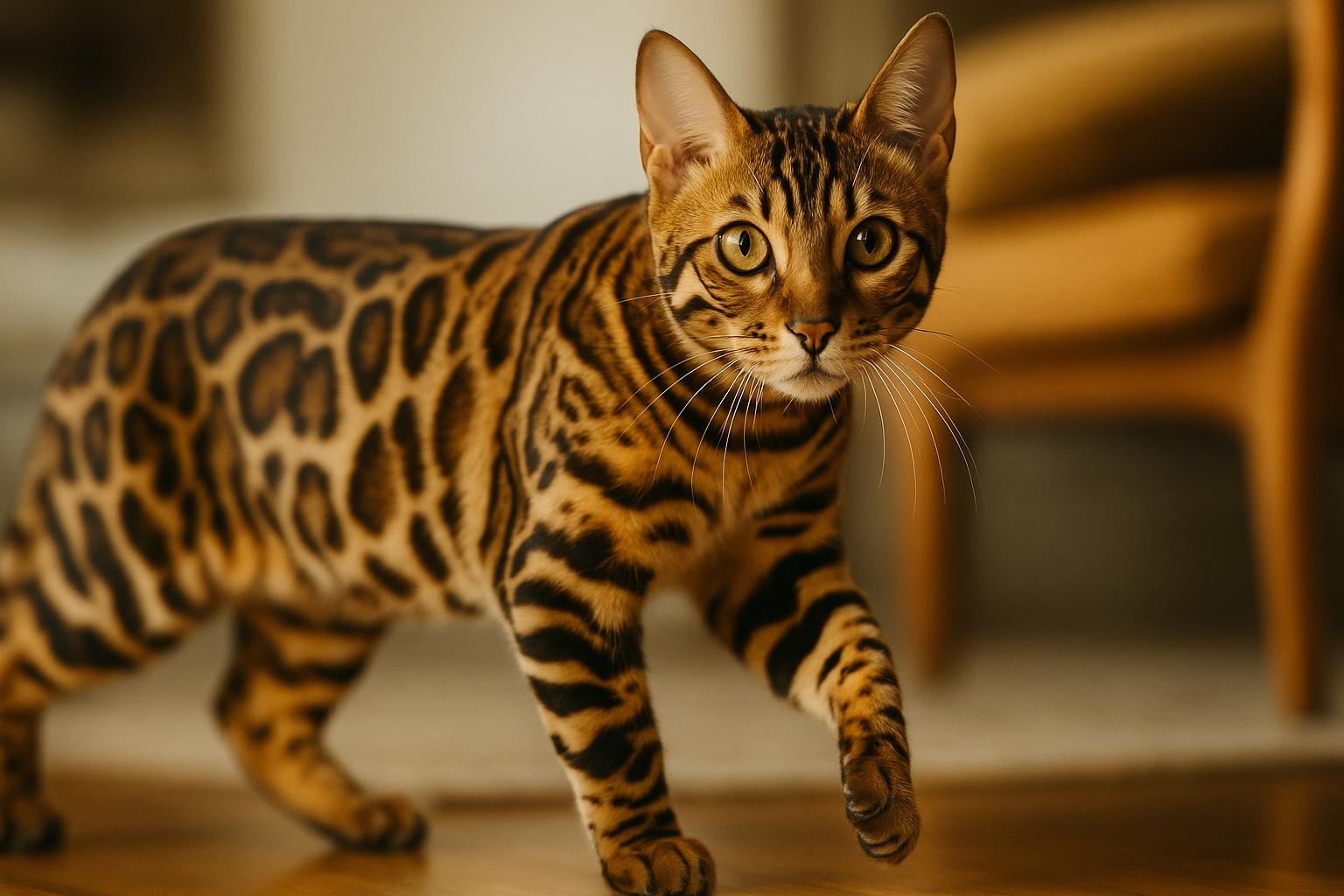
The Bengal’s most iconic look is the brown spotted tabby, but the breed comes in a wide range of colors and pattern variations. One of the most distinctive features of the Bengal coat is its glitter — a light-reflecting quality that gives the fur an almost iridescent sheen in natural light, unlike anything seen in other domestic breeds.
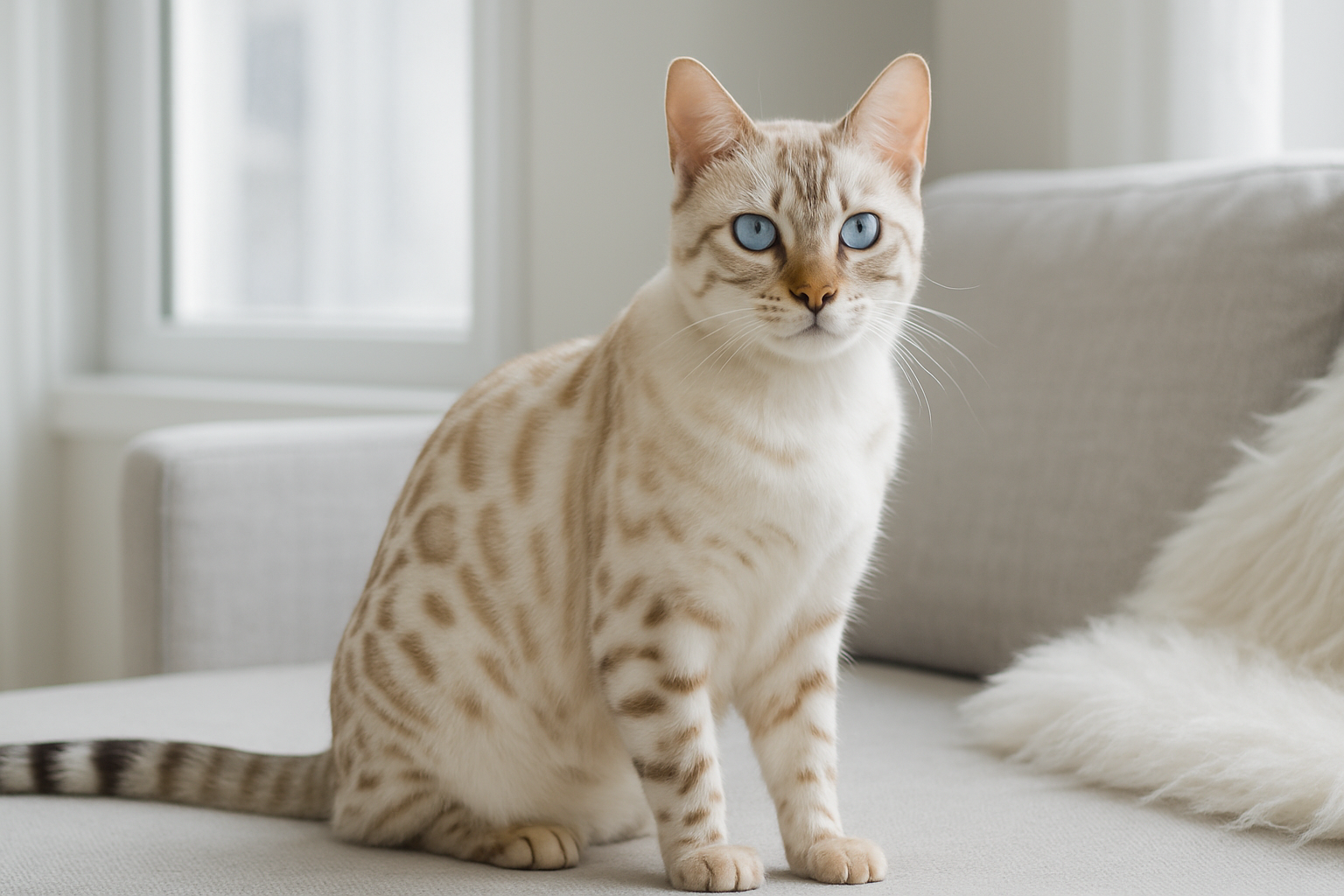
Common Bengal coat variations include the Snow Bengal, which has a creamy base coat with subtle to dramatic markings and striking blue eyes. The Silver Bengal has black markings on a cool silver-white background for a high-contrast, graphic look. The Marble Bengal features swirling horizontal patterns rather than spots, creating a bold, painterly effect. Charcoal, blue, and black Bengals also exist and are increasingly popular, though not all variations are accepted by every registry.
Bengal Cat Grooming & Shedding
Despite their exotic appearance, Bengals are genuinely low-maintenance when it comes to grooming. Their short, dense coat sheds minimally and doesn’t mat. A quick brush once a week is usually enough to remove loose hair and keep the coat looking its best. Many Bengal owners skip brushing altogether for weeks at a time without any issues.
Beyond coat care, the usual basics apply: nail trims every couple of weeks, regular ear checks, and dental care. Their grooming routine is one of the few things about this breed that qualifies as straightforward.
Activity & Play
Bengals are one of the most active domestic cat breeds in existence. They run, jump, climb, and investigate constantly, and they need an environment that can keep up with them. A tall cat tree is a starting point, not the whole solution — Bengals benefit from daily interactive play sessions, puzzle feeders, and ideally a setup that gives them vertical space to navigate throughout the day.
Many Bengal owners also leash train their cats for supervised outdoor time, which adds stimulation without the risks of free roaming. Some Bengals are fascinated by water and will play in sinks or join their owners near the shower, which is unusual for domestic cats and traces back to their Asian leopard cat ancestry. A bored Bengal is a destructive Bengal, so consistent engagement isn’t optional with this breed.

What Do Bengal Cats Eat?
Bengal cats do best on a high-protein, meat-based diet with animal protein listed as the first ingredient. Their athletic build and very high activity level mean they need quality nutrition to maintain muscle and energy. A mix of wet and dry food works well for most Bengals: wet food supports hydration and provides the animal protein they need, while dry food can offer some dental benefit and convenience.
Portion control matters more than with lower-energy breeds. Bengals that are well-fed but under-stimulated can gain weight, which puts strain on their joints and cardiovascular system over time. Fresh water should always be available, and a water fountain works especially well for a breed that tends to be drawn to moving water.
Bengal Cat Health & Lifespan
Bengal cats typically live between 12 and 16 years, which is on the longer end for domestic cats. They’re generally a healthy breed, but there are a few conditions worth being aware of. Hypertrophic cardiomyopathy (HCM) is the most significant — it’s a form of heart disease that causes thickening of the heart walls and can develop without obvious symptoms. Regular cardiac screening is recommended, especially for cats used in breeding programs.
Progressive retinal atrophy (PRA) is another hereditary condition that can appear in Bengals, potentially leading to vision loss over time. Responsible breeders screen for both conditions. Beyond those breed-specific concerns, routine vet care, a quality diet, and keeping them active are the best foundations for a long, healthy life.
Are Bengal Cats Hypoallergenic?
Bengals aren’t officially hypoallergenic, but many allergy sufferers report fewer symptoms around them compared to other breeds. Their short, low-shedding coat produces less airborne dander than many longhaired breeds, which may contribute to that experience. That said, all cats produce the Fel d 1 protein that triggers most cat allergies, and the Bengal is no exception. If you’re allergic, spending time with a Bengal before committing is always a good idea.
Are Bengal Cats Legal?
In most of the United States and the world, Bengal cats are perfectly legal to own. However, some states, cities, and municipalities restrict or ban ownership of early-generation Bengals — specifically F1 through F4 cats, which are closer to their wild Asian leopard cat ancestry. Hawaii, for example, bans Bengals entirely. New York City has restrictions. Always check your local and state laws before bringing one home, as regulations vary significantly by location.
Family Compatibility
Bengals can be wonderful family pets in the right household. They tend to do best with older children who know how to interact with cats respectfully — their high energy and quick reflexes can be a bit much for very young children, and they don’t always appreciate being handled roughly. With the right kids, though, a Bengal is a genuinely fun and engaging companion that can keep up with an active family.
They can get along with other pets when introduced carefully, and their confidence means they’re less likely to be intimidated by dogs than more timid breeds. Their high prey drive does make them a poor fit for households with small animals like hamsters, birds, or fish. They’re observant and patient hunters, and no amount of socialization fully overrides that instinct.
Recommended Supplies for a Bengal Cat
Bengals need an environment built for their energy and intelligence. The basics are a starting point, but enrichment is what keeps this breed genuinely content and out of trouble.
- Tall, heavy-duty cat tree with multiple levels
- Interactive puzzle toys and feather wands
- Wide, shallow food and water bowls to avoid whisker fatigue
- Cat water fountain given their interest in moving water
- Sturdy scratching posts at different heights
- Roomy, consistently clean litter box

Bengal Cat Price and Cost
Bengal kittens from reputable breeders typically cost between $1,000 and $3,000, with price depending on coat quality, color, generation, and breeder reputation. Show-quality Bengals or rare color variations like Snow Lynx or Silver can push beyond that range. The price reflects the significant effort that goes into responsible Bengal breeding, including health screening for HCM and PRA.
Adopting from a Bengal rescue is a more affordable option and worth considering seriously. Many rehomed Bengals are adult cats from breeders or owners who underestimated the breed’s energy and needs. They typically have the same personality as younger cats and come already vaccinated and vetted. Searching for Bengal-specific rescues in your region is a good starting point.
Bengal Cat FAQs
Are Bengal cats good pets?
For the right owner, yes. Bengals are intelligent, affectionate, and genuinely engaging companions. They’re best suited to active households where someone is home regularly and can meet their need for stimulation and interaction. They’re not a good fit for owners looking for a low-key, independent cat.
Why are Bengal cats illegal in some places?
Some states and municipalities restrict early-generation Bengals (F1 through F4) due to their closer proximity to wild Asian leopard cat ancestry. Hawaii bans them entirely, and some cities have additional restrictions. Always check local laws before adopting.
How big do Bengal cats get?
Bengals typically weigh 8 to 15 pounds or more, with males running larger. Their muscular, athletic build often makes them look bigger than their weight suggests. Body length commonly reaches 16 inches or more, with the tail adding another 10 to 12 inches.
Are Bengal cats hypoallergenic?
Not officially, but many allergy sufferers find them more tolerable than other breeds. Their short, low-shedding coat produces less airborne dander, though they still produce the Fel d 1 protein that triggers most cat allergies.
How long do Bengal cats live?
Most Bengal cats live 12 to 16 years with proper care. Regular vet checkups including cardiac screening, a high-quality diet, and consistent exercise all contribute to a longer, healthier life.
Do Bengal cats like water?
Many do. It’s one of the more unusual traits of the breed — some Bengals will play in sinks, drink from running faucets, or show unusual interest in water generally. It traces back to their Asian leopard cat ancestry, which includes wild cats that live near water sources.
Is the Bengal Cat Right for You?
If you want a visually stunning, highly intelligent, and genuinely affectionate cat that treats your home like its personal adventure course, the Bengal is hard to beat. They’re best suited to active households with people who are home regularly, enjoy interacting with their cat, and have the space and patience for a high-energy breed.
The honest caveat is that they’re one of the more demanding breeds you can choose. They need stimulation, space, and consistent engagement. Get those things right and the Bengal will be one of the most rewarding cats you’ve ever lived with. Underestimate them and you’ll spend a lot of time wondering why your cat is so loud at 3am.
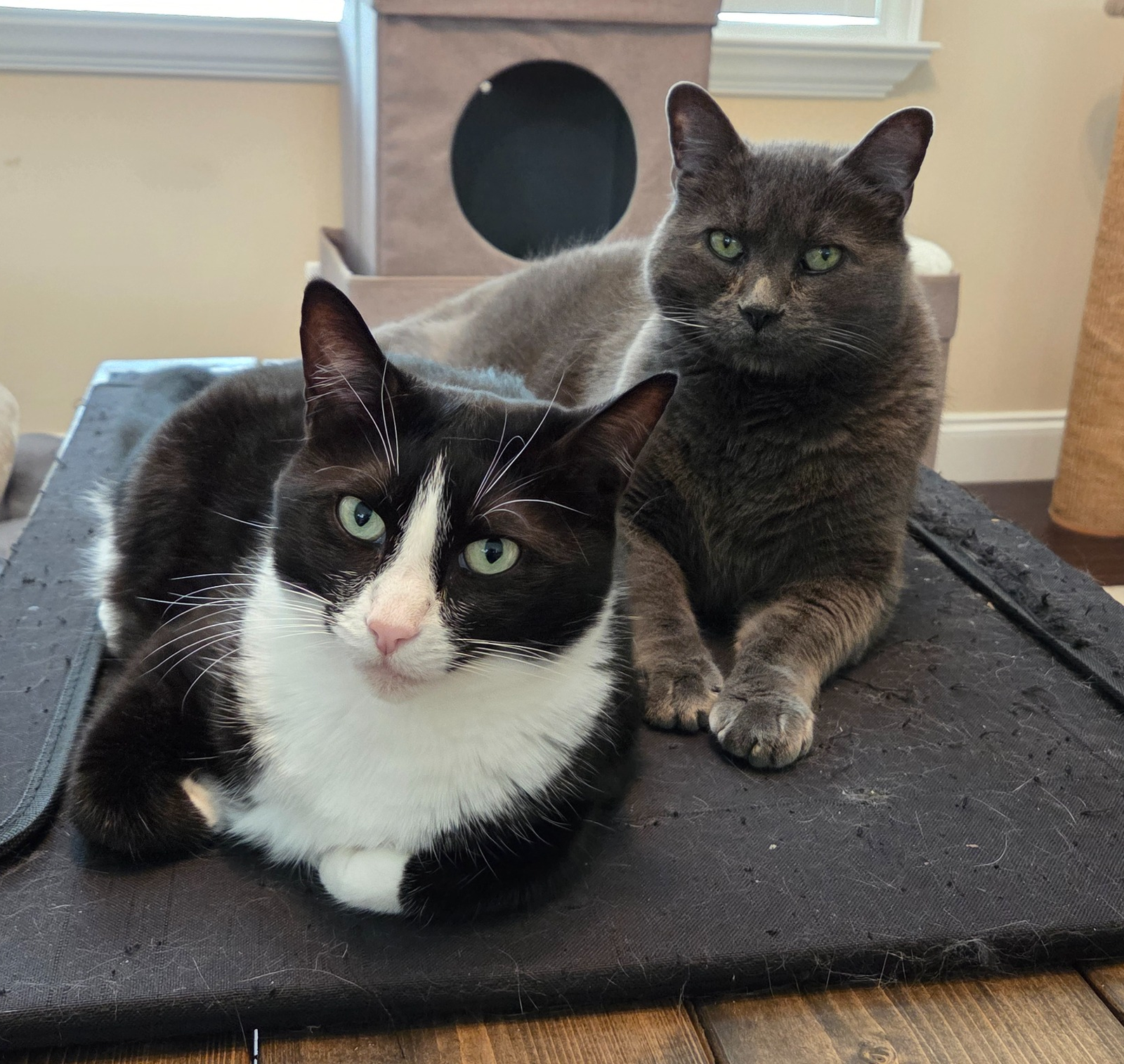
Debbie Reid is the founder and chief editor of CatPedia.net, with over 25 years of hands-on experience in feline care, rescue, and behavior research. Inspired by her rescue cats Snickers and Bigboy, she collaborates with animal welfare resources and consults veterinary literature to turn complex feline health, nutrition, and behavior topics into clear, actionable guides.