Hypertrophic cardiomyopathy is the most common form of heart disease in cats. It’s also one of the more misunderstood, partly because it can develop quietly for years before any symptoms appear.
If your cat has just been diagnosed, or your vet has flagged it as something to watch, here’s what you actually need to know.
What Is Hypertrophic Cardiomyopathy in Cats?
Hypertrophic cardiomyopathy, or HCM, is a condition where the walls of the heart become abnormally thick. The left ventricle is most commonly affected. As the muscle thickens, the heart has less room to fill with blood, which makes it harder to pump efficiently.
Over time, that reduced function can lead to fluid buildup in the lungs, irregular heart rhythms, and in some cases, dangerous blood clots.
What Causes It?
In most cats, HCM is genetic. Certain breeds carry a higher risk, including Maine Coons, Ragdolls, and British Shorthairs, but it can develop in any cat, including mixed breeds.
In some cases, other conditions can cause the heart walls to thicken secondarily. High blood pressure and hyperthyroidism are the most common culprits. This is why both are routinely checked when HCM is suspected, since treating the underlying condition can sometimes slow or reverse the heart changes.
What Are the Symptoms?
HCM is often silent in its early stages. Many cats show no symptoms at all until the condition is fairly advanced, which is part of what makes it difficult to catch.
When symptoms do appear, they can include:
- Rapid or labored breathing
- Open-mouth breathing, especially at rest
- Lethargy or reduced activity
- Poor appetite
- Weakness or fainting
- Sudden paralysis of the back legs
That last symptom, sudden back leg paralysis, is caused by a blood clot called a saddle thrombus. It’s one of the more serious complications of HCM and requires emergency veterinary care immediately. Other signs of a clot include crying out in pain, cold paw pads, or paws that appear pale or bluish.
If you notice your cat breathing faster than usual at rest, that’s worth a same-day call to your vet. Breathing changes are often the earliest visible sign that something is wrong.
How Is It Diagnosed?
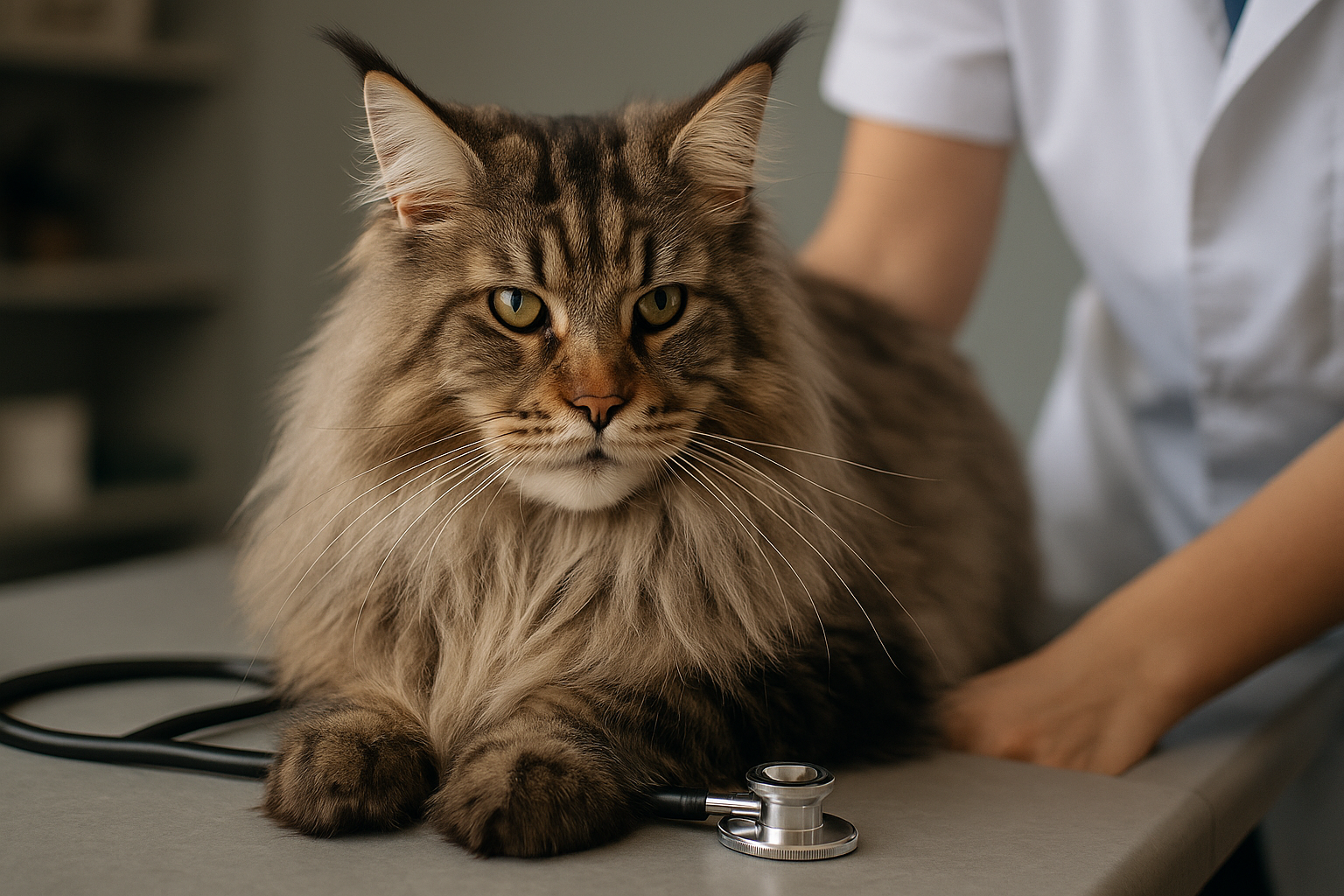
Your vet may pick up on a heart murmur or abnormal rhythm during a routine exam, though not all cats with HCM have a murmur. If HCM is suspected, a referral to a veterinary cardiologist is usually the next step.
The gold standard for diagnosis is an echocardiogram, an ultrasound of the heart that allows the cardiologist to measure the thickness of the heart walls and assess how well it’s functioning. Chest X-rays and bloodwork are typically done alongside it to check for fluid in the lungs and rule out secondary causes.
If your cat is a Maine Coon, Ragdoll, or British Shorthair, ask your vet about screening even if your cat seems healthy. Catching it early gives you more options.
What Are the Treatment Options?
There is no cure for HCM, but it can be managed. The goal of treatment is to reduce the heart’s workload, control symptoms, and lower the risk of complications.
Depending on the severity, your vet or cardiologist may recommend:
- Beta-blockers to slow the heart rate and reduce the strain on the heart muscle
- Diuretics to clear fluid from the lungs if congestion has developed
- ACE inhibitors to help the heart pump more efficiently
- Blood thinners to reduce the risk of clot formation
How well a cat responds to treatment varies. Some cats remain stable for years with medication and regular monitoring. Others progress more quickly. Either way, keeping up with cardiology checkups is important, as the treatment plan often needs to be adjusted over time.
Does Diet Play a Role?
Taurine deficiency was once a significant cause of heart disease in cats, but modern commercial cat foods are formulated to include adequate levels, so it’s rarely a factor today. That said, feeding a high-quality, meat-based diet supports overall health, which matters for any cat managing a chronic condition.
Your cardiologist may also recommend limiting sodium in some cases, particularly if fluid retention is a concern. It’s worth asking about dietary recommendations specific to your cat’s situation.
Hypertrophic Cardiomyopathy in Cats FAQs
Can hypertrophic cardiomyopathy in cats be cured?
No. HCM is not curable, but it can be managed with medication and regular monitoring. Many cats maintain a good quality of life for months or years after diagnosis.
How long can a cat live with HCM?
It varies considerably. Some cats with mild HCM live for years with little progression. Others decline more quickly, particularly if the condition is advanced at the time of diagnosis. Early detection generally improves the outlook.
What is the first sign of HCM in cats?
Often there are no obvious signs early on. When symptoms do appear, faster breathing at rest or reduced activity are usually among the first things owners notice.
Is HCM painful for cats?
The condition itself is not typically painful in its early stages. Pain can become a factor if fluid builds up significantly or if a blood clot develops.
Should I screen my other cats?
If your other cats are related to an affected cat or belong to a higher-risk breed, screening is worth discussing with your vet. An echocardiogram can detect changes before symptoms appear.
Living with HCM
An HCM diagnosis is hard news, but it doesn’t have to mean an immediate decline in your cat’s quality of life. Many cats do well with treatment and go on to have comfortable, happy lives.
Keeping up with regular checkups, tracking your cat’s breathing rate at home, and staying in close contact with your vet are the most useful things you can do. Your vet can advise on what to monitor and when to call.
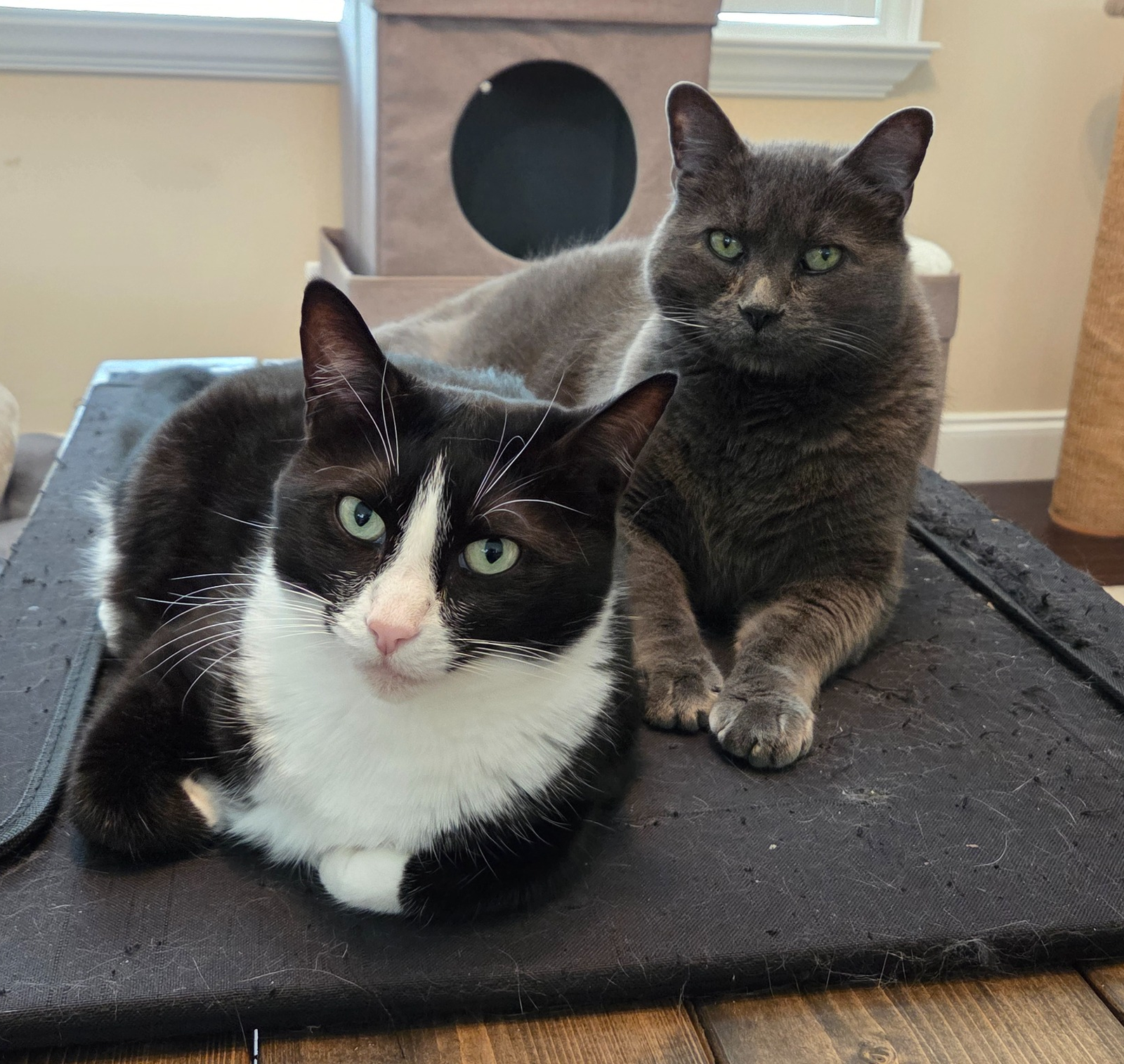
Debbie Reid is the founder and chief editor of CatPedia.net, with over 25 years of hands-on experience in feline care, rescue, and behavior research. Inspired by her rescue cats Snickers and Bigboy, she collaborates with animal welfare resources and consults veterinary literature to turn complex feline health, nutrition, and behavior topics into clear, actionable guides.