The Sokoke cat is one of the rarest domestic cat breeds in the world, and one look explains why people who find them tend to become devoted fans. That marbled, wood-grain tabby coat and lean, long-legged build give them the look of something wild, but they’re thoroughly domestic cats with a surprisingly affectionate and people-oriented personality.
They’re also not an easy breed to find, and they’re not the right fit for every household. Sokokes are active, intelligent, and need real engagement to stay happy. Get that right and they’re exceptional companions. Get it wrong and you’ll have a restless, bored cat on your hands.
Here’s what it’s actually like to live with a Sokoke cat, from personality and daily habits to grooming, health, and whether they’re the right fit for your home.
Quick Breed Facts
- Origin: Kenya (Arabuko Sokoke Forest)
- Breed registries: TICA, FIFe
- Weight range: 6–10 lbs
- Lifespan: 12–15 years
- Coat: Short, tight, glossy
- Colors and patterns: Brown blotched tabby with a wood grain pattern
- Eye color: Amber to green
- Grooming: Low maintenance
- Activity level: High
- Affection level: Moderate to high
- Vocality: Moderate
- Good with children: Yes
- Good with other pets: Usually, with proper introductions
History & Origin of the Sokoke Cat
The Sokoke cat takes its name from the Arabuko Sokoke Forest in coastal Kenya, where the breed was first discovered in the late 1970s. A Kenyan landowner named Jeni Slater came across a litter of unusual kittens with a distinctive marbled coat and long, lean build that didn’t match any known domestic breed. She began keeping and breeding them, and later shared some with a Danish friend, Gloria Moeldrup, who brought the breed to Europe and began working to establish it formally.
TICA recognized the Sokoke in 1994, followed by FIFe in 2003. The breed is believed to have developed naturally in the Arabuko Sokoke Forest over generations, which would make it one of the few naturally developed domestic cat breeds in existence. That natural development is likely why they’re so healthy and genetically robust compared to many pedigreed breeds. Outside of Kenya and parts of Europe, they remain extremely rare.
Sokoke Cat Personality & Temperament
The Sokoke is an intelligent, active cat that pays close attention to everything happening around it. They form strong bonds with their people and tend to follow their favorite humans around the house, keeping tabs on daily routines with a quiet intensity that feels more like a working dog than a typical house cat. They’re not clingy, but they are genuinely invested in being part of household life.
They can be a bit reserved with strangers initially, but they’re not shy. Once comfortable, Sokokes are affectionate, playful, and engaging. They do best in homes where they have consistent human company and enough mental stimulation to keep their active minds occupied. A bored Sokoke is a creative Sokoke, and that creativity tends to express itself in ways you won’t always appreciate.
Sokoke Cat Appearance & Physical Traits
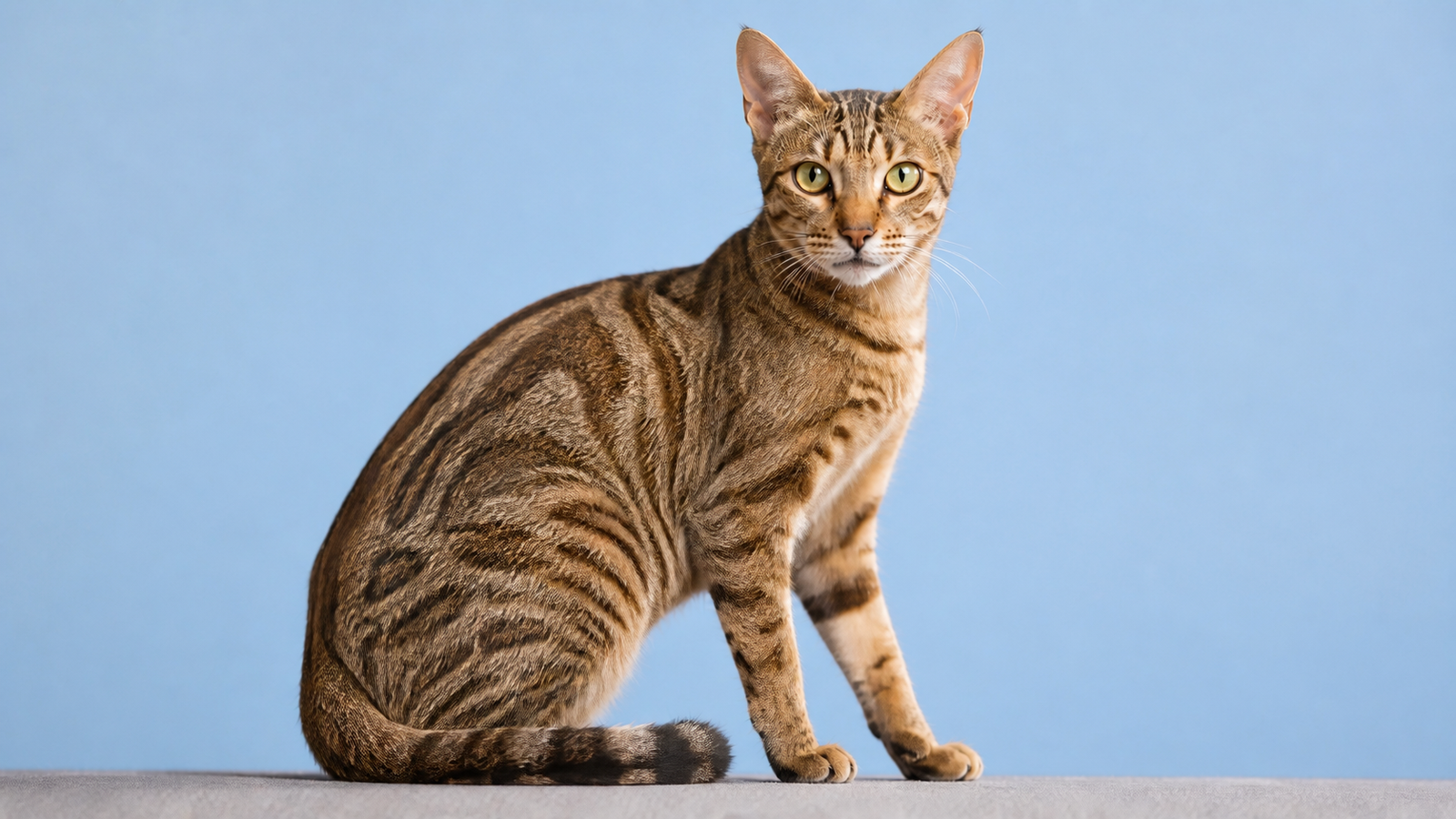
The Sokoke has a lean, athletic build with notably long legs that give it a slightly elevated stance compared to most domestic cats. Their head is wedge-shaped with high cheekbones and slightly almond-shaped eyes, and the overall impression is of a cat that’s built for movement. They’re medium-sized but feel light and agile, and they move with a precision that reflects their wild origins.
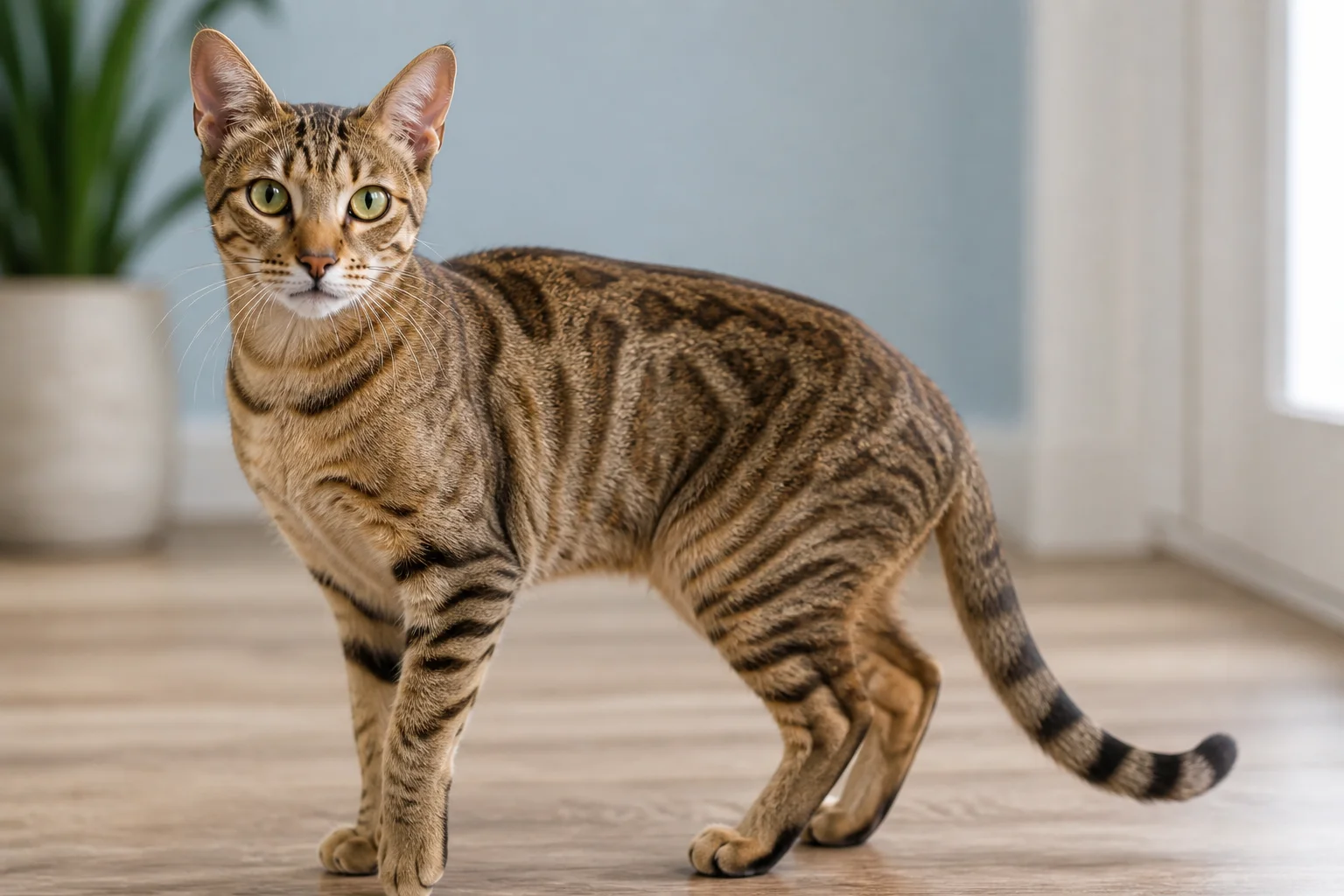
The coat is the breed’s most striking feature. It’s short, close-lying, and has a unique blotched tabby pattern that’s often described as resembling wood grain or tree bark, which is where the “Sokoke” name connection to the forest feels most apt. The base color is warm brown with darker markings that create the marbled effect. Eyes range from amber to green and tend to be vivid and expressive.
Sokoke Cat Grooming & Shedding
The Sokoke is one of the easier breeds to keep groomed. Their short, tight coat sheds lightly and doesn’t mat, and a quick brush once a week is enough to remove loose hair and keep things looking tidy. They’re naturally clean cats and rarely need bathing unless they get into something.
Beyond coat care, keep up with the basics: nail trims every couple of weeks, regular ear checks, and dental care. Their naturally evolved constitution means they don’t have the structural quirks that complicate grooming in some other breeds, which keeps the routine simple and straightforward.
Activity & Play
Sokokes are one of the more active domestic cat breeds. They climb, explore, and engage with their environment constantly, and they stay that way well into adulthood. Vertical space is important for this breed — a tall, sturdy cat tree or wall-mounted climbing shelves give them somewhere to direct that energy constructively. They’re agile and precise climbers, so the taller and more complex the setup, the better.
Interactive play is essential rather than optional. Feather wands, puzzle feeders, and toys that mimic prey movement are all good fits. Some Sokokes can even be leash trained or enjoy time in a secure outdoor enclosure, which gives them additional stimulation without the risks of free roaming. If you work from home or have an active household, a Sokoke will thrive. If you’re away most of the day, a second cat for company is worth considering.

What Do Sokoke Cats Eat?
Sokoke cats do well on a high-protein, meat-based diet with animal protein listed as the first ingredient. Their lean, athletic build means they burn energy efficiently, but that doesn’t make portion control any less important, especially as they age and activity levels naturally decrease. A mix of wet and dry food works well for most Sokokes: wet food supports hydration, while dry food adds some dental benefit.
Fresh water should always be available. Because this is a naturally evolved breed with a lean frame, keeping them at a healthy weight through diet and consistent exercise is one of the most important things you can do for their long-term health.
Sokoke Cat Health & Lifespan
The Sokoke is considered a healthy, robust breed with no known breed-specific genetic disorders. Because the breed developed naturally in the wild rather than through intensive human selection, they have a genetic diversity that many pedigreed breeds lack. Most Sokokes live 12 to 15 years, with some reaching beyond that with good care.
Regular vet checkups, a quality diet, and keeping them active and mentally stimulated are the best foundations for a long, healthy life. If you’re sourcing from a breeder, asking about the health history of the parent cats is always worthwhile, even with a naturally healthy breed.
Family Compatibility
Sokokes do well in active households where there’s consistent human presence and plenty going on. They’re patient with older children who engage with them respectfully, and they can adapt to homes with other cats or cat-friendly dogs when introductions are handled carefully. Their observant, curious nature means they tend to be right in the middle of household activity rather than hiding from it.
They’re not the best fit for very quiet homes where they’ll be left alone for long stretches. They need engagement and company to stay content. For a household that can meet those needs, the Sokoke is a loyal, distinctive, and genuinely rewarding cat to live with.
Recommended Supplies for a Sokoke Cat
Sokokes need an environment that matches their energy and intelligence. Vertical space, mental stimulation, and variety are the priorities. The basics matter, but enrichment is what keeps this breed genuinely settled and happy.
- Tall cat tree or wall-mounted climbing shelves
- Interactive toys and puzzle feeders for mental stimulation
- Window perch for observation and enrichment
- Wide, shallow food and water bowls to avoid whisker fatigue
- Roomy, consistently clean litter box
- Secure outdoor enclosure if space allows

Sokoke Cat Price and Cost
The Sokoke is one of the rarest cat breeds in the world, and finding a reputable breeder outside of Kenya or Europe takes significant research. When breeders can be found, expect to pay between $1,000 and $2,000 for a kitten, though prices vary depending on location, pedigree, and whether the cat needs to be imported. Because so few breeders exist, availability is the bigger challenge than price.
Adoption is extremely unlikely with this breed. Breed-specific rescues don’t really exist for the Sokoke given how few of these cats are in Western countries. If you’re serious about finding one, connecting with TICA or FIFe affiliated breeders is the most realistic starting point.
Sokoke Cat FAQs
Are Sokoke cats rare?
Yes, the Sokoke is one of the rarest domestic cat breeds in the world. They’re difficult to find outside of Kenya and parts of Europe, and breeders are few. Finding one typically requires patience and research.
Are Sokoke cats hypoallergenic?
No, Sokoke cats are not hypoallergenic. All cats produce the Fel d 1 protein that triggers allergies. Their short, low-shedding coat may make them slightly more tolerable for some allergy sufferers, but there are no guarantees.
Can Sokoke cats live indoors?
Yes, Sokokes can adapt well to indoor life as long as they have enough vertical space, mental stimulation, and daily interactive play. A secure outdoor enclosure is a bonus but not a requirement.
How much do Sokoke cats cost?
From a reputable breeder, Sokoke kittens typically cost between $1,000 and $2,000. Because the breed is so rare and breeders are limited, availability is often a bigger challenge than the price itself.
How long do Sokoke cats live?
Most Sokoke cats live 12 to 15 years with proper care. As a naturally evolved breed with no known hereditary health issues, they tend to be robust and long-lived when given a good diet and regular veterinary attention.
Do Sokoke cats get along with other pets?
Usually, yes. Sokokes can adapt to homes with other cats and cat-friendly dogs when introductions are handled gradually and carefully. Their confident, observant nature means they tend to assess new animals thoughtfully rather than reacting with fear or aggression.
Is the Sokoke Cat Right for You?
If you want a rare, strikingly beautiful cat with a genuinely engaged personality and the energy to match, the Sokoke is worth the effort it takes to find one. They’re best suited to active households with people who are home regularly and genuinely enjoy interacting with their cat rather than just coexisting with one.
The rarity and the high activity level are the two honest things to think through before committing. Get both of those right, and the Sokoke will be one of the most distinctive and rewarding cats you’ve ever lived with.
Debbie Reid is the founder and chief editor of CatPedia.net, with over 25 years of hands-on experience in feline care, rescue, and behavior research. Inspired by her rescue cats Snickers and Bigboy, she collaborates with animal welfare resources and consults veterinary literature to turn complex feline health, nutrition, and behavior topics into clear, actionable guides.