Most people associate hip dysplasia with dogs. But cats can develop it too.
The signs tend to be subtle at first. A little hesitation before jumping, stiffness after resting, a gradual retreat from spots they used to love.
The good news is that most cats with hip dysplasia live full, comfortable lives with the right support.
What Is Hip Dysplasia in Cats?
Hip dysplasia happens when the hip joint doesn’t develop properly. Instead of the ball of the thigh bone fitting snugly into the hip socket, the fit is loose, shallow, or misaligned. That instability causes friction in the joint, which leads to wear over time, and eventually pain and inflammation.
Large breeds like Maine Coons, Ragdolls, and Persians are more commonly affected, though it can show up in any cat, particularly as they age.
What Are the Symptoms of Hip Dysplasia in Cats?
Early signs are subtle, and what you’ll notice first is a change in behavior, not pain.
- Hesitating or refusing to jump up onto furniture or counters
- A bunny-hop gait when running or climbing stairs
- Stiffness, especially after resting
- Avoiding the litter box or struggling to get in and out of it
- Licking or grooming around the hip area more than usual
- Decreased activity or less interest in play
- Sensitivity when touched near the lower back or hips
If your cat has quietly stopped using their favorite perch or sleeping spot, that’s often the first real clue that movement is becoming uncomfortable.
How Is It Diagnosed?
Your vet will usually start with a physical exam, checking your cat’s range of motion and watching how they move. X-rays are typically needed to confirm the diagnosis and see the extent of any joint changes.
It helps to come prepared. If your cat moves normally the moment they’re in the clinic (which they often do), a short video of them walking at home can give your vet a much clearer picture. A list of any behavioral changes you’ve noticed, even small ones, is just as useful.
What Are the Treatment Options?
Most cats with hip dysplasia don’t need surgery. The goal is managing comfort and slowing the progression of joint wear, and there are several ways to do that.
- Anti-inflammatory medication prescribed by your vet to manage pain and swelling
- Joint supplements such as omega-3 fatty acids and glucosamine, which may help support cartilage health
- Weight management, since extra weight puts real strain on already compromised joints
- Environmental adjustments at home to make daily life easier
- Physical therapy or laser therapy, which some vets offer and cats often tolerate well
In more severe cases where the joint is significantly unstable or causing ongoing pain, surgery may be discussed. The most common procedure is a femoral head ostectomy, where the ball of the hip joint is removed. It sounds more alarming than it is. Cats tend to adapt well and often regain comfortable movement.
How to Make Life More Comfortable at Home
You don’t need to overhaul your home, but a few practical changes can take a lot of strain off your cat’s joints.
- Ramps or low steps leading up to beds, sofas, or window perches remove the need to jump
- A low-sided litter box makes entry and exit much easier and can prevent litter box avoidance
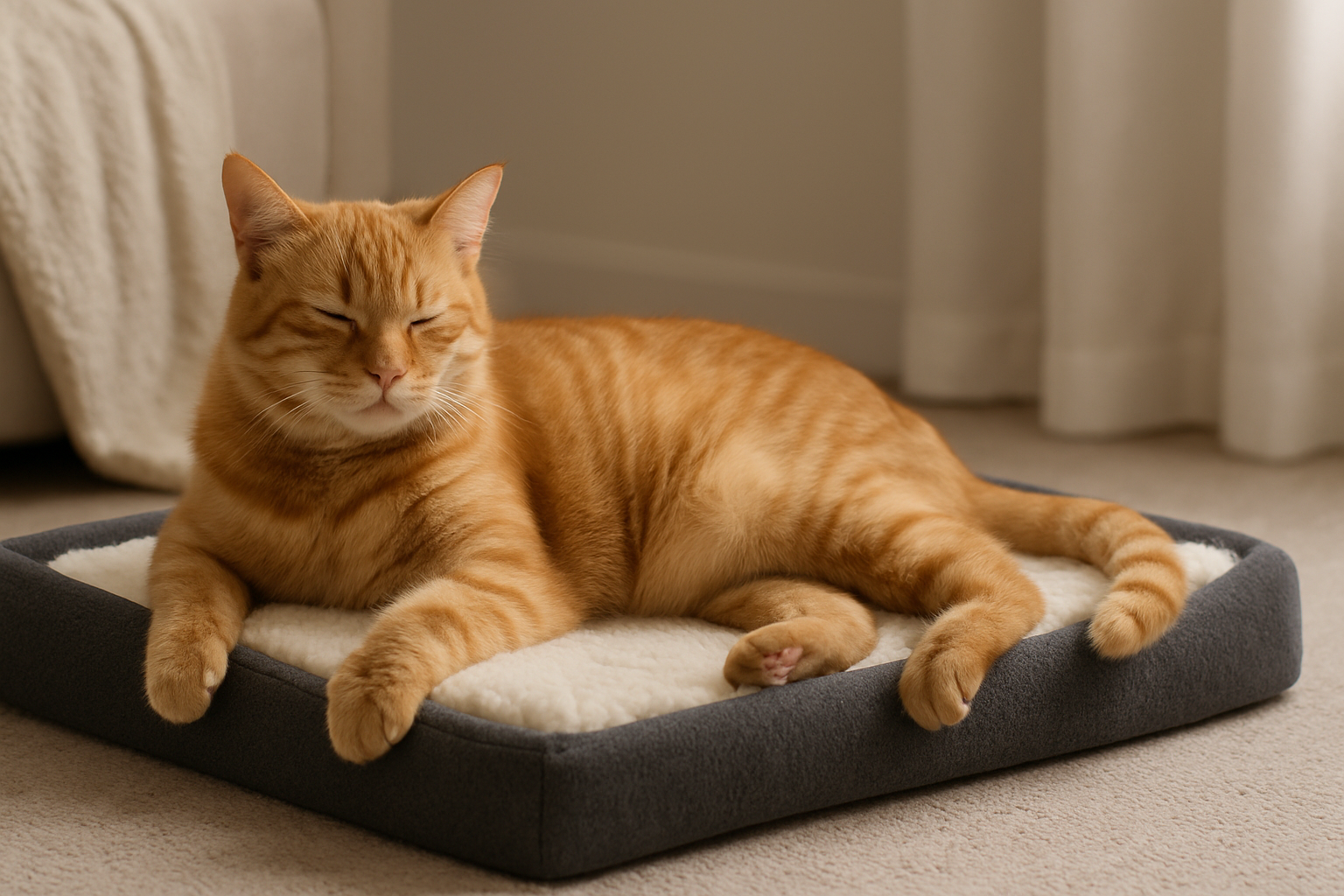
- An orthopedic or memory foam bed supports the joints during rest
- Elevated food and water bowls reduce the need to crouch
- Gentle, low-impact play keeps them moving without putting stress on the hips
Does Diet Play a Role?
It does, in a couple of ways. Keeping your cat at a healthy weight is one of the most effective things you can do. Even a small amount of extra weight increases the load on the hip joint, which accelerates wear and worsens pain.
Omega-3 fatty acids, found in fish oil and some cat foods, have anti-inflammatory properties that may help with joint comfort. Your vet can advise on whether a supplement makes sense for your cat specifically.
Hip Dysplasia in Cats FAQs
Is hip dysplasia painful for cats?
It can be, particularly as the condition progresses and arthritis develops in the joint. Many cats mask pain well, which is why behavioral changes are often the only outward sign something is wrong.
Can kittens be born with hip dysplasia?
Yes. Hip dysplasia has a genetic component and can be present from birth, though signs may not become obvious until the cat is older and the joint begins to show wear.
Which cat breeds are most at risk?
Maine Coons, Ragdolls, and Persians are among the breeds most commonly affected. That said, hip dysplasia can occur in any cat, and mixed breeds are not immune.
How long can a cat live with hip dysplasia?
Most cats live a normal lifespan. With good pain management, a supportive home environment, and regular vet checkups, many cats with hip dysplasia remain comfortable well into their senior years.
Can hip dysplasia be cured?
There is no cure, but it is very manageable. The focus is on keeping your cat comfortable, slowing joint deterioration, and maintaining quality of life for as long as possible.
Living with Hip Dysplasia
Hip dysplasia doesn’t have to change your cat’s quality of life. Most cats adapt well and stay comfortable with the right support in place.
A few simple adjustments at home, along with regular vet checkups, help keep them comfortable.
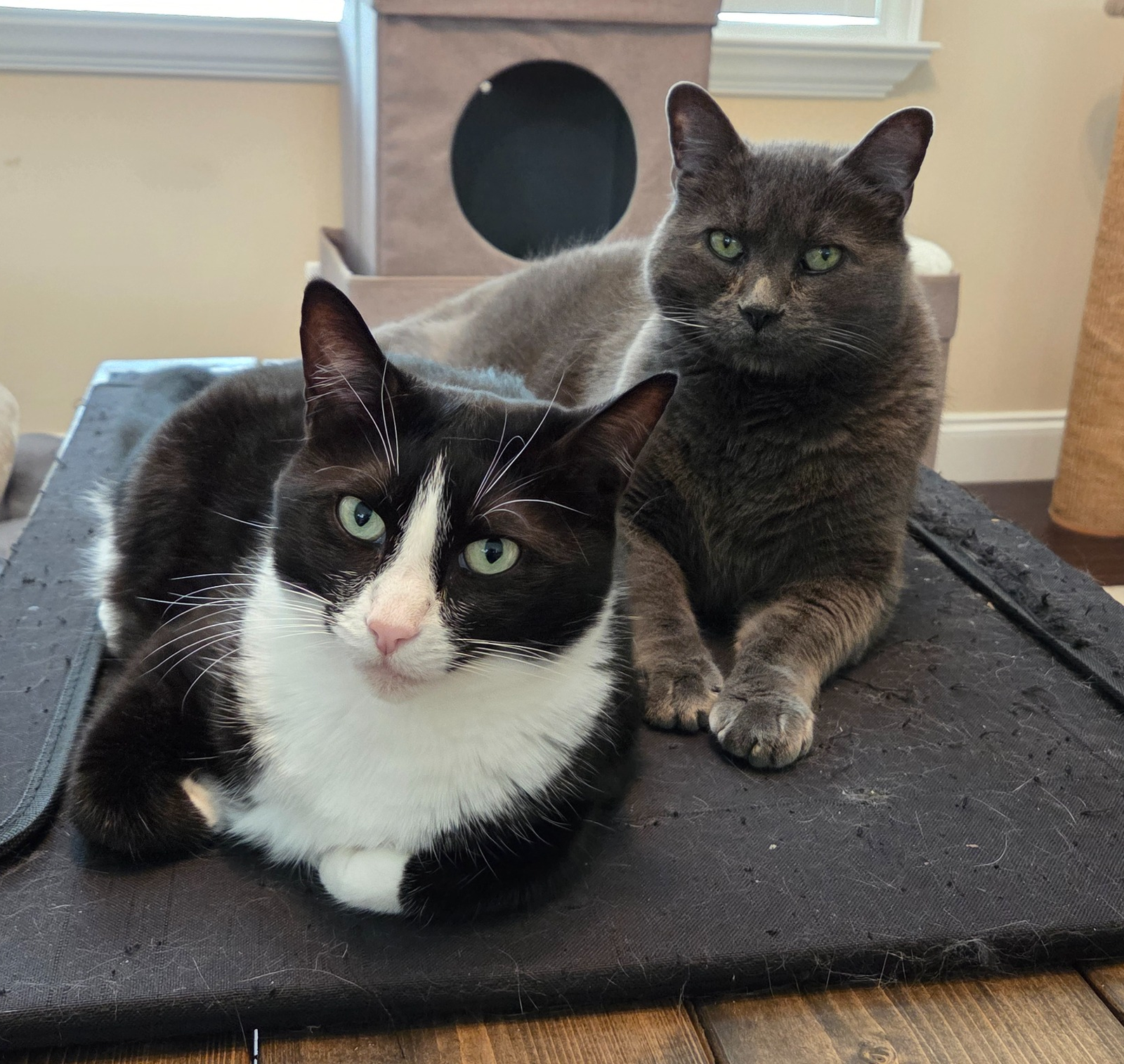
Debbie Reid is the founder and chief editor of CatPedia.net, with over 25 years of hands-on experience in feline care, rescue, and behavior research. Inspired by her rescue cats Snickers and Bigboy, she collaborates with animal welfare resources and consults veterinary literature to turn complex feline health, nutrition, and behavior topics into clear, actionable guides.