

Some cats cost a lot more than others, and it usually comes down to rarity, special bloodlines, or the extra work breeders put into raising healthy kittens. If you’ve ever wondered which breeds come with the highest price tags, this list highlights the most expensive cat breeds and explains what makes each one so valuable.
Each breed on this list offers something different — in personality, care needs, and long-term costs — so you can get a clear picture of what to expect if you decide to bring one home.
1. Ashera Cat
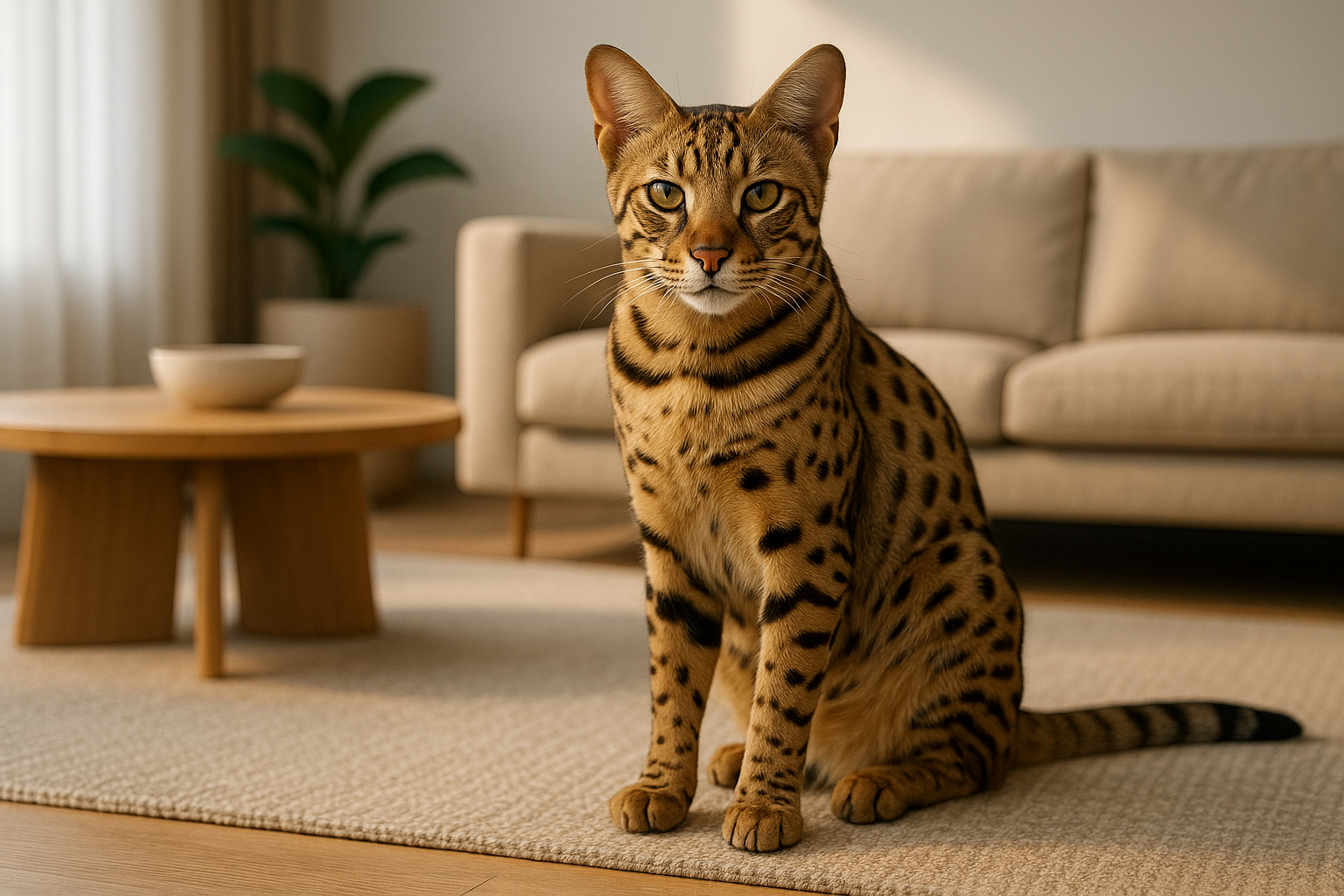
The Ashera cat is often described as one of the world’s most expensive cats, with reported prices reaching $75,000 to $125,000+. Much of this price comes from exclusivity and branding rather than verified genetics. Because only a few breeders claim to produce Ashera kittens, scarcity keeps costs extremely high.
Caring for an Ashera can also be expensive because early lines were believed to come from hybrid ancestors. These cats may need space, activity, and high-quality diets to stay healthy, and owners should be prepared for the same enrichment needs seen in large, active hybrid breeds.
Unique insight: The Ashera’s price is controversial. Many experts believe it is closely related to, or even the same as, certain Savannah lines, and DNA testing has raised questions about its true origin. Even so, the mystery surrounding the breed has increased public curiosity and kept the price elevated.
2. Savannah Cat (F1–F2)
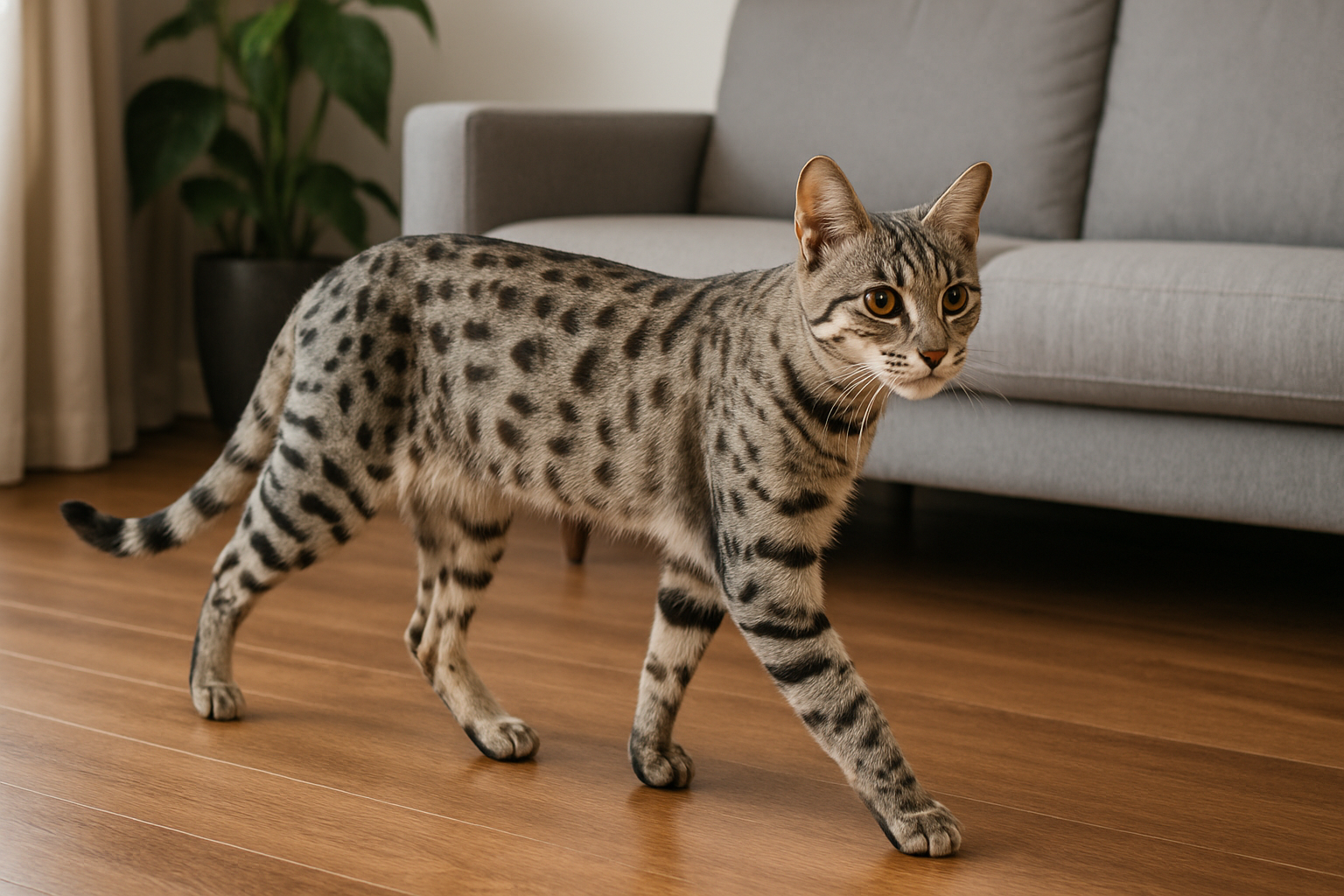
Savannah cats are known for their tall legs, spotted coats, and bold personalities. An F1 or F2 Savannah can range from $12,000 to $25,000+ because these kittens have a serval parent or grandparent. These early generations are incredibly rare and require specialized breeding facilities that can safely house wildcat hybrids.
Savannahs need plenty of space, enrichment, and interactive play. Food, insurance, and secure indoor setups may cost more than average cat care — especially for larger F1 lines that retain more serval-like behaviors and energy levels.
Unique insight: Servals have low fertility when paired with domestic cats, which means breeders often have very few F1 kittens each year. Small litter sizes are one of the biggest reasons Savannah prices stay so high.
3. Khao Manee
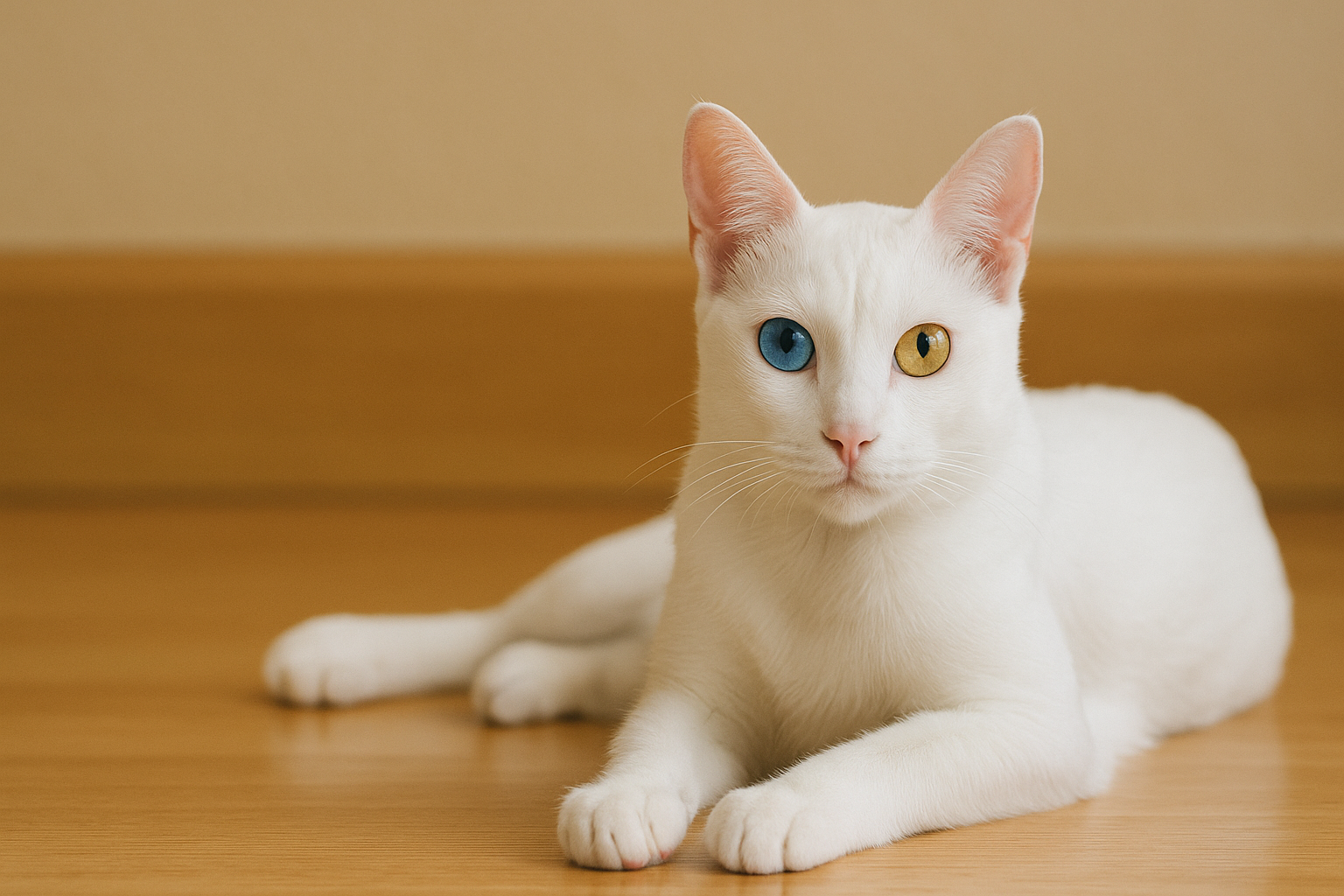
The Khao Manee is a rare Thai breed known for its bright white coat and stunning eyes. Prices can reach $5,000 to $11,000 because true Khao Manee lines are limited outside Thailand, and breeders must carefully maintain the breed’s distinct look.
Ongoing care is similar to most shorthair cats, though white-coated cats may need extra sun protection. Health testing and thoughtful line management make these kittens more expensive to produce, especially for breeders who focus on preserving traditional Thai bloodlines.
Unique insight: Many high-end Khao Manee kittens come with official documentation from Thai breeding groups. This certification adds to the cost and helps prove authenticity for international buyers, protecting them from mixed or mislabeled cats that are sometimes sold under the Khao Manee name.
4. Persian Cat
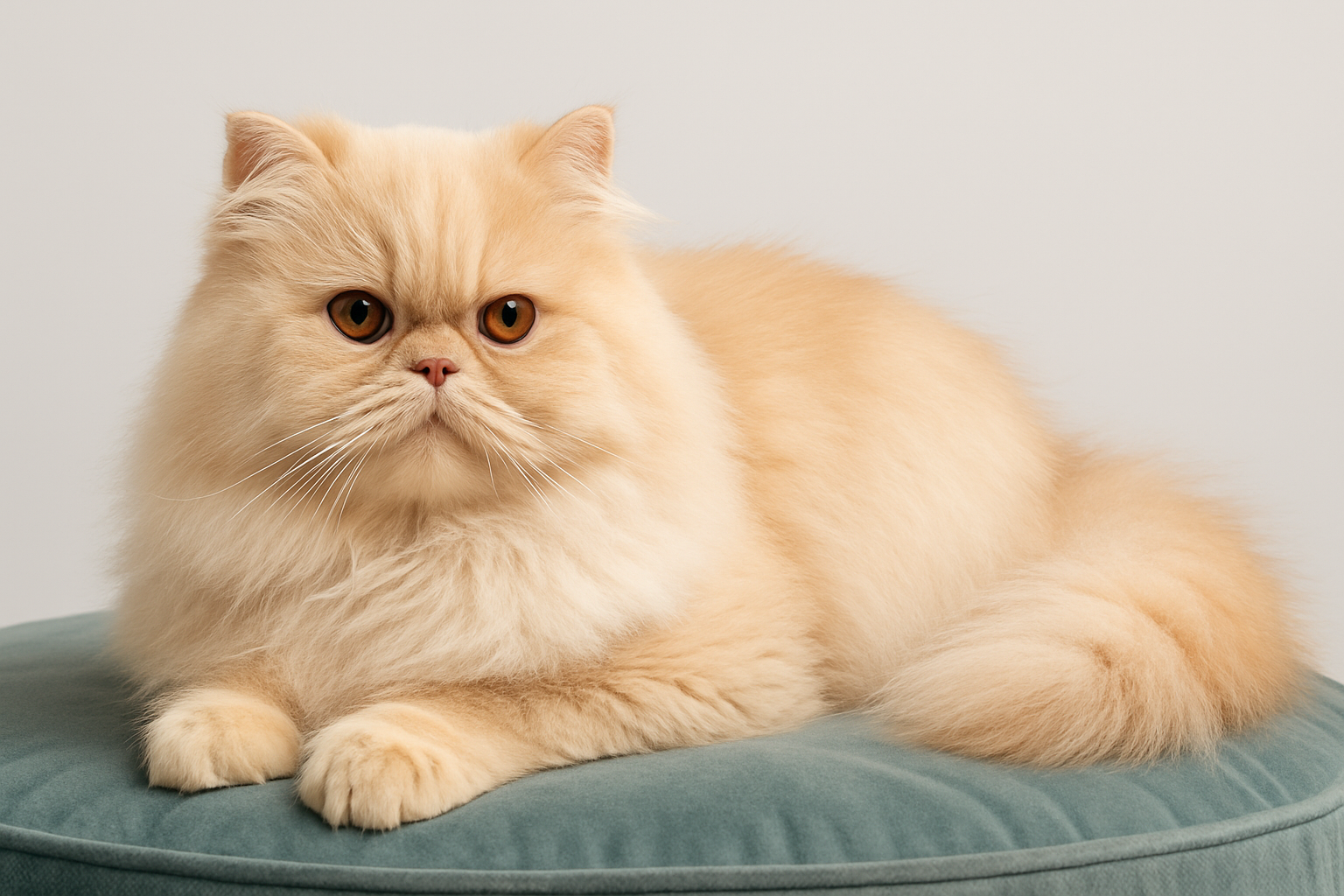
The Persian cat remains one of the most iconic breeds thanks to its long coat and sweet nature. Prices range from $2,000 to $10,000, with the highest costs going toward kittens from award-winning bloodlines or those in especially desirable colors like chinchilla, silver, or blue.
Persians can also be more expensive to maintain because their coats require daily brushing and routine grooming appointments to prevent matting. Responsible breeders screen for genetic conditions such as polycystic kidney disease, and this health testing increases the overall cost of producing healthy kittens.
Unique insight: Persians mature slowly and may take two to three years to reach full coat length and body shape. This extended development makes breeding programs longer and more costly, which is one reason well-bred Persian kittens come at a higher price.
5. Bengal Cat
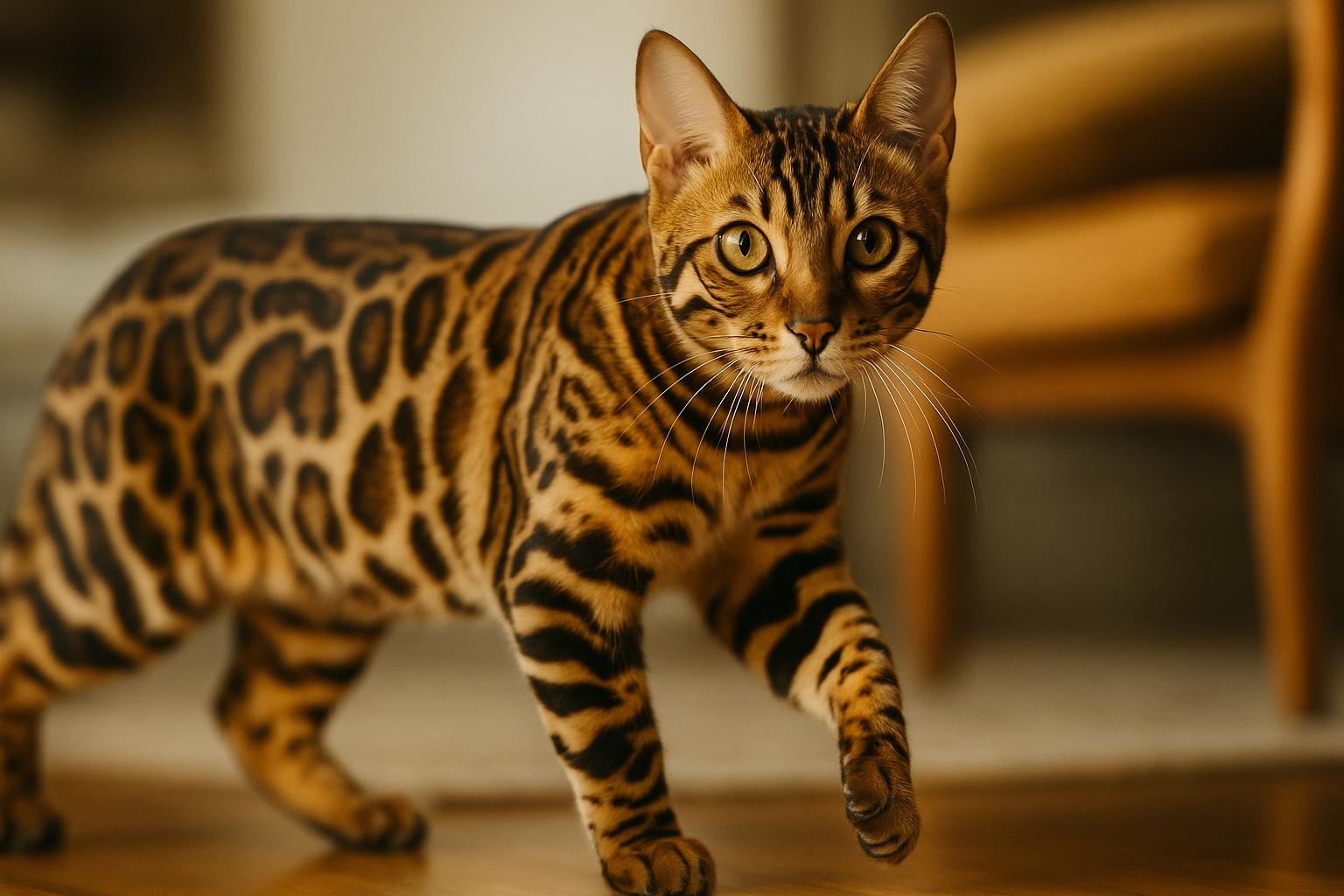
Bengal cats are prized for their wild look, silky coats, and dramatic rosette patterns. The average Bengal cat price ranges from $2,000 to $5,000 for pet-quality kittens. Show-quality Bengals or kittens with rare colors — such as snow, charcoal, or melanistic — can cost even more. Creating those bold, well-separated spots takes years of selective breeding, and responsible breeders also invest in genetic and heart testing, which raises overall costs.
Bengals are energetic, athletic cats that need plenty of playtime and enrichment. Climbing shelves, puzzle feeders, and daily interaction help keep them mentally and physically stimulated. While they’re not usually expensive to maintain medically, they do best in homes that can match their active, curious nature.
Unique insight: Early Bengal breeders spent decades refining the rosette patterns we see today. Because high-contrast markings rely on very specific genetic pairings, only a small number of kittens in each litter show the ideal “show-quality” look — which is one reason exceptional Bengals command higher prices.
6. Sphynx Cat
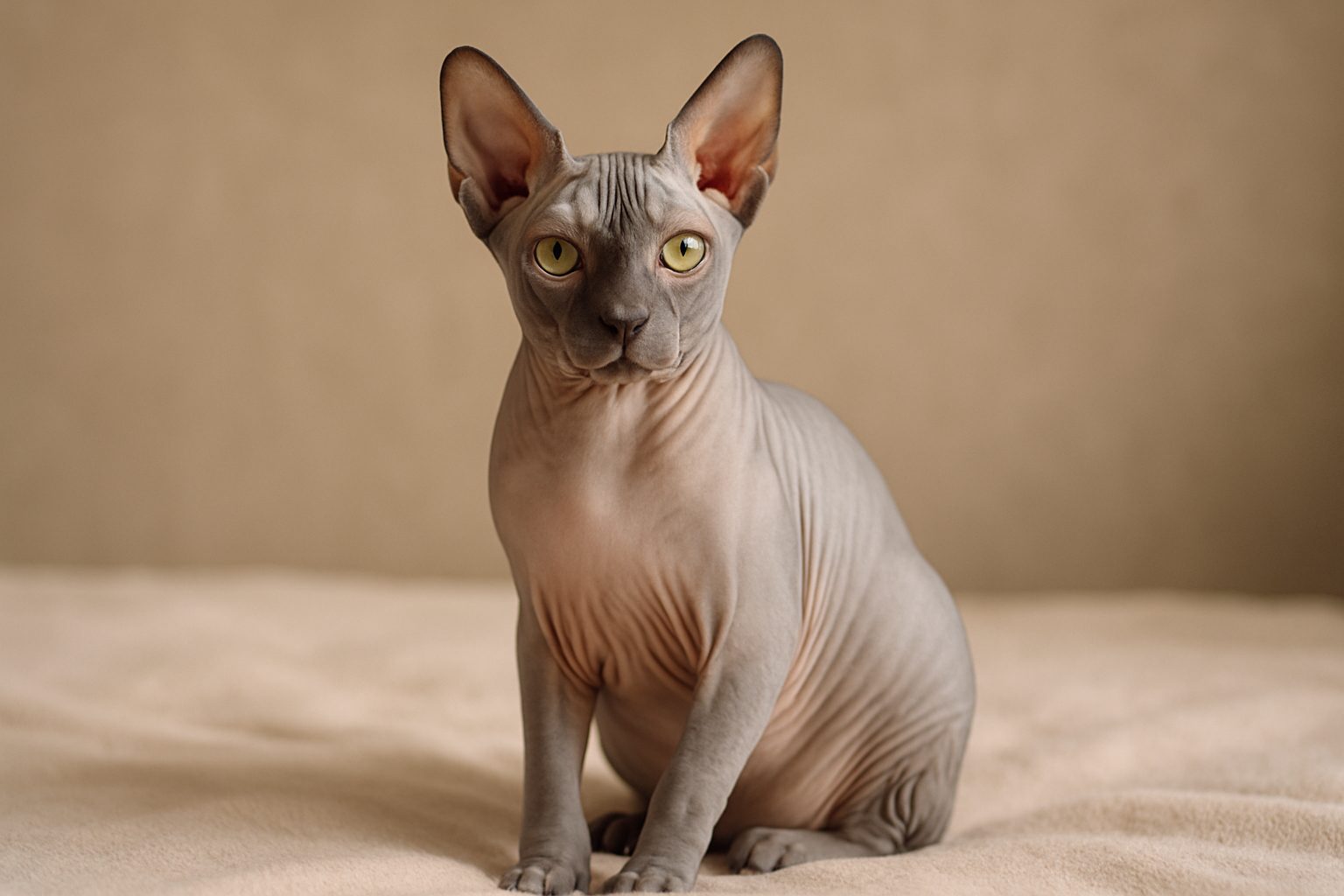
The Sphynx is one of the most recognizable cat breeds thanks to its hairless look and outgoing personality. Prices often range from $1,800 to $6,000. These costs reflect the extra care involved in raising healthy Sphynx kittens, including heart disease screening, temperature monitoring, and careful genetic pairing. Breeders also manage small litter sizes and give nursing mothers additional support, which increases the overall cost of each kitten.
Maintenance costs can be higher than new owners expect. Sphynx cats need weekly baths, routine ear cleaning, and warm indoor environments to protect their skin. Because they produce more natural oils than coated breeds, their bedding needs frequent washing as well.
Unique insight: Sphynx kittens struggle to regulate their body temperature, so breeders rely on climate-controlled nurseries to keep them safe. This specialized setup is one reason high-quality Sphynx lines remain more expensive.
7. Peterbald Cat
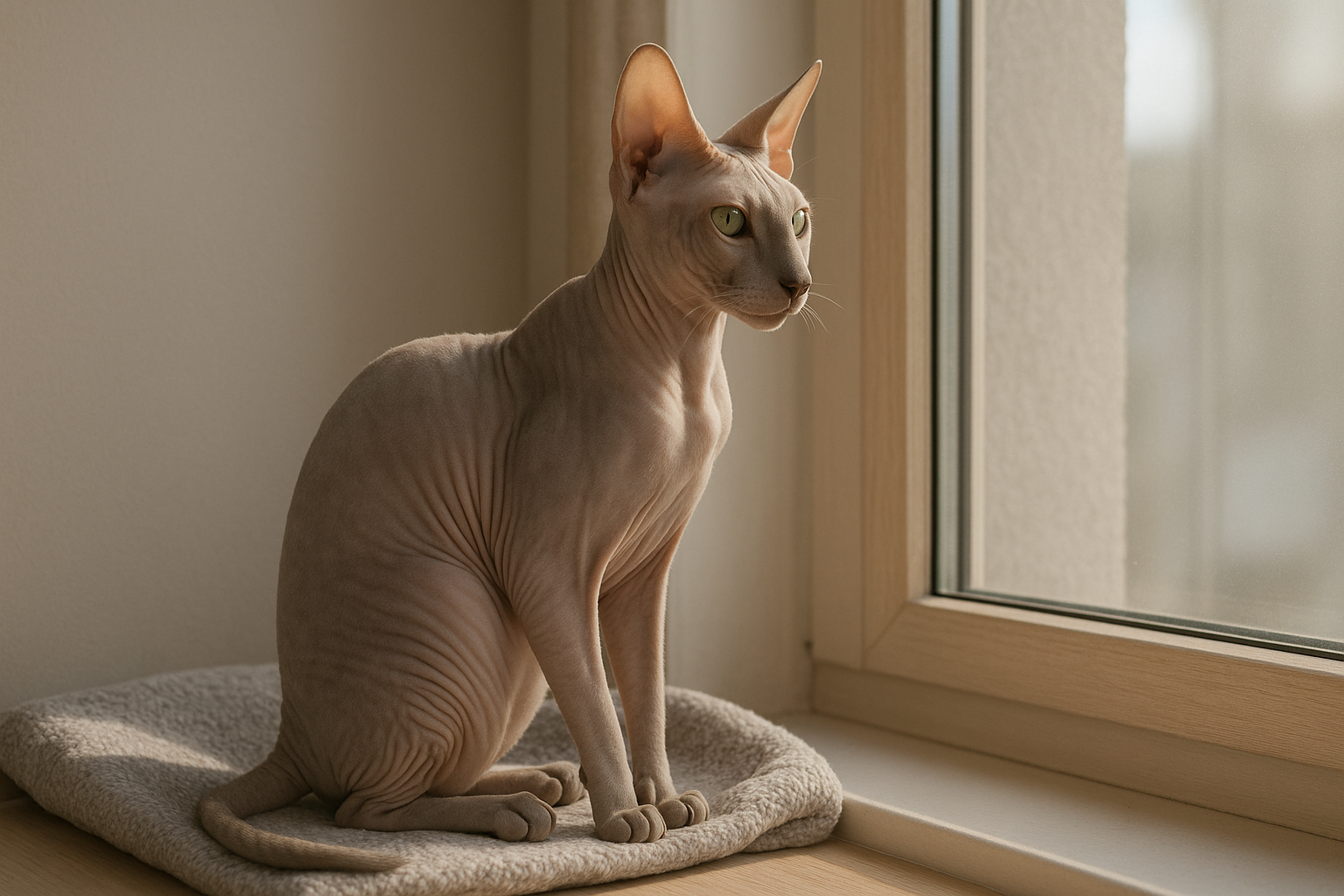
The Peterbald is a graceful Russian breed with coat types that range from hairless to soft peach fuzz. Prices generally fall between $2,000 and $5,000. The breed is rare, and keeping lines healthy requires thoughtful genetic planning. Responsible breeders may outcross to approved breeds and run health screenings to maintain diversity, which increases the cost of producing each litter.
Care needs depend on coat type. Hairless Peterbalds need regular skin care similar to the Sphynx, while coated Peterbalds are easier to maintain. Owners of hairless cats should also expect to wash bedding more often because their skin produces natural oils that transfer onto fabrics.
Unique insight: Peterbald kittens can change coat type as they grow. This unpredictability makes breeding more challenging and is one reason high-quality Peterbalds remain relatively expensive.
8. British Shorthair
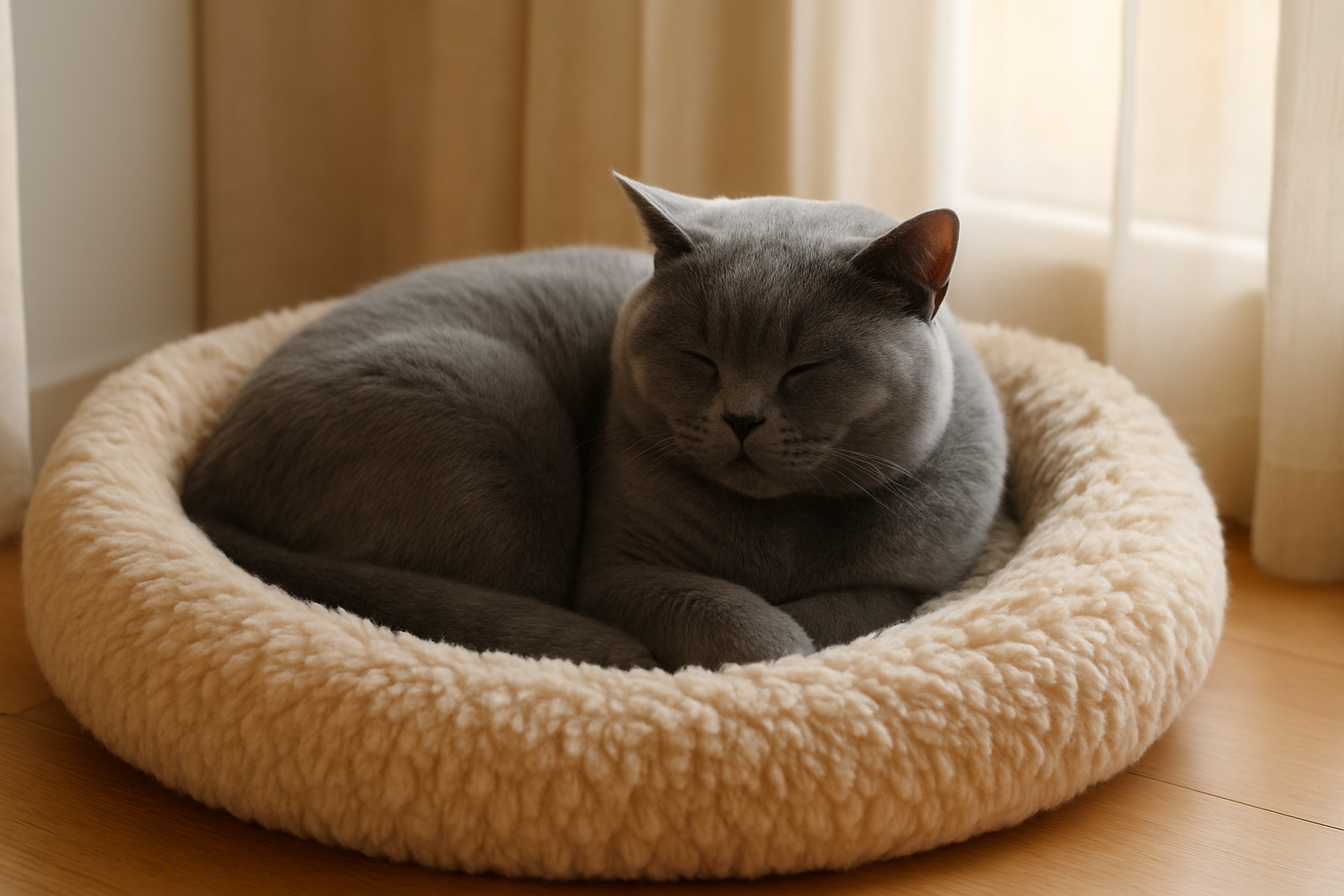
The British Shorthair is loved for its plush coat, round features, and calm personality. Prices usually fall between $1,500 and $3,000, though rare colors and imported lines can cost more. Responsible breeders also screen for heart conditions and other genetic issues, and this testing adds to the cost of raising healthy kittens.
British Shorthairs are generally affordable to maintain compared to other expensive breeds. Their short, dense coats need only weekly brushing, and their mellow temperaments make them easy companions. Most owners find that food, grooming, and veterinary expenses stay close to the cost of caring for a typical household cat.
Unique insight: British Shorthairs mature slowly and may not reach full size until age three or four. This extended development means breeders must wait longer to evaluate future breeding cats, which increases long-term program costs and influences kitten pricing.
9. Ragdoll Cat
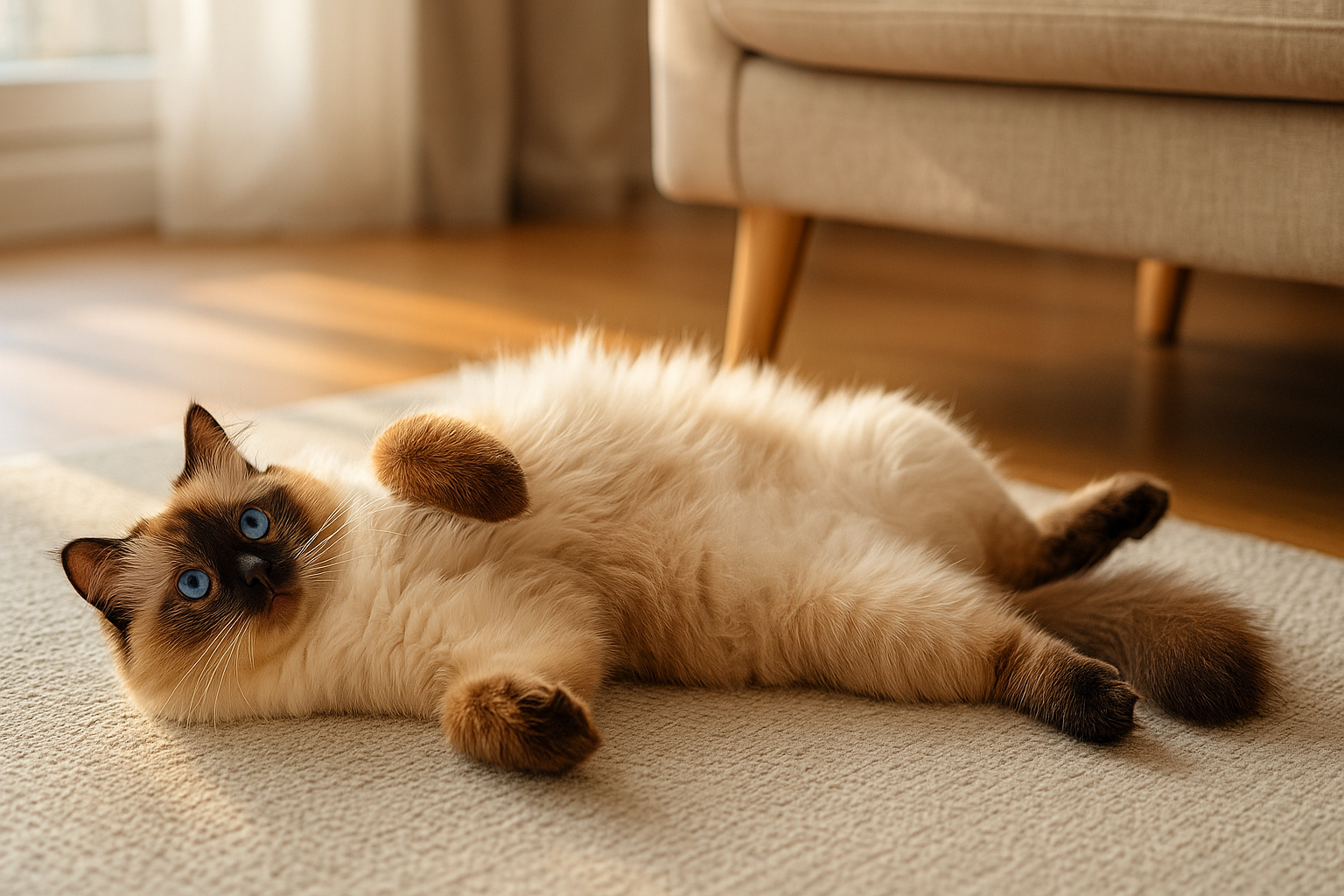
The Ragdoll is famous for its blue eyes, silky coat, and gentle personality. Prices range from $1,500 to $3,000 depending on colors, patterns, and champion bloodlines. Rare patterns like blue bicolor or lilac can cost more, and reputable breeders also invest in heart screening to help reduce the risk of genetic issues.
Ragdolls need regular brushing, but their coats are easier to manage than longhaired breeds like the Persian. Most families find veterinary costs, grooming needs, and diet requirements very manageable, and their calm nature makes them one of the simplest expensive breeds to care for.
Unique insight: Ragdolls were originally developed from only a handful of foundation cats. This limited starting population makes careful genetic management important and is one reason high-quality Ragdoll lines remain more expensive.
10. Toyger Cat
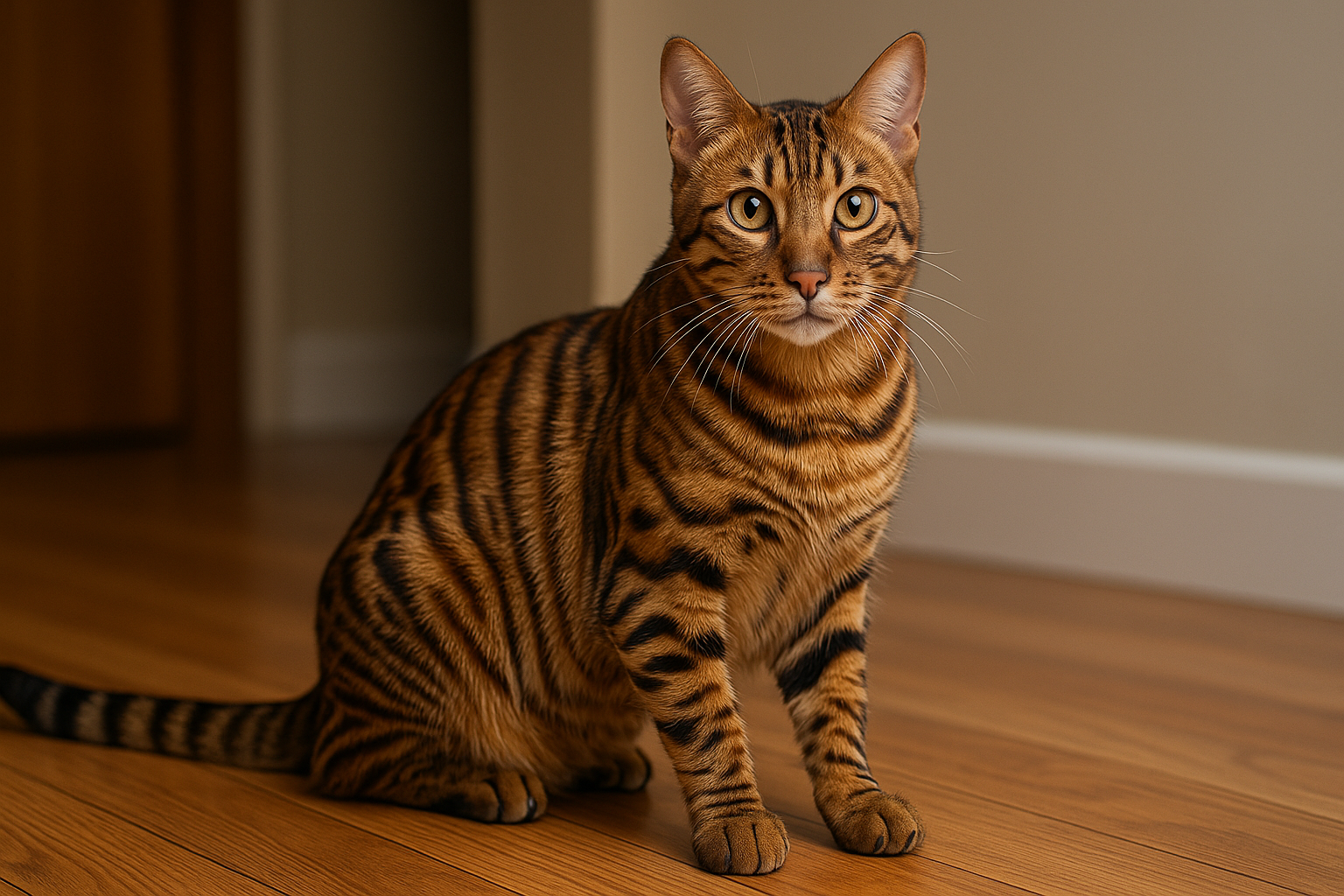
The Toyger was bred to resemble a tiny tiger. With bold stripes and a muscular build, Toyger kittens typically cost $1,500 to $3,000. The breed is still developing, and well-marked kittens are especially valuable. Producing sharp facial markings and high-contrast stripes requires selective pairing, so only part of each litter meets the ideal standard.
Toygers are moderate to maintain. They need daily play and enrichment to stay happy, but their short coats keep grooming simple. Most owners find them easy to care for as long as they have enough attention and activity.
Unique insight: Because Toygers are still a young breed, breeders focus on richer color and stronger stripe contrast with every generation. These ongoing improvements influence both the future look of the breed and the price of the kittens.
Frequently Asked Questions
What is the most expensive cat breed?
The Ashera is often listed as the most expensive cat due to its rarity and branding. Among verified breeds, the Savannah cat (F1 generation) consistently has the highest documented prices.
Why do some cat breeds cost so much?
High prices often come from limited breeding populations, strict health testing, rare colors, and the effort needed to raise healthy kittens. Some hybrid breeds also require special housing or breeding setups.
Are expensive cats harder to care for?
It depends on the breed. Some, like the British Shorthair, are easygoing and low maintenance. Others, like the Sphynx or Savannah, need more grooming, enrichment, or special care.
Is One of These Expensive Cat Breeds Right for You?
These ten breeds are known for their rare looks, unique personalities, and higher price tags, but cost alone doesn’t decide whether a cat will be the right fit for your home. This list focuses on upfront purchase price — long-term care, grooming, and health needs vary widely from one breed to another.
If you’re interested in one of these cats, take time to research breeders, ask about health testing, and learn what each breed needs to stay happy and healthy. You can also explore many other wonderful breeds in our full A–Z cat breed list, which includes options for every lifestyle and budget.
No matter the price, the best cat is one whose needs match your home and your heart.
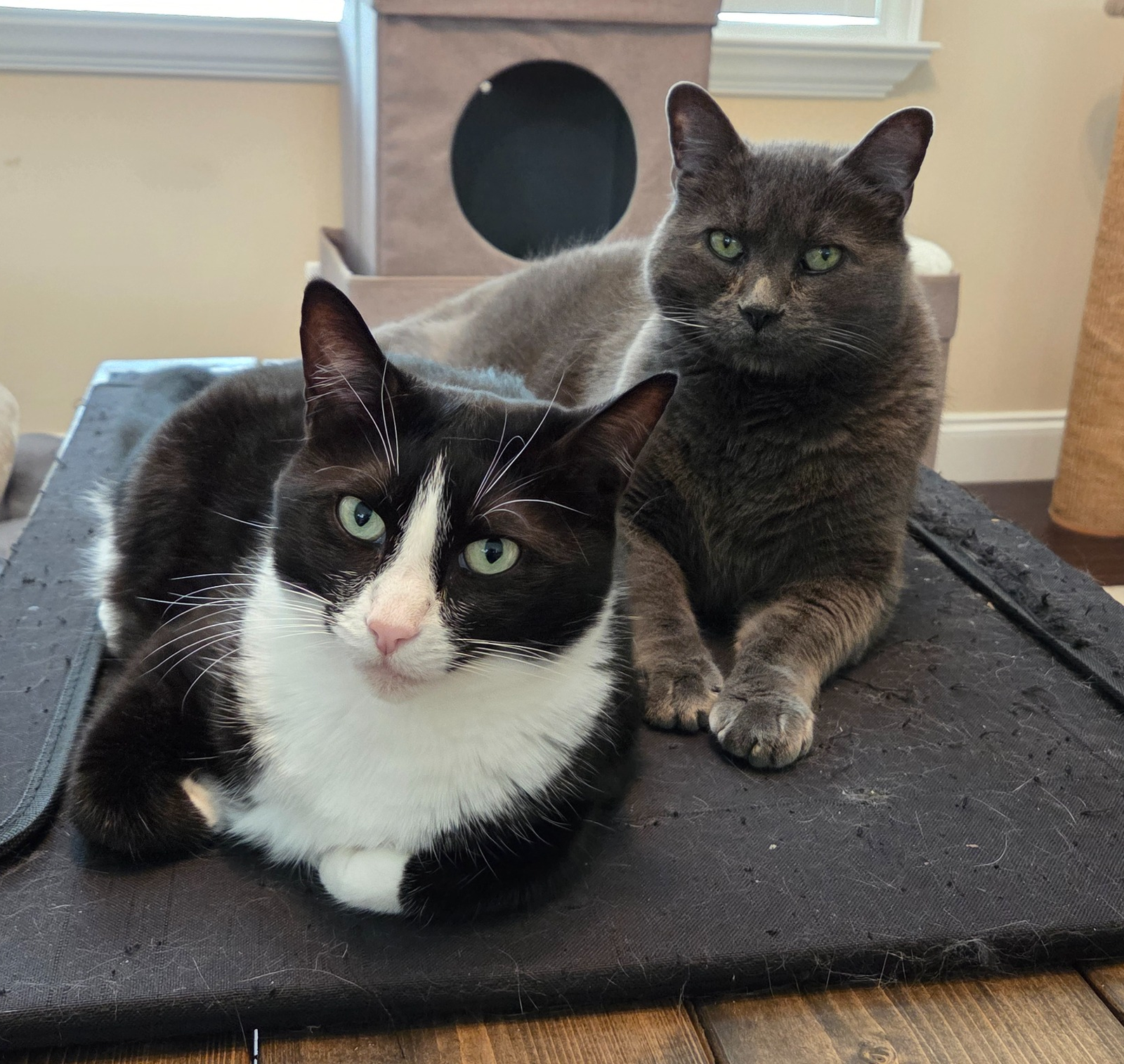
Debbie Reid is the founder and chief editor of CatPedia.net, with over 25 years of hands-on experience in feline care, rescue, and behavior research. Inspired by her rescue cats Snickers and Bigboy, she collaborates with animal welfare resources and consults veterinary literature to turn complex feline health, nutrition, and behavior topics into clear, actionable guides.