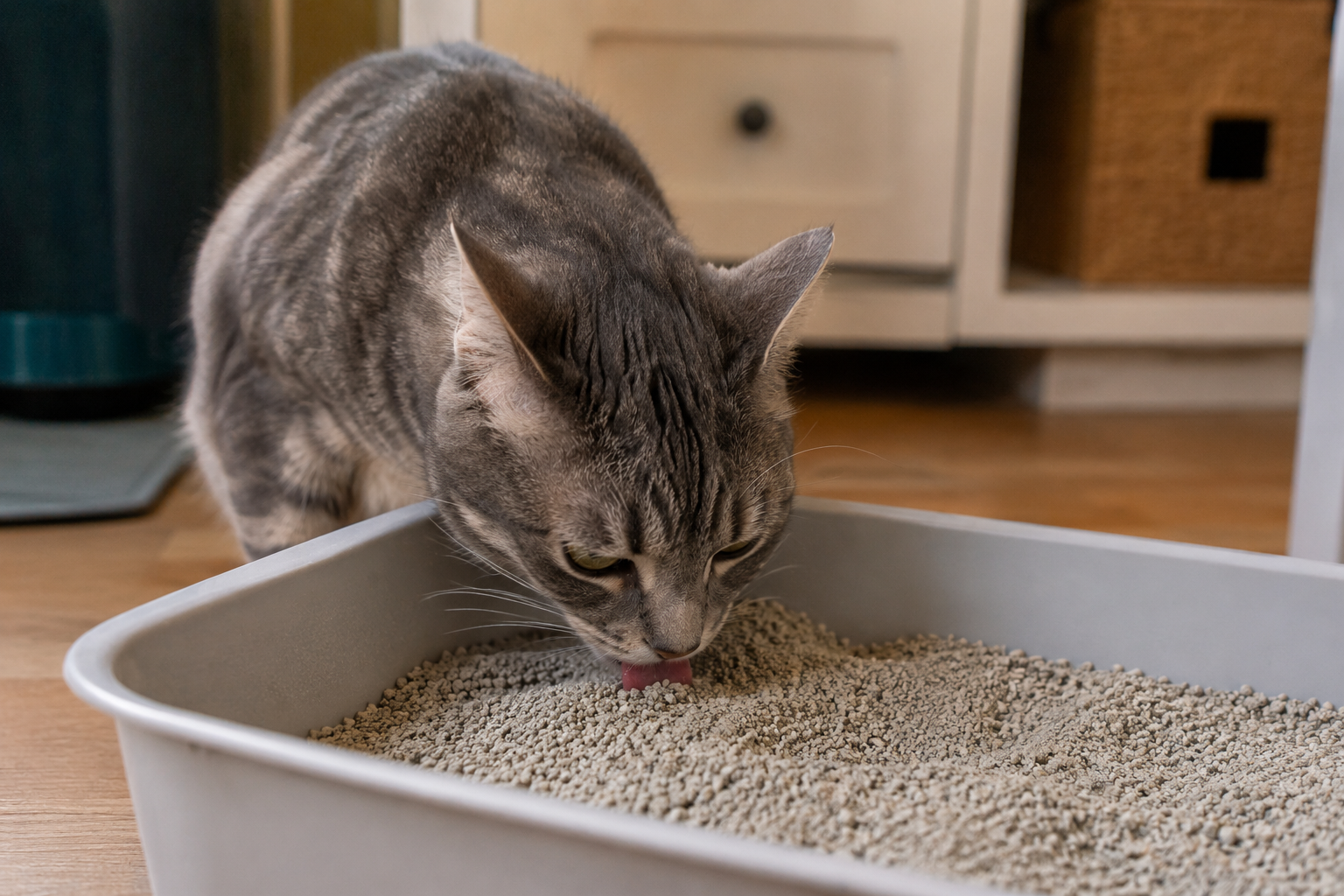
When you catch your cat eating litter, it usually gets your attention fast. It is not something most cats do.
Sometimes it is nothing more than curiosity, especially in young kittens. Other times it can point to stress, a nutritional gap, or an underlying health problem.
Is It Normal for Cats to Eat Litter?
No. While cats naturally sniff and paw around the litter box, actually eating litter is not considered normal behavior.
A kitten tasting litter once or twice is usually just part of exploring the world. But a cat that keeps eating litter, especially an adult cat, should be checked by a veterinarian.
Why Is My Cat Eating Litter?
In kittens, litter eating is often curiosity. In adult cats, it is more likely to point to stress, boredom, pica, or a health problem.
Curiosity in Kittens
Kittens put everything in their mouths, and litter is no exception. A young kitten may taste the litter a few times while figuring out what the box is for.
Most kittens grow out of it pretty quickly. But if a kitten keeps trying to eat litter over and over, especially clumping litter, it is something to take seriously.
Stress or Anxiety
Some cats react to stress in unexpected ways. A move, a new pet, changes in routine, or tension with another cat in the home can sometimes lead to unusual habits around the litter box.
Some cats hide or overgroom when they are stressed. Others start chewing or eating things they normally would not pay attention to.
Pica
Pica is when a cat repeatedly eats things that are not actually food. That can include litter, cardboard, plastic, fabric, paper, or string.
Some cats develop pica because of stress or boredom. Other cats develop it alongside a medical issue. If your cat keeps trying to eat non-food items, it is a good idea to talk with your veterinarian.
Nutritional Deficiencies or Anemia
Cats with anemia or certain nutritional deficiencies sometimes start eating unusual things, including litter. Clay litter can have a mineral smell that seems appealing to some cats.
Pale gums, low energy, weakness, weight loss, and poor appetite are all possible signs of anemia. If your cat is eating litter and also seems tired or unwell, it is time to call your veterinarian.
Boredom
Some indoor cats simply do not have enough to do during the day. A cat that is bored may start paying too much attention to the litter box just because it is there.
Regular play, climbing spaces, scratching posts, and puzzle toys give cats something better to focus on than the litter box.
Why Is My Kitten Eating Litter?
Kittens are much more likely than adult cats to taste litter while they are learning how to use the box. In many cases, it is simple curiosity and stops fairly quickly on its own.
The bigger concern is the type of litter involved. Clumping litter can expand after being swallowed, which is why many veterinarians recommend non-clumping litter for very young kittens.
If your kitten keeps trying to eat litter, vomits, seems tired, stops eating, or develops a swollen belly, it is time to call your veterinarian.
When Should I Be Worried?
If an adult cat suddenly starts eating litter, it is time to call your veterinarian. This is especially true if the behavior keeps happening or your cat seems unwell in other ways.
Clumping litter is the biggest concern because it expands when wet. If enough is swallowed, it can lead to a blockage in the digestive system.
Call your veterinarian if your cat is eating litter and also has any of these symptoms:
- Vomiting
- Diarrhea or constipation
- Loss of appetite
- Lethargy or weakness
- Pale gums
- Straining in the litter box
- A swollen or painful belly
Even without other symptoms, repeated litter eating should not be ignored.
How to Stop a Cat From Eating Litter
Start with your veterinarian, especially if your cat is an adult. You want to rule out anemia, pica, or another health issue before treating it like a simple litter box problem.
After that, the goal is making the litter box less interesting. Switching to an unscented litter can help, since some cats lose interest once the strong fragrance is gone. More playtime, puzzle feeders, climbing spaces, and scratching posts give your cat something better to focus on during the day.
Frequently Asked Questions
Why would a cat eat cat litter?
Cats may eat litter because of curiosity, stress, boredom, pica, anemia, or another nutritional or medical problem. Kittens often do it while exploring.
Why does my cat like to eat litter?
Some cats are drawn to the smell or texture of certain litters, especially clay-based ones that have a mineral scent. A cat with a nutritional deficiency or anemia may find that smell particularly appealing.
Is eating litter dangerous for cats?
Yes, especially with clumping litter. Clumping litter expands when wet and can cause digestive blockages if swallowed.
How do I stop my cat from eating litter?
Start by ruling out medical problems with your veterinarian. Then switch to an unscented litter and give your cat more playtime and enrichment during the day.
Should You Worry About a Cat Eating Litter?
A kitten eating litter once or twice is usually just curiosity. An adult cat that keeps doing it is harder to ignore.
In most cases, the litter eating stops once you figure out what is causing it. If it keeps happening, it is time to talk with your veterinarian.
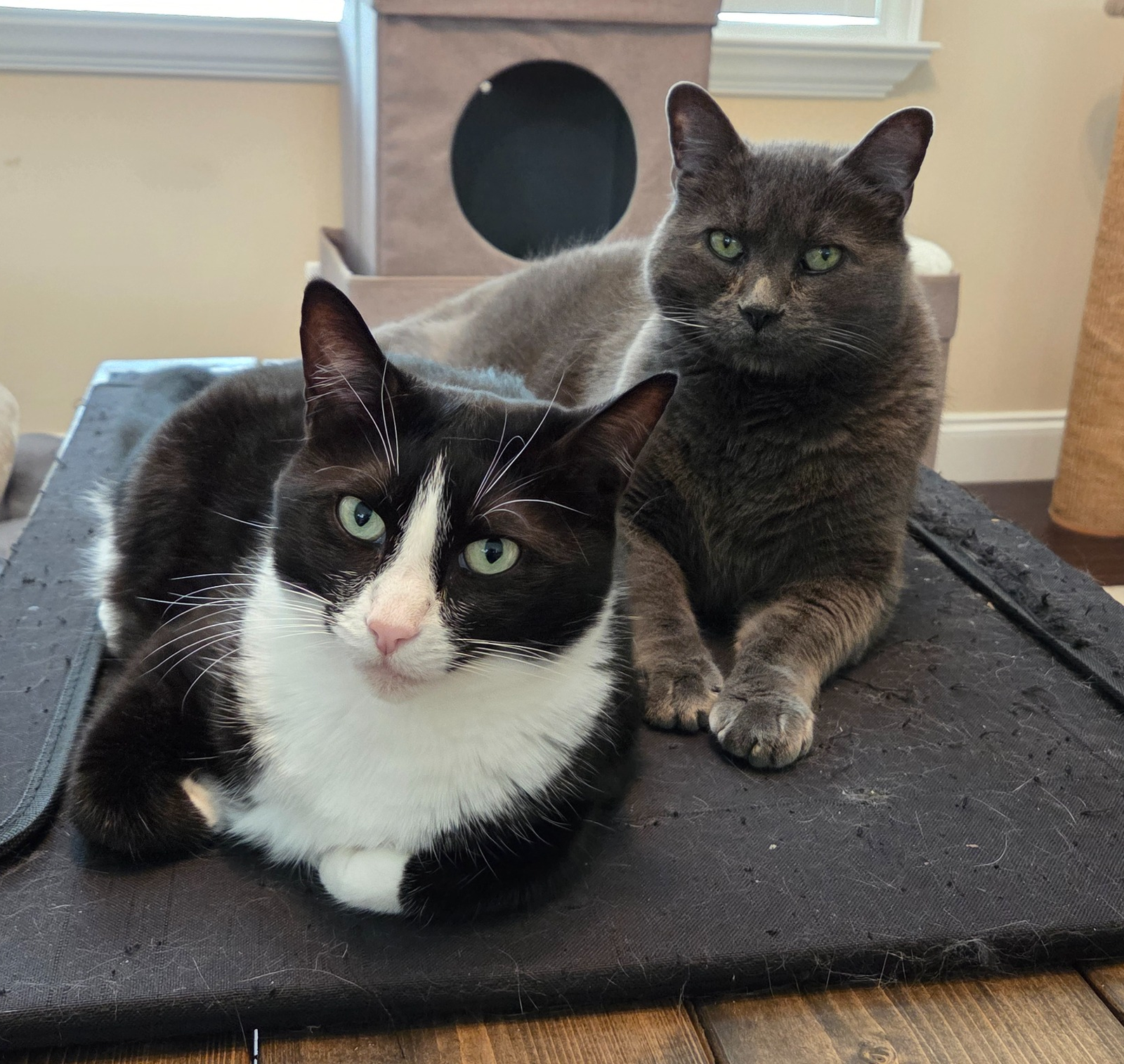
Debbie Reid is the founder and chief editor of CatPedia.net, with over 25 years of hands-on experience in feline care, rescue, and behavior research. Inspired by her rescue cats Snickers and Bigboy, she collaborates with animal welfare resources and consults veterinary literature to turn complex feline health, nutrition, and behavior topics into clear, actionable guides.