There are few cat sounds more comforting than a steady purr. One minute your cat is minding their business, and the next they are curled up next to you, vibrating like a tiny fuzzy engine. It feels like a clear message: “I’m happy.”
Most of the time, that is true. But purring is not always just about happiness. Cats can purr when they are relaxed, when they want attention, and sometimes even when they are stressed or not feeling well.
Why Do Cats Purr?
Cats purr for a mix of emotional, social, and physical reasons, including:
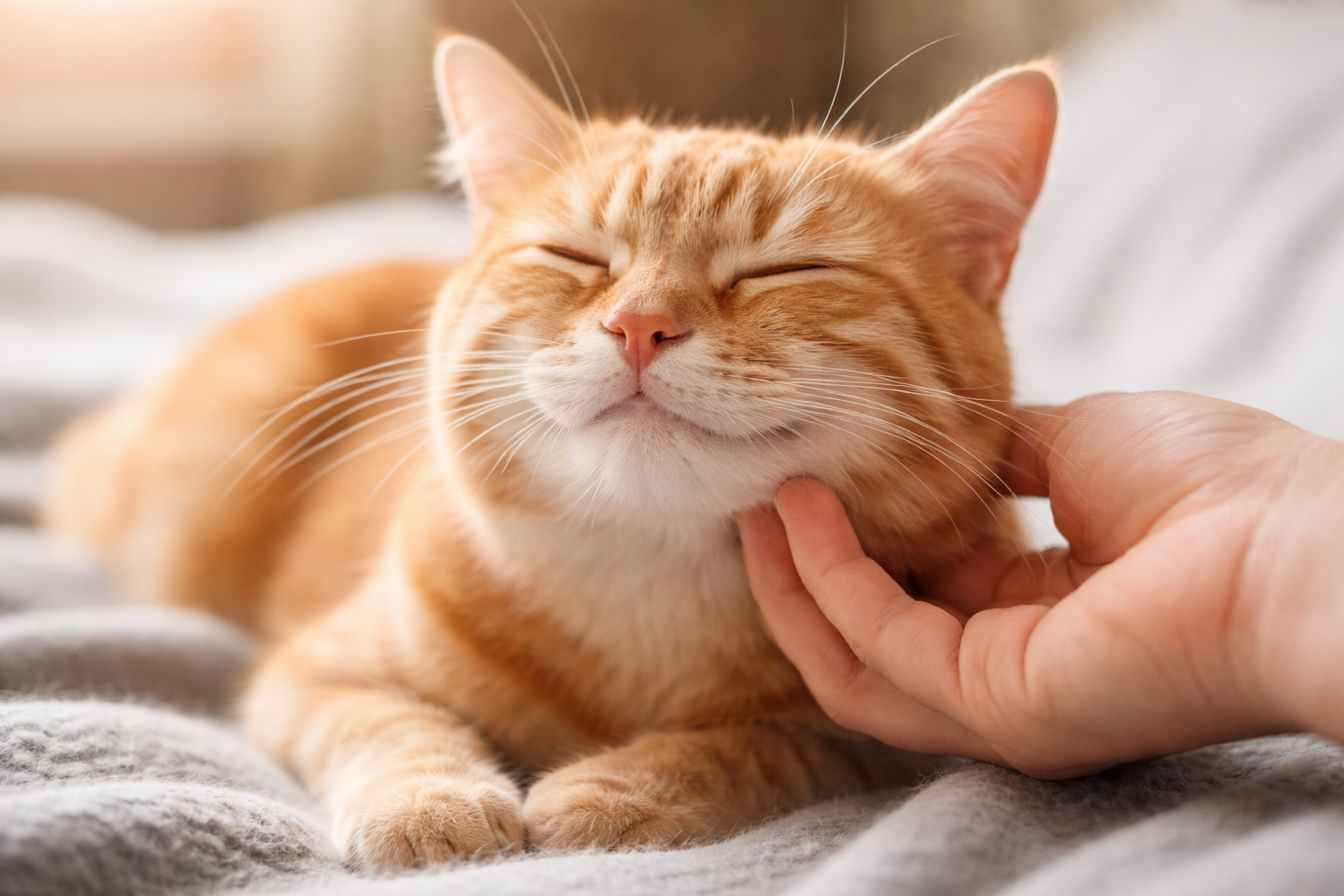
- They feel safe and content. A relaxed cat resting in a cozy spot will often purr on their own. This is the version of purring most people recognize.
- They are bonding or greeting. Cats may give a short purr when they walk up to you, another cat, or their kittens. It works like a friendly hello.
- They want attention, food, or affection. Many cats learn that purring brings cuddles, treats, or play. Some even develop a special “solicitation purr” that has a faster, higher-pitched edge designed to catch human attention.
- They are self-soothing through stress, fear, or pain. Cats may purr at the vet, during a thunderstorm, or after an injury. The steady rhythm seems to help them cope when something feels off.
- Purring may have a physical comfort effect. Cat purrs often fall in a low-frequency range, and some research has looked at whether those vibrations could relate to bone or tissue repair. The science is still developing, but it may help explain why cats sometimes purr when they are hurt or recovering.
Why Do Cats Purr When You Pet Them?
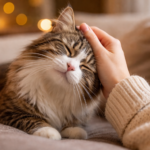
If your cat purrs when you pet them, it usually means the touch feels good and they feel comfortable with you. Petting can trigger a purr the same way a cozy blanket or warm lap can: your cat is relaxed, settled, and enjoying the moment.
Purring can also become part of the routine between you. Some cats learn that a purr keeps the attention going, so they start rumbling as soon as you sit down, reach toward them, or scratch the spot they like best.

Why Would a Cat Purr When Something Is Wrong?
This is the part that surprises many cat parents. Purring is not always a happy sound. Cats may also purr when they are scared, stressed, or in pain, which is why you might hear it at the vet, during fireworks, or after a fall.
Many experts believe purring can work as a kind of self-soothing, similar to kneading. The steady rhythm may help a cat feel calmer when something is uncomfortable or frightening. The sound feels positive, but the situation may not be.
The difference usually shows up in the rest of your cat’s body. A relaxed purr comes with soft eyes, loose muscles, and easy breathing. A stressed or pain-related purr looks different: crouched posture, pinned ears, a twitching tail, dilated pupils, or a body that feels tense even when your cat is sitting still.
When purring should prompt a vet visit
Consider checking in with your vet if your cat is purring more than usual and you also notice any of these:
- Not eating or drinking normally
- Hiding more than usual
- Limping, stiffness, or trouble jumping
- Vomiting or diarrhea that does not improve
- Breathing changes, open-mouth breathing, or panting
- Sudden behavior changes, crankiness, or unusual quietness
Can Cats Control Their Purring or Is It Automatic?
Purring is closely tied to the brain and nervous system, which means emotions can trigger it without a cat making a conscious choice. When a cat feels safe, comforted, or deeply relaxed, purring may start automatically, especially during rest or sleep.
At the same time, many cats seem able to start purring on purpose in certain situations, like when they want attention or food. You might notice purring begin the moment you stand up, open a treat drawer, or sit down on the couch. So the honest answer is: a bit of both.
How Do Cats Purr?
Purring is more unusual than it sounds. Many vocal sounds happen on the exhale, but cats can purr on both the inhale and the exhale, which gives the sound its steady, unbroken, motor-like quality.
The vibration starts in the brain. A small cluster of nerves called the neural oscillator sends rhythmic signals down to the muscles in the larynx, also known as the voice box. Those muscles open and close the gap between the vocal folds about 20 to 30 times per second. As air passes through that rapidly moving gap, it produces the soft rumble we recognize as a purr.
What If My Cat Purrs All the Time?
Some cats are simply big purrers. They purr when you walk into the room, when they hop on the bed, and even when you talk to them. Social and confident cats tend to be more expressive, and purring is one of the easiest ways for them to show it.
What matters most is whether anything has changed. If your cat has always been a “purr machine,” it is probably just who they are. If your cat suddenly starts purring much more than usual and seems off in other ways, that is when it makes sense to pay closer attention.
Do Kittens Purr for the Same Reasons as Adult Cats?
In many ways, they do. Kittens start purring within their first few days to weeks of life, usually while nursing or curled up close to their mother. From very early on, purring helps them bond and feel safe.
Kittens may also purr to calm themselves when something feels unfamiliar. New sounds, new smells, and new routines can be a lot to take in, and purring may help them relax as they adjust.
Should You Ever Worry About Purring?
Most of the time, purring means your cat feels comfortable. The times it signals something else are the exception, not the rule.
When something feels off, trust your instincts. You know your cat better than anyone else does, and it’s always worth checking in with your veterinarian if you are unsure.
Frequently Asked Questions
Do cats purr only when they are happy?
No. While purring often signals contentment, cats also purr when they are anxious, stressed, in pain, or self-soothing. Looking at body language and context is the best way to tell what the purr really means.
Can cats purr while they sleep?
Yes. Many cats purr while dozing or in light sleep, especially when they feel safe and comfortable. The relaxed state often triggers purring without the cat doing anything consciously.
Why does my cat purr so loudly?
Some cats are simply louder than others. Purr volume depends on personality, breed, body size, and how relaxed your cat is in the moment. As long as the loud purring matches happy, relaxed body language, it is usually nothing to worry about.
Why do cats purr and knead at the same time?
Kneading and purring are both behaviors that start in kittenhood, often during nursing. Many adult cats keep the habit and pair the two whenever they feel especially content.
Do all cats purr?
No. Not all wild cats purr, but all domestic cats do. Big cats like lions and tigers can’t purr because their voice boxes are built for roaring. Smaller wild cats like cheetahs and lynxes can purr, but they can’t roar.
Debbie Reid is the founder and chief editor of CatPedia.net, with over 25 years of hands-on experience in feline care, rescue, and behavior research. Inspired by her rescue cats Snickers and Bigboy, she collaborates with animal welfare resources and consults veterinary literature to turn complex feline health, nutrition, and behavior topics into clear, actionable guides.