Cats like music, but not usually the music we play. Research shows they respond more clearly to sounds built around their own hearing range and natural communication, while most human songs get little reaction from them.
How Cats Hear Compared to Humans
A cat’s hearing range runs from about 48 Hz to 85,000 Hz. Humans top out around 20,000 Hz, so cats can hear much higher-pitched sounds than we can.
Cats also have 32 muscles in each outer ear, compared to six in humans. Those cone-shaped ears can rotate independently and amplify sound by two to three times. They can pinpoint exactly where a sound is coming from in a way we can’t.
Human music is built for human ears. Its frequencies, rhythms, and volume shifts are meant to register with us, not with a cat’s hearing system. That mismatch can make certain music uninteresting and other music overwhelming. At high volumes, bass vibrations may be felt through a cat’s body and whiskers, which can make the sound uncomfortable.
What the Research Shows
A study published in Applied Animal Behaviour Science by University of Wisconsin psychologists Megan Savage and Charles Snowdon tested 47 domestic cats with two types of audio: standard human songs and music composed specifically around feline communication frequencies. The cat-specific tracks swapped the typical drumbeat for purring tempos and used sounds within the range cats naturally produce and respond to.
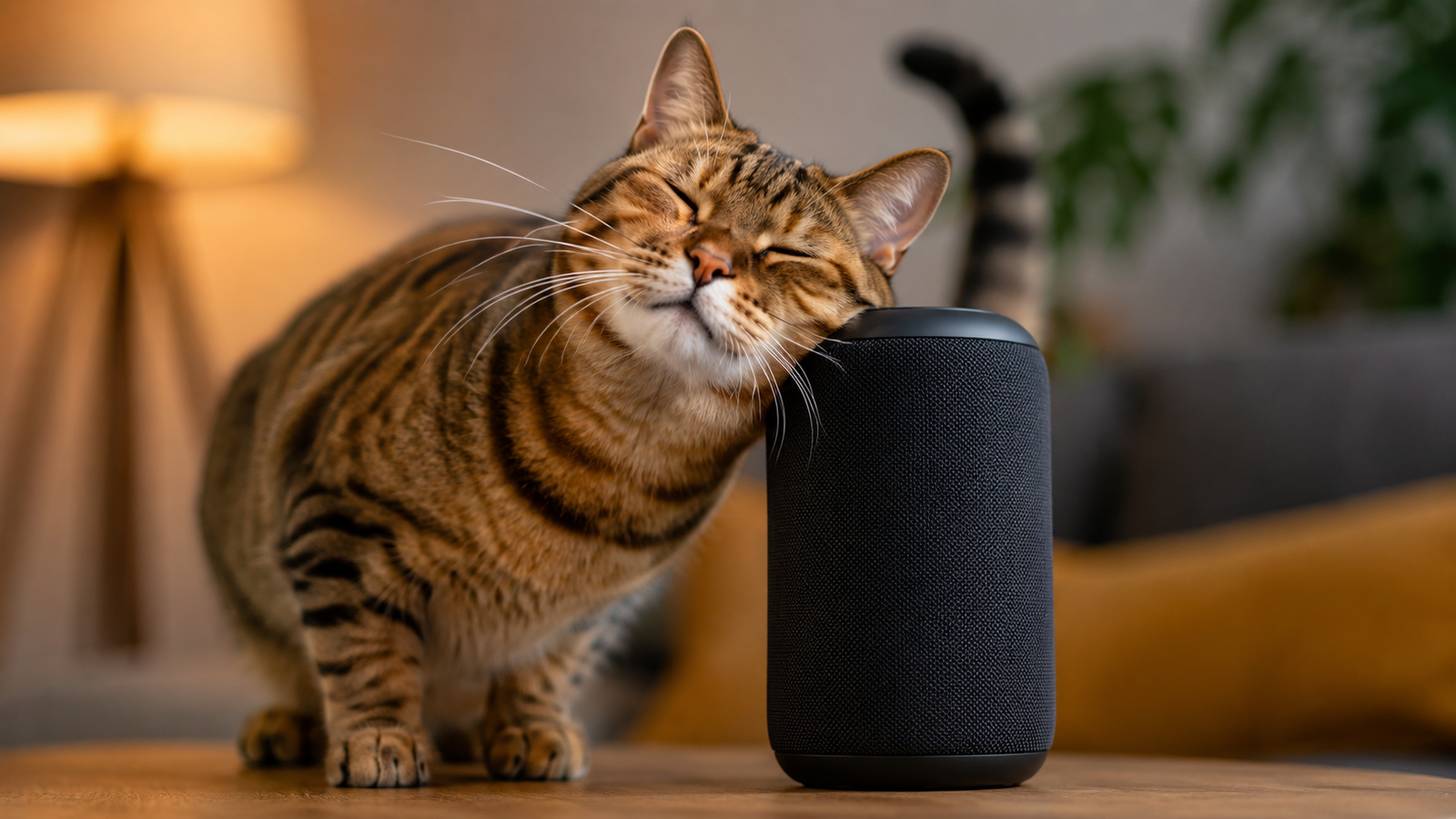
The cats showed a clear preference for the species-appropriate music. They moved toward the speakers, rubbed against them, and oriented toward the sound. The human songs, including classical pieces by Bach and Fauré, got almost no response at all. The study also found younger and older cats reacted more strongly than middle-aged cats.
A 2019 study from Louisiana State University’s School of Veterinary Medicine added another piece: cats had lower behavioral stress and handling scores during veterinary exams when cat-specific music was played.
What Is Cat-Specific Music?
The concept was developed by David Teie, a cellist with the National Symphony Orchestra, working alongside the University of Wisconsin researchers. The tracks are built around sounds cats already associate with safety: purring, suckling rhythms, bird chirps, and tonal ranges within their natural hearing frequency.
Teie’s project, Music for Cats, is available on his website and on Spotify. Spotify also hosts a pet playlist called Mellow Meowsic built on similar principles. Relax My Cat offers playlists targeting specific situations, including anxiety, thunderstorms, and newly adopted cats.
Some animal shelters use cat-specific music as a behavioral cue, playing it before positive interactions so cats begin associating the sound with something good. That same approach can work at home with a shy or newly adopted cat.
Does Classical Music Help?
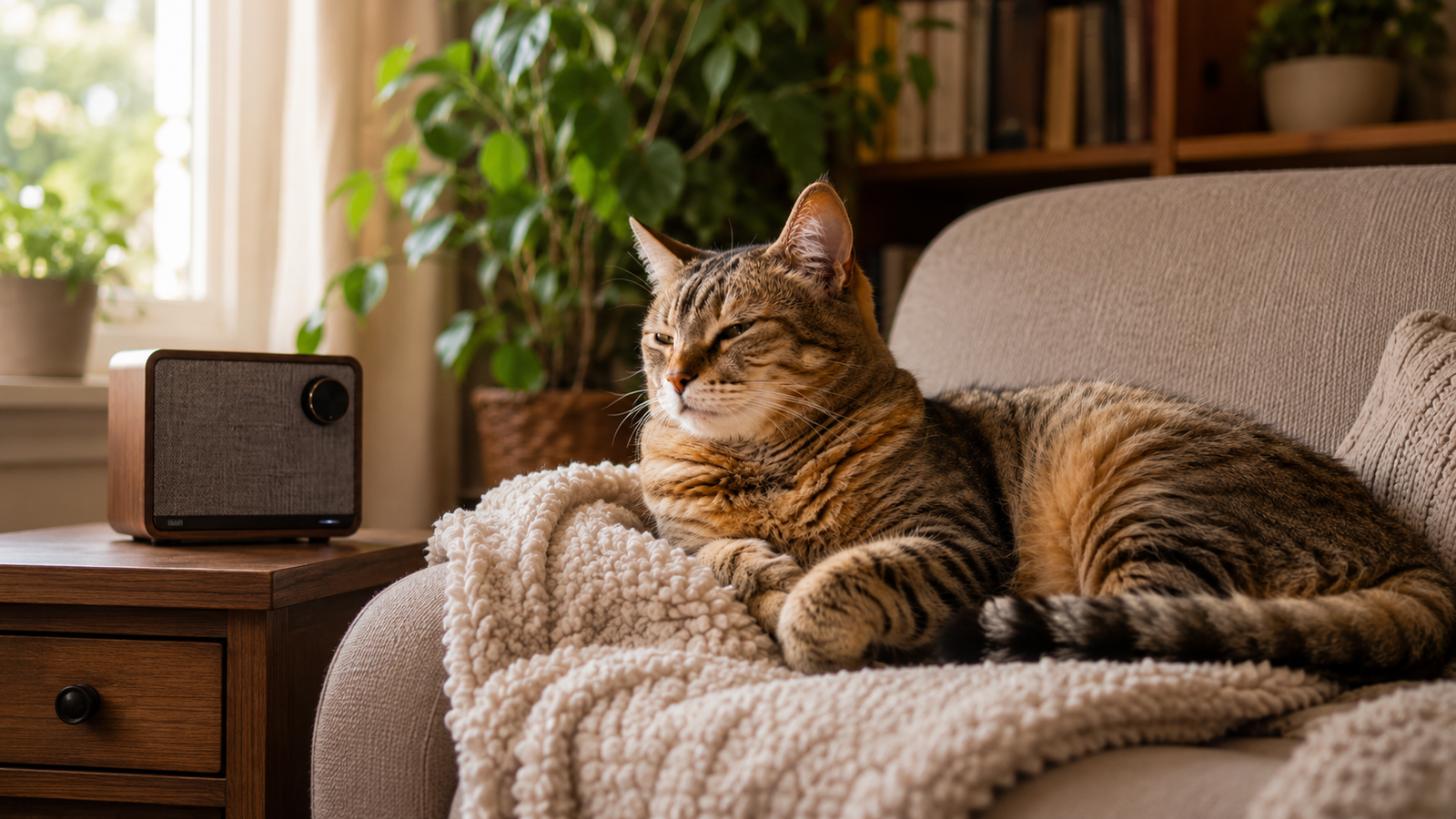
Classical music sits in the middle. It won’t engage a cat the way species-specific music does, but it tends not to stress them either. Soft classical has shown a mild calming effect in some cats, likely because the frequencies are gentler and the dynamic range less aggressive than most other genres.
It’s less about cats appreciating Bach and more about classical music being inoffensive to their ears at reasonable volume.
What Music Stresses Cats Out
Heavy bass is the main issue. Cats may feel low-frequency vibrations through their body and whiskers as well as hear them, so loud, thumping bass can become physically uncomfortable, not just noisy. Heavy metal, loud electronic music, and anything played at high volume tend to produce the same result: ears back, a low crouch, hiding, or a quick exit.
Volume matters on its own too. Their hearing is much more sensitive than ours, so what sounds moderate to you may be genuinely overwhelming to a cat.
How to Tell If Your Cat Likes What You’re Playing
The signals are fairly clear. A cat that’s comfortable with the sound may move toward it, rub against the speaker, settle in nearby, or just stay put and relax. A stressed cat will pin their ears back, crouch, hide, or leave.
Indifference is its own answer. Most cats won’t respond strongly to human music in either direction — they’ll simply tune it out.
Should You Leave Music on When You’re Away?
Many owners leave the TV or radio on for background noise. Whether that helps depends on what’s playing. Loud music, news coverage, or anything with unpredictable spikes in volume may add stress rather than relieve it. A quiet classical station or a playlist made for cats is a better option if the goal is to keep your cat calm while you’re out.
If you want to try music for your cat, start with cat-specific tracks or soft classical at a low volume. Then watch how your cat responds. Moving closer, relaxing, or settling nearby is a good sign. Leaving the room is an answer too.
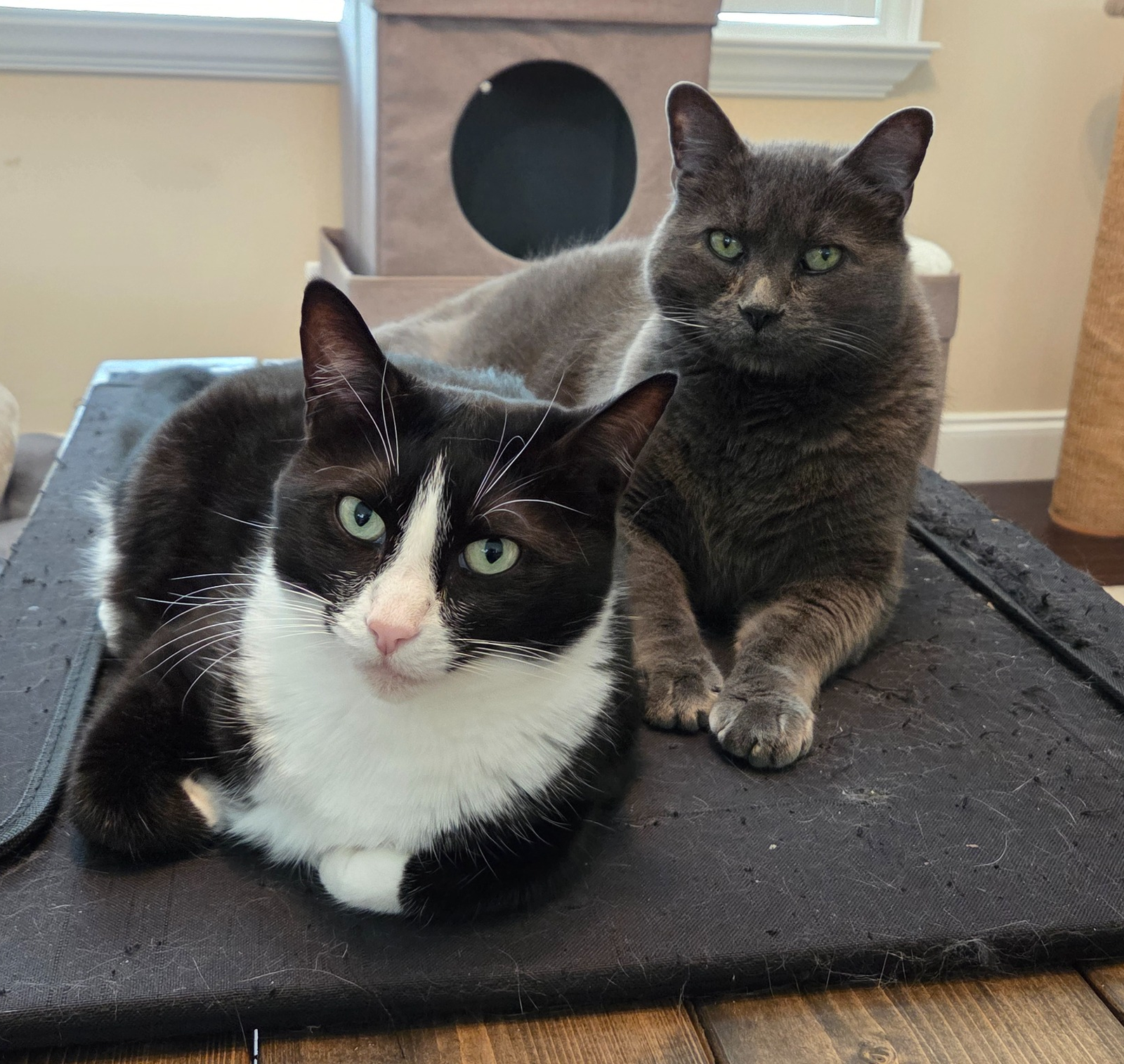
Debbie Reid is the founder and chief editor of CatPedia.net, with over 25 years of hands-on experience in feline care, rescue, and behavior research. Inspired by her rescue cats Snickers and Bigboy, she collaborates with animal welfare resources and consults veterinary literature to turn complex feline health, nutrition, and behavior topics into clear, actionable guides.