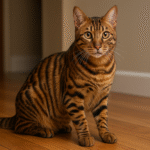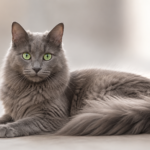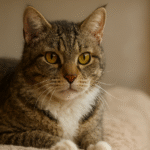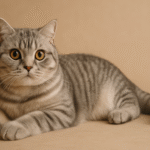
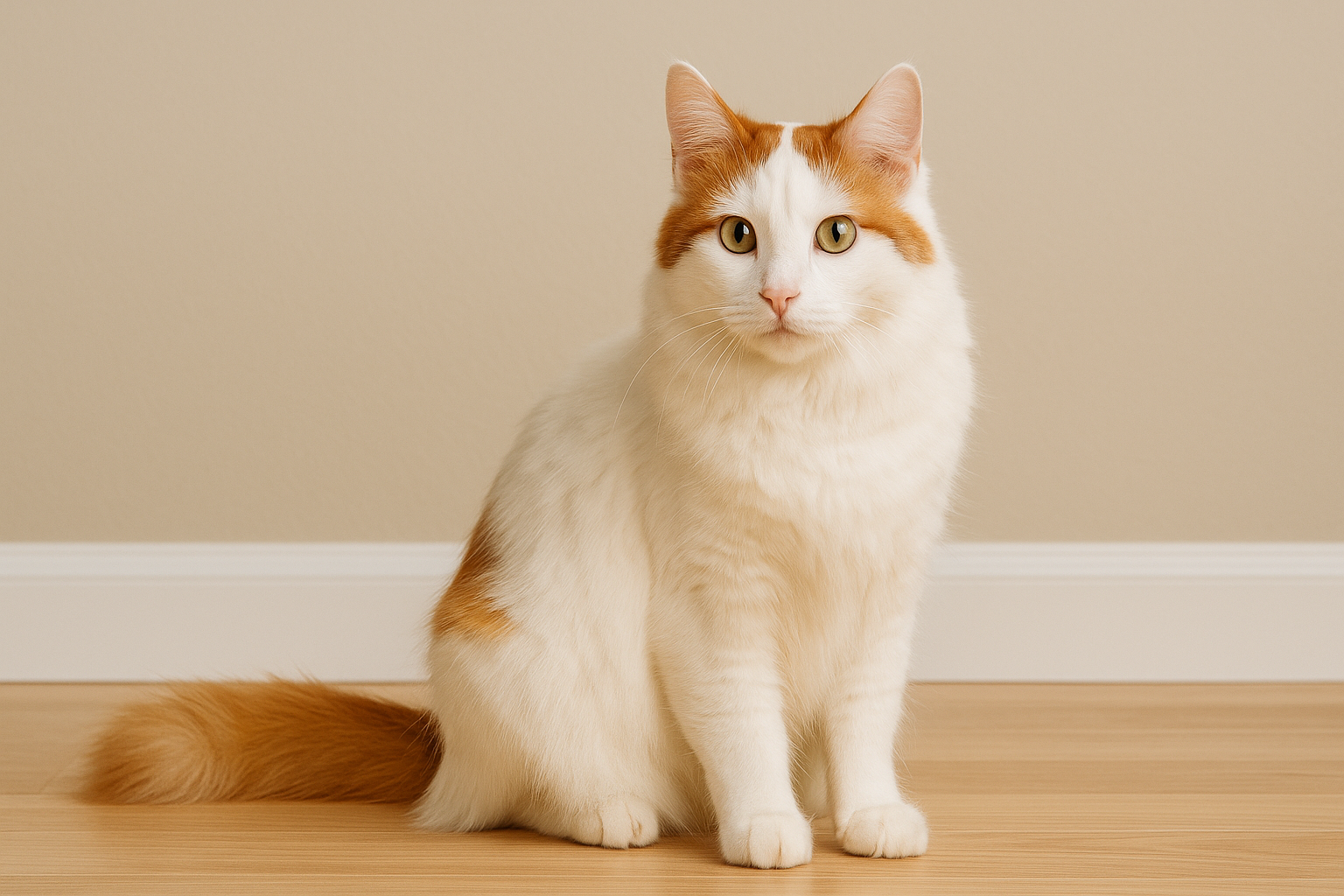
With its striking white coat and signature splashes of color, the Turkish Van is instantly recognizable. But it’s their unusual love of water that really sets them apart.
Sometimes called the “swimming cat,” this rare breed from Turkey has a playful spirit and a loyal heart. If you’re looking for a cat with personality to spare and a soft spot for splashing in the sink, the Turkish Van might just steal yours.
Quick Breed Facts
- Origin: Turkey (Lake Van region)
- Breed registries: CFA, TICA, FIFe, GCCF
- Weight range: 7–13 pounds
- Lifespan: 12–17 years
- Coat: Semi-longhaired, water-resistant
- Colors and patterns: White body with color on head and tail (Van pattern)
- Eye color: Amber, blue, or odd-eyed
- Grooming: Low to moderate maintenance
- Activity level: High
- Affection level: High
- Vocality: Moderate
- Good with children: Yes
- Good with other pets: Usually, with proper introduction
History & Origin
The Turkish Van has deep roots in the rugged Lake Van region of eastern Turkey. These cats were likely naturally occurring in the area for centuries, but it wasn’t until the 1950s that the breed caught the attention of Western cat fanciers. British breeders Laura Lushington and Sonia Halliday first brought a pair of Vans back to England, captivated by their unusual swimming habits and striking coats.
What makes the Turkish Van truly distinct is its unique Van pattern: a mostly white body with colored markings only on the head and tail. The breed was officially recognized by TICA in the 1970s and the CFA in 1988. Despite its growing popularity, the Turkish Van remains relatively rare outside of Turkey, where it’s considered a national treasure known as the “Van Kedisi”.
Personality & Temperament
Playful, bold, and sometimes a bit mischievous, the Turkish Van has a personality as vivid as its looks. They are highly intelligent and curious cats that enjoy interactive toys, climbing challenges, and even opening doors or cabinets if it means satisfying their curiosity.
These cats often form strong bonds with their families and can be quite affectionate, but usually on their own terms. While they may not be classic lap cats, many Vans love to sit near you, follow you around the house, and engage in daily rituals like greeting you at the door. They’re known to be good with respectful kids and other pets, especially when socialized early.
Appearance & Coat
The Turkish Van has a muscular, athletic build with a broad chest and strong legs, built for leaping and play. Their semi-long, cashmere-soft coat is unusually water-resistant, which ties into their famous love of water. Unlike many longhaired cats, their coat lacks an undercoat, making it less prone to matting.
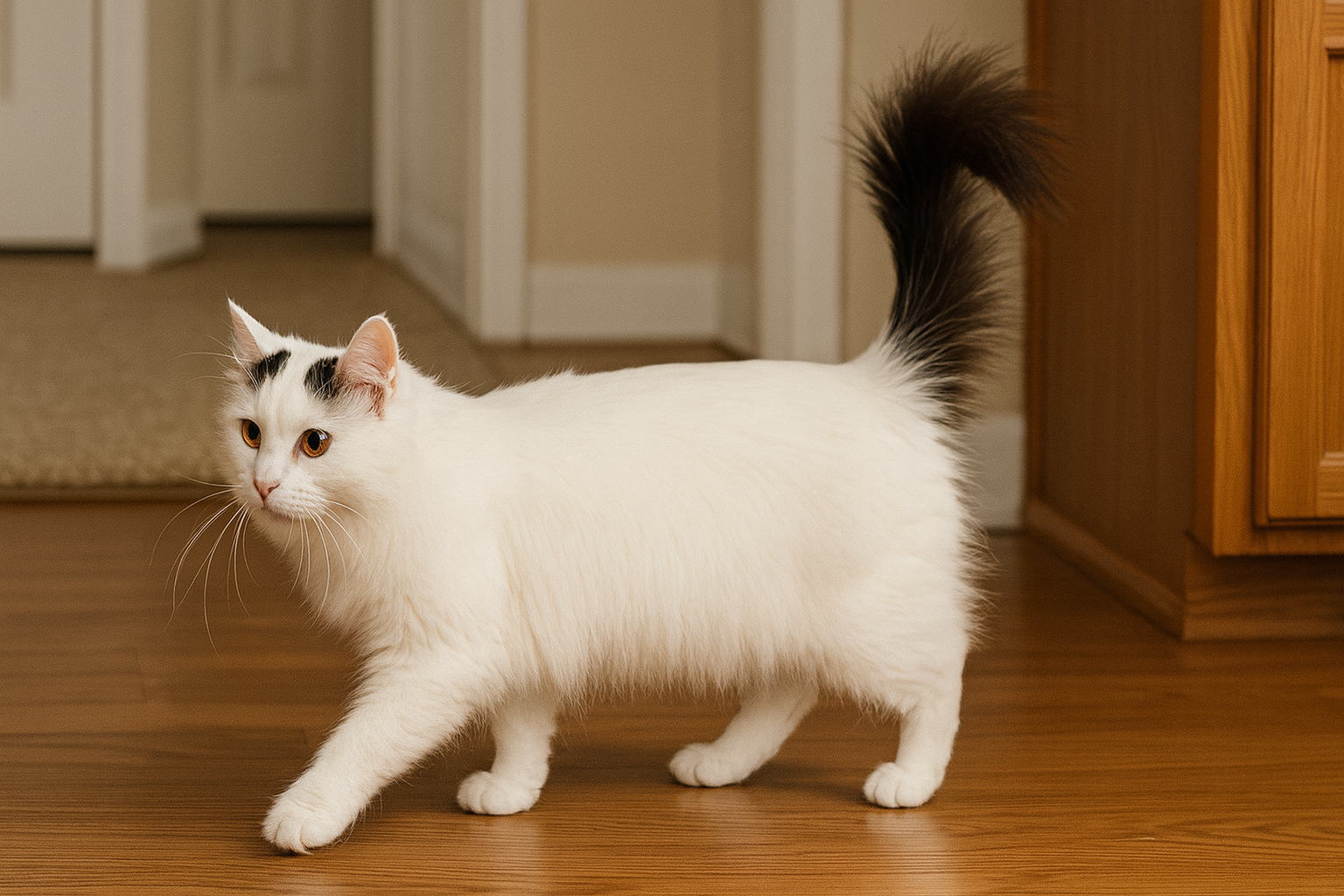
The breed standard emphasizes the classic Van pattern: a snowy white body with clearly defined color patches on the head (often forming a symmetrical “cap”) and a fully colored tail. Common colors include red, cream, black, and blue, with tabby variations also accepted. Some Turkish Vans have odd-colored eyes (one blue, one amber), which is especially prized in Turkey.
Activity & Play
If you’re looking for a couch potato, the Turkish Van may not be your match. These cats are natural athletes with endless energy and a serious case of the zoomies. They love to jump to high places, explore new spaces, and, of course, play in water. From splashing in a tub to dipping their paws in a water bowl, water play is one of their trademarks.
Because of their active nature, Turkish Vans need plenty of enrichment, especially vertical spaces like cat trees and window perches. They thrive in homes where play and interaction are part of the daily routine.

Grooming & Shedding
Despite their fluffy appearance, Turkish Vans are fairly easy to maintain. Their single-layer, semi-long coat resists tangling and doesn’t mat easily. A once-a-week brushing is usually enough to remove loose hairs and keep their coat looking plush.
They shed more in spring and fall, so a bit of extra grooming during those periods helps. Because of their interest in water, some Turkish Vans may tolerate or even enjoy an occasional bath—a rarity in the cat world!
Health & Lifespan
Turkish Vans are generally a healthy and robust breed, with an average lifespan of 12 to 17 years. They aren’t known for many breed-specific issues, but it’s always wise to choose a reputable breeder who screens for common feline conditions like hypertrophic cardiomyopathy (HCM).
Regular vet checkups, dental care, vaccinations, and a balanced diet will go a long way in keeping your Van happy and healthy for years to come.
Family Compatibility
These cats tend to do well in households with respectful children, other cats, or even cat-friendly dogs. Their loyal and social nature makes them ideal companions for families who want a playful but people-oriented pet.
Just be sure to give them space when they need it. Turkish Vans are affectionate, but not always clingy—they’ll likely curl up near you, but not necessarily on you.
Recommended Supplies
To meet the needs of a Turkish Van, focus on products that stimulate their mind, encourage activity, and support their unique grooming needs. These cats thrive when they have opportunities to climb, jump, and explore, so filling your home with the right kinds of enrichment is key.
Think tall cat trees, interactive toys, puzzle feeders, and a comfy bed for post-play naps. Regular grooming tools like a slicker brush will also help keep their plush coat in top condition—especially during seasonal shedding months.

Turkish Van Cat FAQs
Are Turkish Vans really good swimmers?
Yes! Turkish Vans are famously fond of water. Many enjoy splashing in sinks, bathtubs, or even swimming under supervision.
Are Turkish Vans hypoallergenic?
No, they are not hypoallergenic, but their single-layer coat may produce fewer allergens than dense double-coated breeds.
How much does a Turkish Van cat cost?
Expect to pay anywhere from $400 to $1,200 depending on the breeder, lineage, and location. Odd-eyed or rare-colored kittens may cost more.
Do Turkish Vans get along with dogs?
Usually, yes! Turkish Vans are social and can bond with dogs if introduced slowly and respectfully.
What is the lifespan of a Turkish Van?
Most live between 12 and 17 years with proper care and regular veterinary checkups.
Is the Turkish Van Cat Right for You?
If you’re enchanted by the idea of a water-loving cat with smarts, energy, and striking good looks, the Turkish Van could be your perfect match. They’re not just pretty faces—they’re interactive, people-oriented companions that bring joy, mischief, and plenty of purrs into a home.
Just be ready to share your bathtub.
Debbie Reid is the founder and chief editor of CatPedia.net, with over 25 years of hands-on experience in feline care, rescue, and behavior research. Inspired by her rescue cats Snickers and Bigboy, she collaborates with animal welfare resources and consults veterinary literature to turn complex feline health, nutrition, and behavior topics into clear, actionable guides.