Cats are usually drawn to foods that smell meaty, rich, and fresh, but flavor is only part of it. Texture, temperature, and even bowl shape can all play a role in whether a cat eats or walks away.
What Foods Do Cats Like to Eat?
- Cooked meat: chicken, turkey, beef, and lamb often get a cat’s attention, especially when they are warm and fragrant
- Fish: tuna and salmon have a strong smell that many cats find hard to ignore
- Organ meats: liver and kidney have a rich, distinctive smell that many cats respond to
- Cooked eggs: cats are often drawn to the smell and soft texture of egg
- Meat juices and broth: savory liquids can appeal to cats that prefer licking rather than chewing
- Milk and cream: some cats are drawn to the rich smell and taste of dairy
- Butter and fat: the high fat content and rich smell attract cats, similar to what draws them to meat drippings
Why Texture Matters as Much as Flavor
Two cats can love the same protein and still disagree on how it should be served. Some prefer smooth pâté that is easy to lick. Others want shreds, flakes, or chunks in gravy. Dry food appeals to cats that enjoy crunch, while freeze-dried meat has a lighter, crisp texture.
Texture preferences often form early in life. A cat raised on pâté may be suspicious of chunky food, while a lifelong kibble eater may not recognize wet food as something worth eating.
Do Cats Prefer Wet or Dry Food?
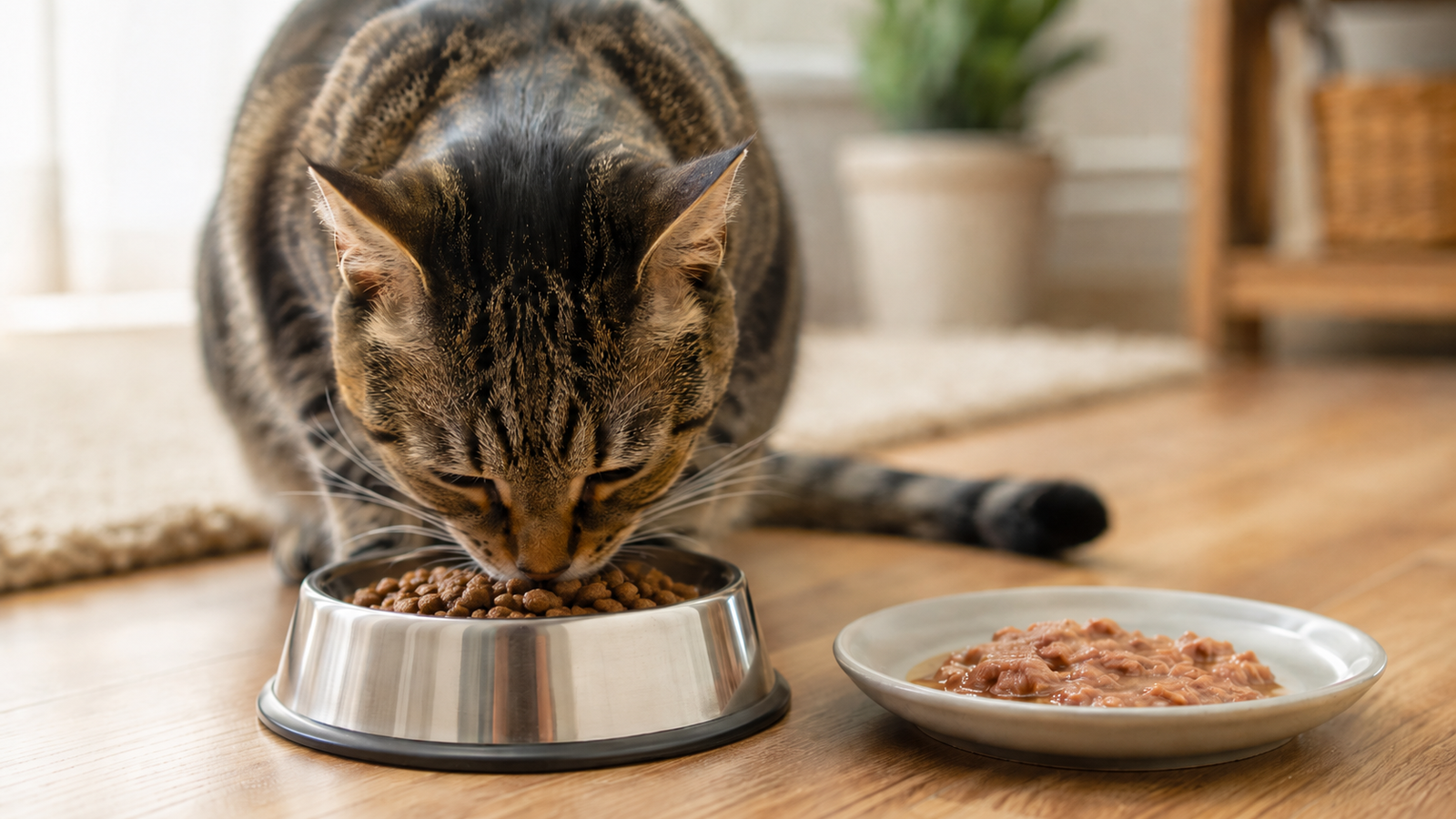
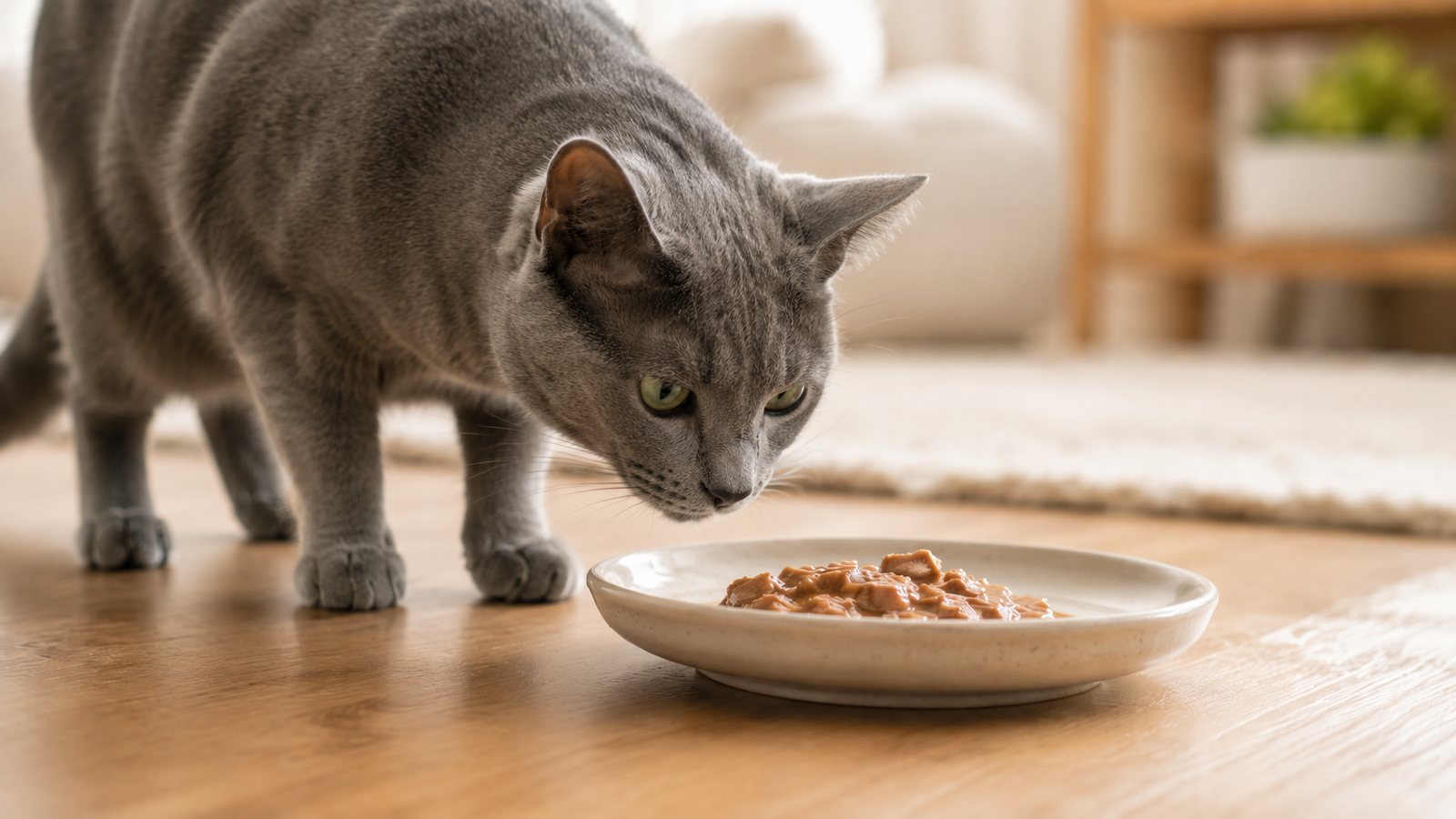
Many cats prefer wet food because it smells stronger and has a soft texture. It may also be easier to eat for cats with sore teeth or gums. Other cats prefer the crunch and familiar texture of dry food.
Some cats happily eat both wet and dry food, while others strongly favor one. What they ate early in life often has a lasting effect on which type feels familiar.
What Treats Do Cats Like?
Many cats like freeze-dried meat, lickable purées, soft meat treats, and crunchy treats. Strong smells usually get their attention first, while texture often determines which type they prefer.
Do Cats Like Milk?
Many cats do like the smell and taste of milk and cream, which is why they may beg for a sip. But liking dairy does not mean they can digest it well. Many adult cats have trouble with lactose, and cow’s milk may cause gas, diarrhea, or stomach discomfort.
Cat-safe lactose-free milk can be offered as an occasional treat, but fresh water should remain their main drink.
Why Cats Get Picky About Food
A cat that loved a food last week may refuse it today. Food served too cold, a dirty bowl, a recipe change, a noisy feeding area, competition from another pet, stress, dental pain, or nausea can all affect whether a cat eats.
If your cat suddenly goes off a food they normally like, something in their environment or health may have changed. Persistent picky eating paired with weight loss deserves a vet visit.
Finding What Your Cat Likes
Most cats make their preferences clear once you pay attention to what they finish and what they leave behind. Smell tends to drive initial interest, texture determines whether they keep eating, and early experience shapes what feels familiar.
Debbie Reid is the founder and chief editor of CatPedia.net, with over 25 years of hands-on experience in feline care, rescue, and behavior research. Inspired by her rescue cats Snickers and Bigboy, she collaborates with animal welfare resources and consults veterinary literature to turn complex feline health, nutrition, and behavior topics into clear, actionable guides.