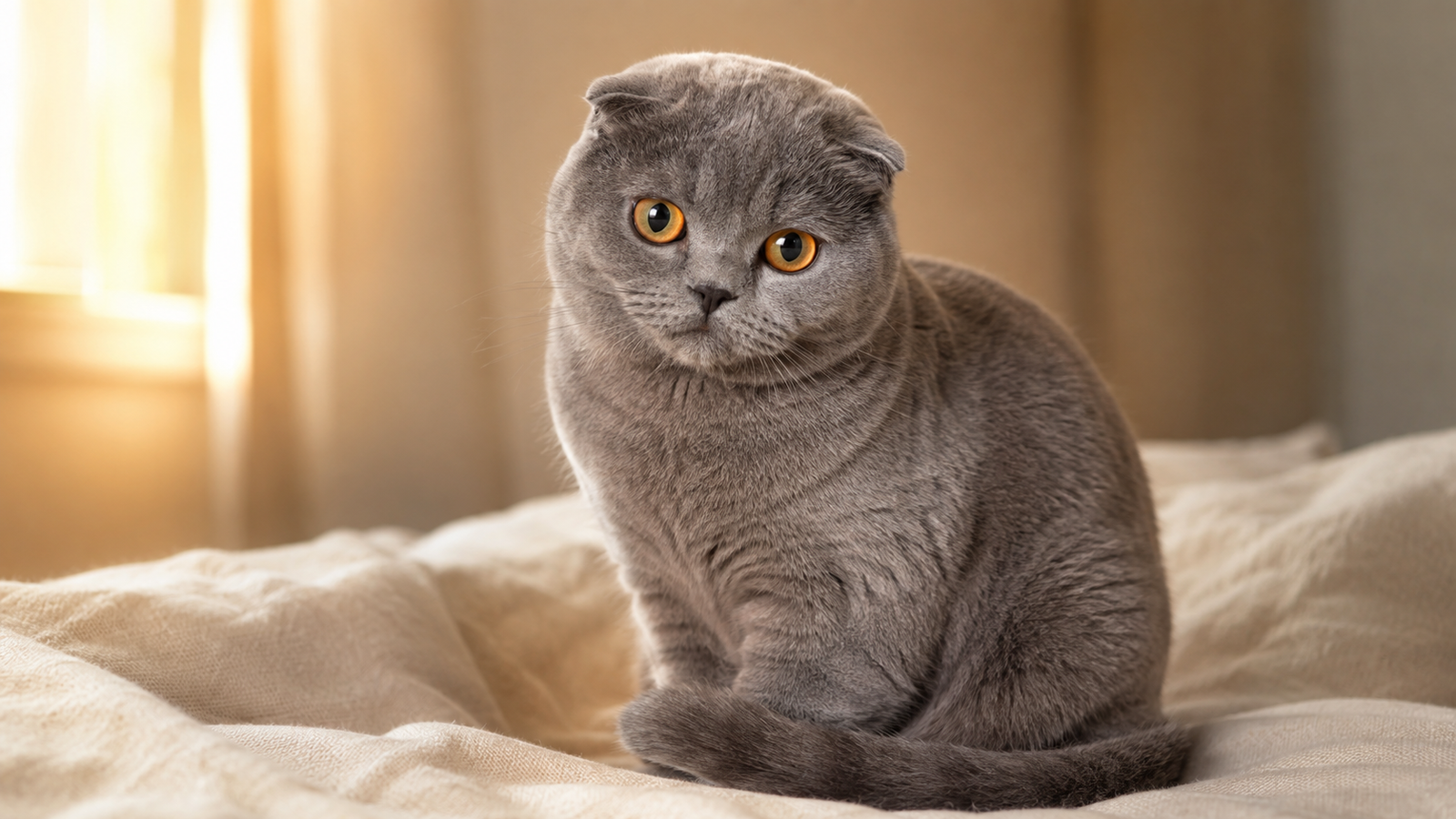
Scottish Folds are easy to spot by their folded ears, round face, and large expressive eyes. They’re calm, quiet cats with a moderate activity level that do well in apartments and family homes alike.
The breed comes with a serious health consideration, though. The gene that folds the ears also affects cartilage throughout the body, causing a skeletal condition called feline osteochondrodysplasia (FOCD) in every folded-ear cat. Severity varies, but the risk is built into the breed. Here’s what to know about their personality, care, health, lifespan, and cost.
Quick Breed Facts
- Origin: Scotland
- Breed registries: CFA, TICA, ACFA (not recognized by GCCF or FIFe due to welfare concerns)
- Weight range: 9–13 lbs (males), 6–9 lbs (females)
- Height: 8–10 inches
- Lifespan: 11–15 years
- Coat: Short or long (longhaired variety called the Highland Fold)
- Colors and patterns: All colors and patterns accepted
- Eye color: Copper, gold, green, blue, or odd-eyed
- Grooming: Weekly brushing for shorthairs, more often for longhairs
- Activity level: Low to moderate
- Affection level: High
- Vocality: Quiet and soft-spoken
- Good with children: Yes
- Good with other pets: Yes
History & Origin of the Scottish Fold
The Scottish Fold traces back to a single cat named Susie, a white barn cat born in 1961 on a farm in the Tayside region of Scotland. A shepherd named William Ross noticed her unusual folded ears and, together with his wife Mary, acquired one of her kittens after Susie had a litter. That kitten, Snooks, was later bred to a British Shorthair and produced folded-eared kittens of her own, confirming the trait was heritable. The fold comes from an autosomal dominant gene that affects cartilage development, so only one parent needs to carry it for some kittens in the litter to inherit the trait.
Ross registered the breed with the UK’s Governing Council of the Cat Fancy (GCCF) in 1966. Within a decade the breed had spread to the United States, where it was developed further using American Shorthair and British Shorthair outcrosses to build genetic diversity. The CFA and TICA both recognized the breed. In the UK, however, the GCCF withdrew recognition in 1971 after veterinarians raised concerns that the fold gene was linked to progressive skeletal disease. FIFe has never recognized the breed for the same reason. That split in recognition is unusual among pedigreed cats and reflects an ongoing debate about the ethics of breeding for the fold trait.
Scottish Fold Personality & Temperament
Scottish Folds are quiet, gentle cats that bond closely with their people without being clingy. They’ll often follow you from room to room and settle nearby, but they’re not usually lap cats, and they won’t push for attention. Their voices are soft and they rarely use them, which makes them a natural fit for apartments and quieter households.
They usually adjust well to visitors and everyday changes around the home. One well-known quirk is the “Buddha sit,” where they perch upright with their back legs stretched straight out in front, a bit like a person sitting on the floor. The pose is often just a comfortable resting position, but in some cats it can also be a way of easing pressure on joints affected by the breed’s cartilage condition.
Scottish Fold Appearance & Physical Traits
Scottish Fold kittens are born with straight ears. The fold develops at around three to four weeks of age in cats that carry the gene, and kittens from the same litter that don’t inherit it are called Scottish Straights. The fold can range from a loose single fold to a tight triple fold pressed flat against the head.
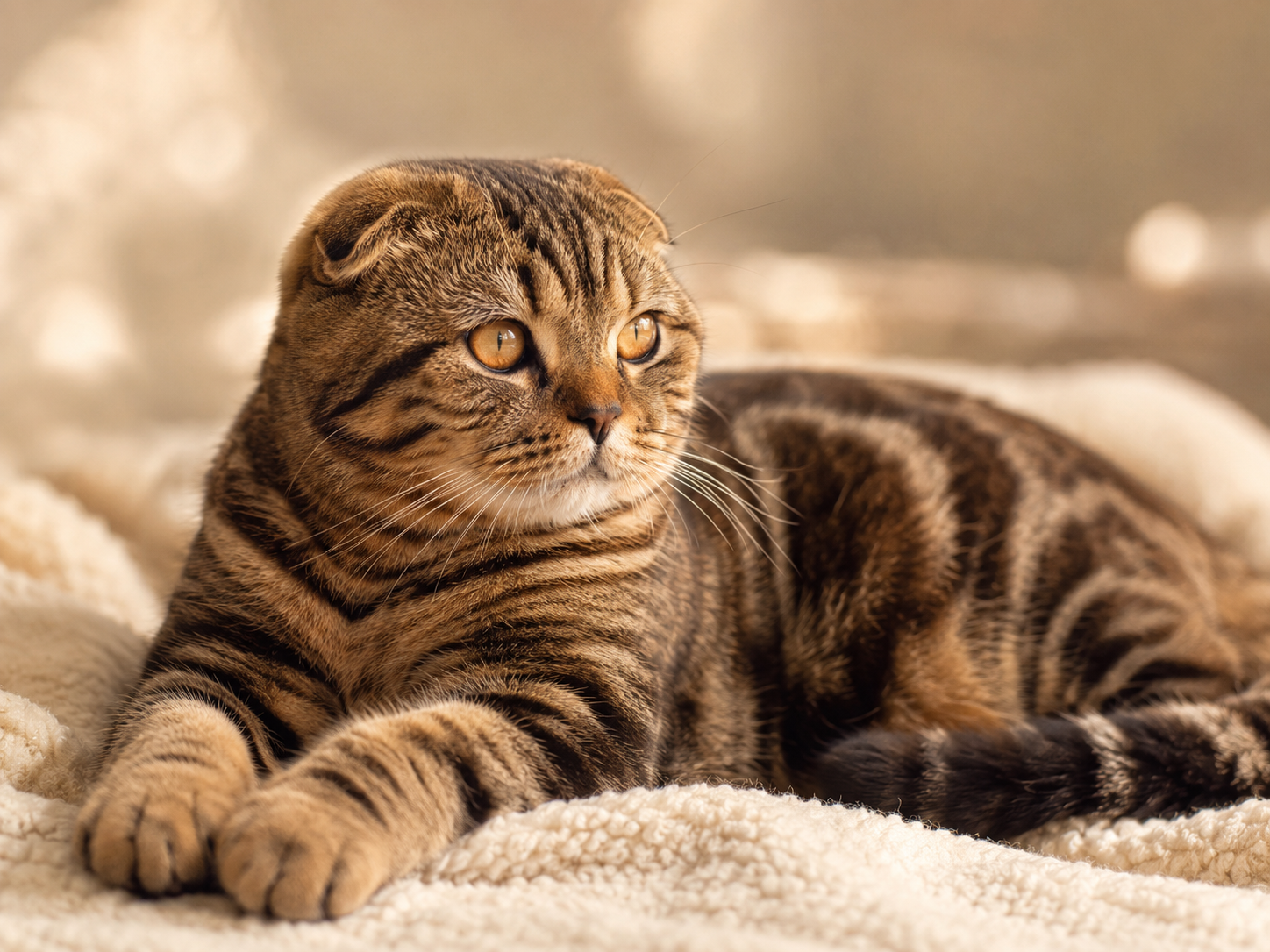
Scottish Folds have round faces, large round eyes, and a medium-sized, compact body. Males typically weigh 9 to 13 pounds and females 6 to 9 pounds. The coat comes in two lengths: the shorthair variety and the longhaired Highland Fold. Both come in a wide range of colors and patterns, including solids, tabbies, tortoiseshells, calicos, and colorpoints.
Scottish Fold Grooming & Shedding
Grooming is straightforward for shorthaired Folds. A weekly brush is usually enough to manage shedding. Highland Folds need more attention, ideally two or three times a week with a wide-toothed comb to prevent tangles, particularly around the ruff and hind legs.
The folded ears need a bit more care than a typical cat’s. Because the fold restricts airflow into the ear canal, wax and debris can build up faster than in straight-eared cats. Check them weekly and clean gently with a vet-approved solution when needed. They also need nail trims every couple of weeks and regular dental care.
Activity & Play
Scottish Folds are calm cats. They enjoy short play sessions with wand toys, puzzle feeders, and batting around a ball, but most are content to spend a good portion of the day on a window perch or curled up in a warm spot near their people.
That low activity level suits apartments and quieter homes well, but it also makes weight gain a real risk. Extra weight puts more stress on joints that may already be affected by the breed’s cartilage condition. Daily interactive play at ground level keeps them moving without encouraging jumps that could add further strain.

Scottish Fold Health & Lifespan
Scottish Folds typically live 11 to 15 years. The central health concern is feline osteochondrodysplasia (FOCD), the same cartilage condition that produces the folded ears. Every Scottish Fold with folded ears has it to some degree. Some cats show few outward signs, while others develop shortened or thickened tails, stiff or fused joints, arthritis, and difficulty jumping, particularly as they age.
Cats that inherit the fold gene from both parents develop severe skeletal disease early in life, which is why responsible breeders only pair folded-eared cats with straight-eared partners. Cats with one copy of the gene are less severely affected but still commonly develop joint problems over time. Signs to watch for include reluctance to jump, stiffness after rest, a rigid or unusually short tail, and changes in gait. A vet familiar with the breed can help with anti-inflammatories, joint supplements, and a weight management plan.
The breed also carries some risk of hypertrophic cardiomyopathy (HCM), a heart condition that thickens the walls of the heart and can develop without obvious symptoms, and polycystic kidney disease (PKD), which causes cysts to form on the kidneys over time. Reputable breeders screen for both with DNA testing and, in the case of HCM, cardiac ultrasound.
Family Compatibility
Scottish Folds are patient with children who know how to handle cats gently, and they usually get along with other cats and cat-friendly dogs when introductions are done properly. They tend to prefer quieter households over chaotic ones, but they’re adaptable enough to settle into most family routines.
They’re also a good fit for seniors, solo owners, and people in apartments, where their low activity level and quiet voice make them easy to live with in smaller spaces.
Recommended Supplies for a Scottish Fold
Because of the breed’s joint vulnerability, low furniture and ground-level play setups work better than tall cat trees that encourage jumping.
- Low or ramped cat furniture with easy step-up access
- Window perch mounted at a comfortable height
- Soft or orthopedic cat bed
- Low-sided litter box
- Wide, shallow food and water bowls
- Interactive puzzle toys and wand toys
- Ear cleaning solution for regular fold maintenance

Scottish Fold Cat Price
Scottish Fold kittens from reputable breeders in the US typically cost between $1,500 and $3,500, with tight folds, rare colors, and Highland Folds pushing toward the higher end. Top show lines can go above that range.
That price should reflect responsible breeding practices, including pairing folded cats only with straight-eared partners, screening for HCM and PKD, and being transparent about the FOCD risk and what it may mean long-term.
Scottish Fold Cat FAQs
Are Scottish Fold cats hypoallergenic?
No. Scottish Folds produce the same Fel d 1 protein as other cats, and they shed year-round.
Do all Scottish Folds have joint problems?
Every folded-ear Scottish Fold carries the gene responsible for feline osteochondrodysplasia (FOCD), which affects cartilage throughout the body. Severity varies widely, from cats with no visible symptoms to cats that develop significant joint stiffness and arthritis. Straight-eared cats from Fold litters (Scottish Straights) are not affected.
How much does a Scottish Fold cost?
Scottish Fold kittens from a reputable US breeder typically cost between $1,500 and $3,500. Highland Folds, tight folds, and rare colors sit at the higher end.
How long do Scottish Folds live?
Most Scottish Folds live 11 to 15 years. Lifespan depends heavily on how well the cartilage condition is managed, including weight control and early veterinary attention to joint changes.
What’s the difference between a Scottish Fold and a Scottish Straight?
Scottish Folds carry the Fd gene, which produces the folded ears and the associated cartilage condition. Scottish Straights come from the same litters but don’t inherit the gene, so they have upright ears and normal skeletal development.
Is the Scottish Fold Right for You?
Most breed decisions come down to lifestyle fit. With a Scottish Fold, the bigger question is whether you’re comfortable with a breed whose defining trait is also a lifelong health condition. The day-to-day is easy. The long-term commitment is not.
If you’re comfortable with that commitment, choosing a good breeder and working with a vet who knows the breed can help you stay ahead of joint problems. The cat itself is calm, quiet, and easy to share a home with. If the health trade-off doesn’t sit right, a Scottish Straight from the same breeding program gives you a very similar cat without the cartilage condition.
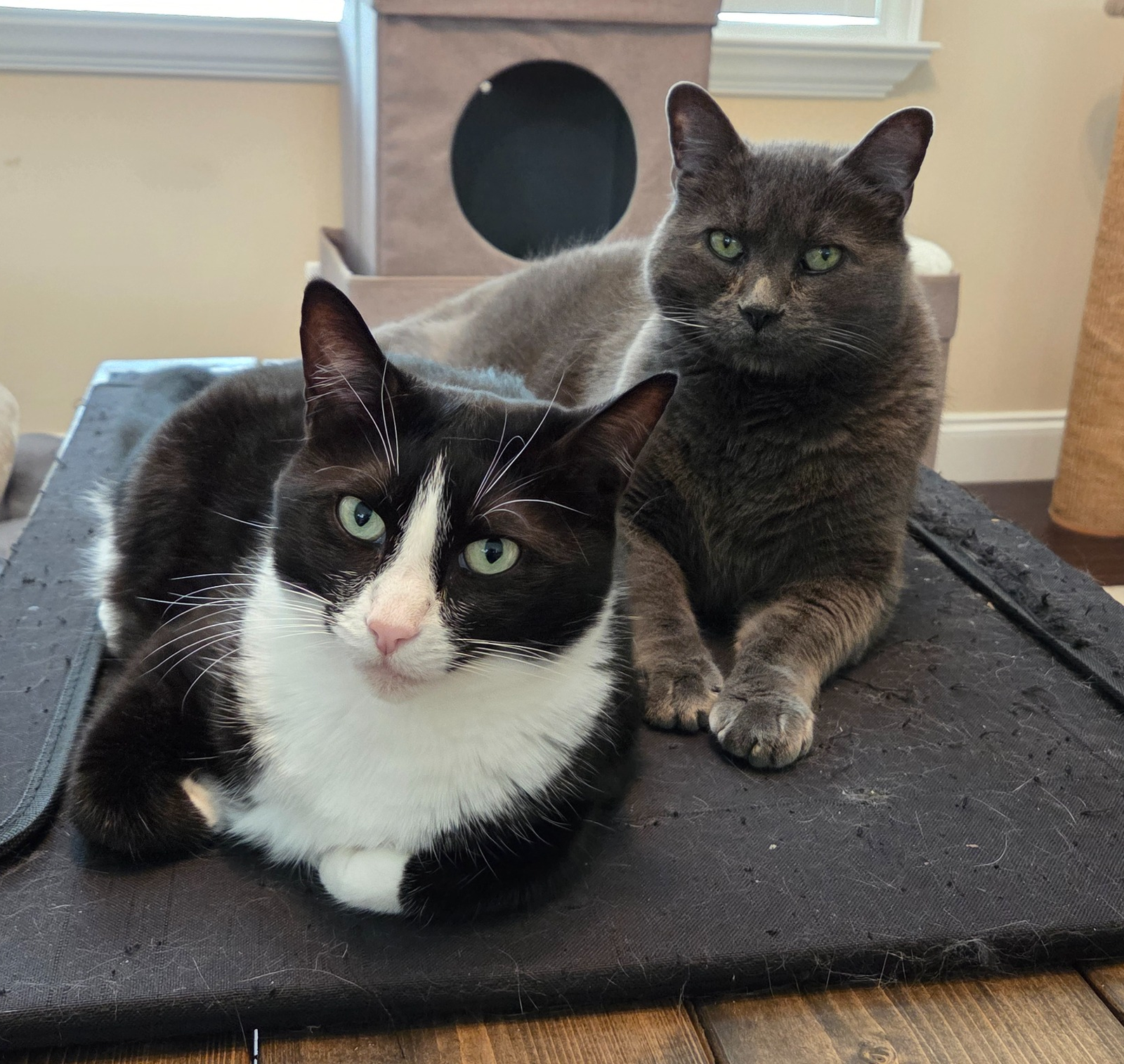
Debbie Reid is the founder and chief editor of CatPedia.net, with over 25 years of hands-on experience in feline care, rescue, and behavior research. Inspired by her rescue cats Snickers and Bigboy, she collaborates with animal welfare resources and consults veterinary literature to turn complex feline health, nutrition, and behavior topics into clear, actionable guides.