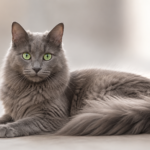
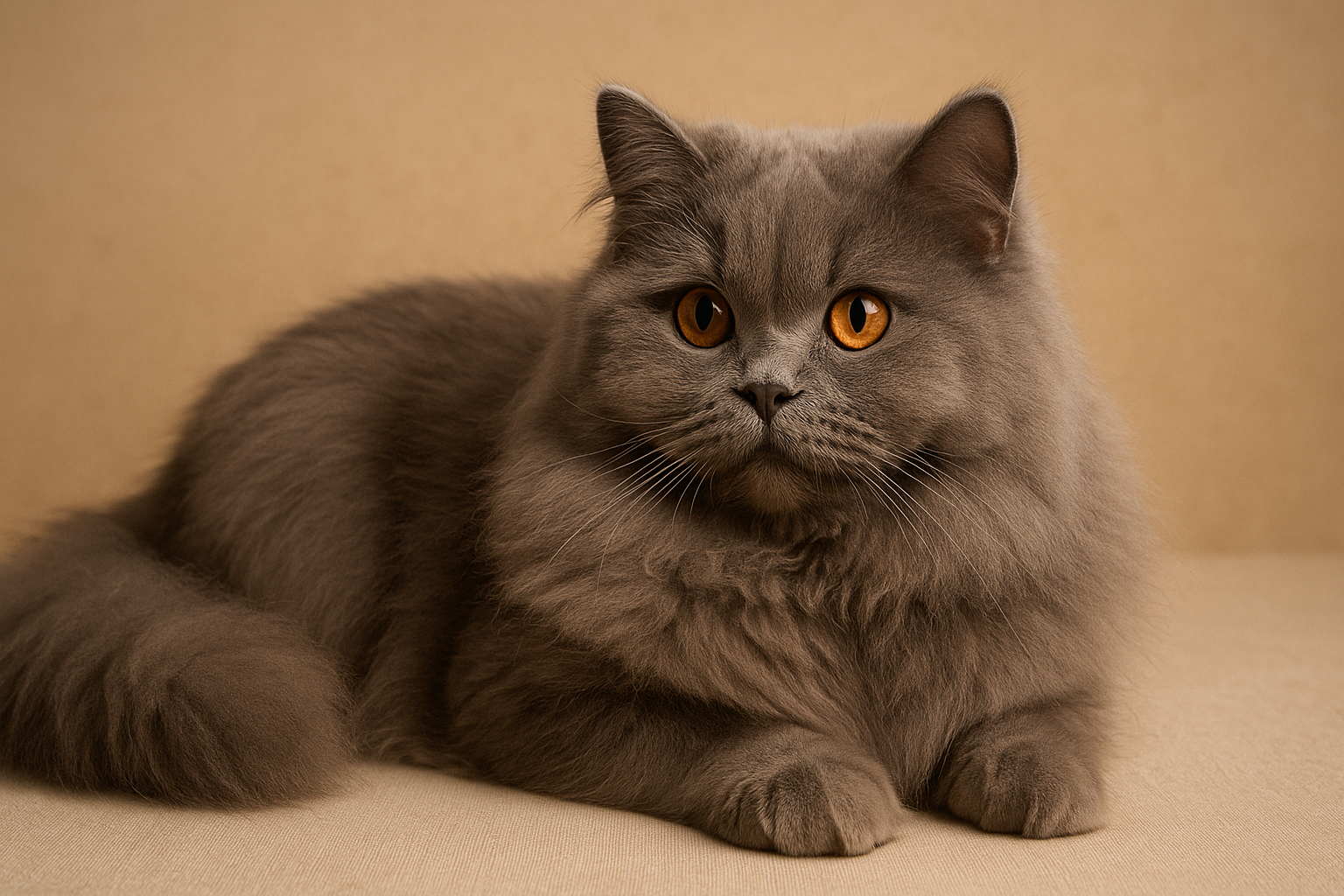
The British Longhair cat is essentially what happens when you take the British Shorthair’s calm, sturdy personality and wrap it in a longer, plusher coat. The result is a cat that looks like a plush toy and behaves like one too, in the best possible way. They’re gentle, unhurried, and genuinely content to share your space without demanding the center of attention.
They’re also not the right fit for everyone. British Longhair cats need consistent grooming, don’t thrive on high-energy chaos, and prefer a calm, predictable household. For the right owner that steady, affectionate presence is exactly what makes them so appealing.
Here’s what it’s actually like to live with a British Longhair cat, from personality and daily habits to grooming, health, and whether they’re the right fit for your home.
Quick Breed Facts
- Origin: United Kingdom
- Breed registries: GCCF, TICA (not accepted by CFA or FIFe)
- Weight range: 7–12 lbs (females), 9–17 lbs (males)
- Lifespan: 12–16 years
- Coat: Medium-long, plush double coat
- Colors and patterns: Solid, tabby, bicolor, colorpoint, silver, smoke, and more
- Eye color: Copper or gold; blue in colorpoints; green in some silvers
- Grooming: Moderate to high
- Activity level: Low to moderate
- Affection level: Moderate to high
- Vocality: Low
- Good with children: Yes, with respectful handling
- Good with other pets: Usually, with slow introductions
History & Origin of the British Longhair Cat
The British Longhair developed from the British Shorthair, which carries a recessive long-hair gene that was introduced through outcrosses with longhaired cats generations ago. For a long time, longhaired kittens appearing in British Shorthair litters were considered undesirable and weren’t developed further. Eventually breeders recognized the potential and began selectively breeding for the longer coat while maintaining the British Shorthair’s characteristic round features and calm temperament.
The British Longhair is recognized by GCCF and TICA but is not accepted by the CFA or FIFe, which means it occupies an interesting middle ground in the pedigreed cat world. It has a growing following among cat lovers who want the British Shorthair personality with a more dramatic coat, and it’s steadily gaining recognition and popularity outside of the UK.
British Longhair Cat Personality & Temperament
The British Longhair has a calm, steady temperament that makes it genuinely easy to live with. They’re affectionate without being demanding, content to be near you without needing constant interaction. You’ll often find them settled on the sofa nearby while you read or work, keeping a quiet eye on things without getting underfoot. They communicate with soft meows and expressive eyes rather than loud, persistent vocalization.
They’re also adaptable within reason. British Longhair cats do well with respectful children and other calm pets, and they settle into household routines without much drama. What they don’t do well with is chaotic, unpredictable environments or being handled roughly. Their patience has limits, and they’re more likely to withdraw than to react, but a consistently calm home suits them far better than a noisy, busy one.
British Longhair Cat Appearance & Physical Traits
The British Longhair has the same sturdy, rounded build as the British Shorthair, with a broad chest, strong legs, and a round head with full cheeks and a short nose. What sets them apart is the coat, which is medium to long, dense, and plush with a noticeable undercoat that gives it a distinctive volume and texture. The overall impression is of a substantial, well-built cat that looks softer and more dramatic than its shorthaired cousin.
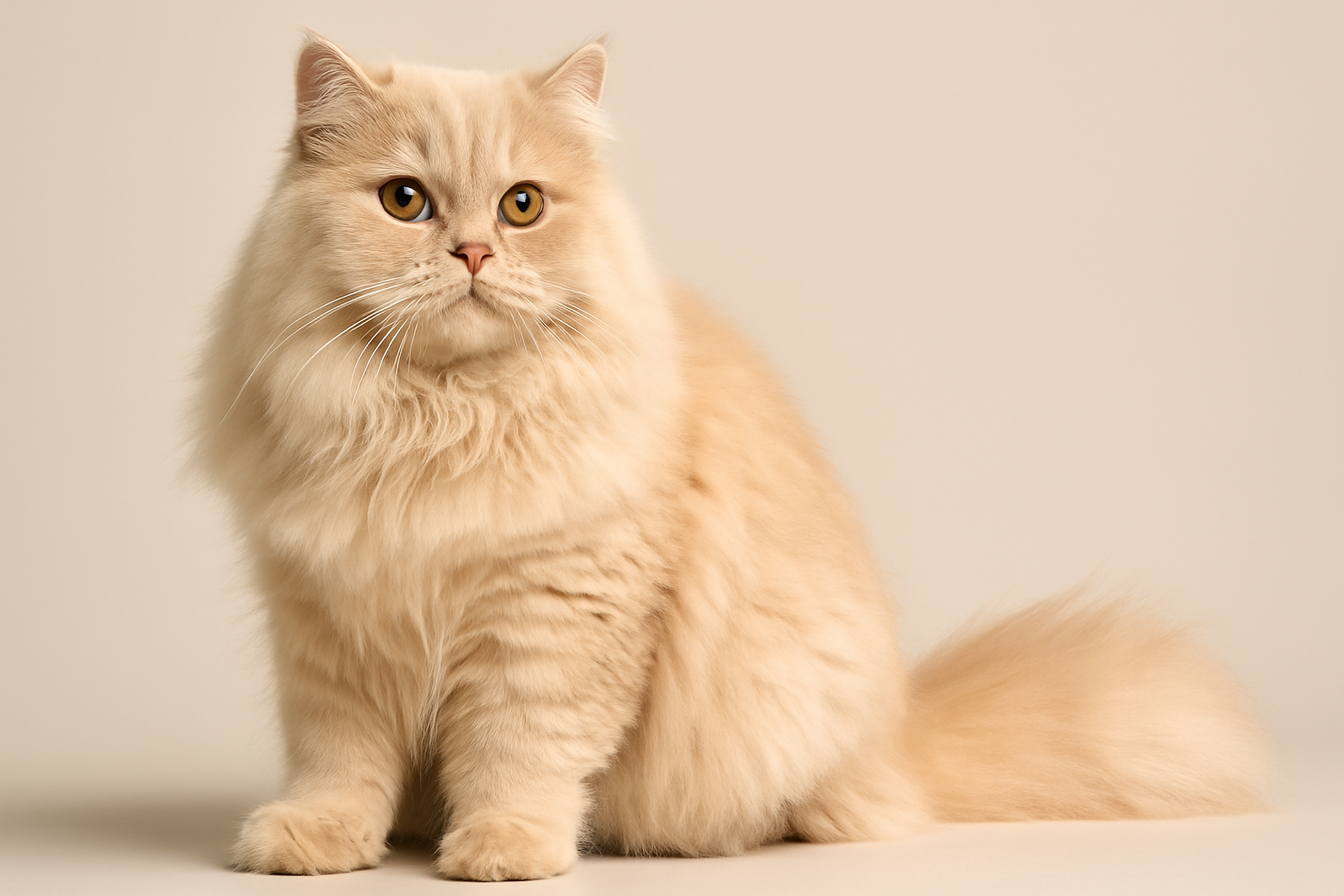
They come in a wide range of colors and patterns, including solid, tabby, bicolor, colorpoint, silver, and smoke. Eye color varies with coat color, with copper and gold being the most common. The coat is one of the breed’s most appealing features, but it’s also the main commitment, requiring consistent grooming to stay in good condition.
British Longhair Cat Grooming & Shedding
The British Longhair’s plush double coat is the main grooming consideration with this breed, and it’s a real one. Brushing three to four times a week is the baseline, with daily brushing during seasonal shedding periods in spring and fall. Without consistent grooming, the dense undercoat can mat, particularly in areas like the armpits, behind the ears, and around the back legs. Starting grooming early and keeping sessions positive with treats makes a significant difference in how cooperative your cat will be long term.
Beyond coat care, the usual basics apply: nail trims every couple of weeks, regular ear checks, and dental care. Their grooming routine is the one area where the British Longhair requires noticeably more effort than most shorthaired breeds, so it’s worth being honest with yourself about whether that commitment fits your lifestyle before bringing one home.
Activity & Play
British Longhair cats are low to moderately active and prefer calm, unhurried play over intense, high-energy sessions. Short bursts with a feather wand or puzzle feeder are usually enough to keep them engaged and mentally stimulated. They enjoy window perches where they can observe the outdoors, and they’re content to spend much of the day lounging in a comfortable spot while keeping an eye on household activity.
Don’t expect acrobatics or relentless zoomies. This is a dignified, measured breed that plays on its own terms. That said, daily enrichment matters for their mental health and weight management, so building a consistent routine of gentle play is worthwhile even if the sessions are short.

What Do British Longhair Cats Eat?
British Longhair cats do well on a high-protein, meat-based diet with animal protein listed as the first ingredient. Because they’re a low to moderately active breed with a naturally solid, sturdy build, portion control is important. Their frame can make it easy to underestimate how much they’re eating, and weight gain in a less active breed can creep up gradually. Measured meals work better than free-feeding for most British Longhair cats.
A mix of wet and dry food works well for most cats of this breed. Wet food supports hydration and provides the animal protein they need, while dry food adds some dental benefit. Fresh water should always be available, and a cat water fountain is worth considering if your cat isn’t naturally drawn to still water.
British Longhair Cat Health & Lifespan
British Longhair cats typically live 12 to 16 years with proper care. They’re generally a healthy breed, but like their British Shorthair relatives they can be prone to hypertrophic cardiomyopathy (HCM), a form of heart disease that can develop silently over time. Responsible breeders screen for this, and it’s worth asking about cardiac health history when choosing a kitten.
Weight management is the other key health consideration. Because they’re not highly active, British Longhair cats can gain weight if overfed, which puts strain on their joints and heart over time. Regular vet checkups, consistent portion control, and daily gentle play all contribute to keeping them healthy well into their senior years.
Recommended Supplies for a British Longhair Cat
British Longhair cats need supplies that match their calm lifestyle and grooming needs. Comfort and practicality matter more than novelty for this breed.
- Quality slicker brush and wide-toothed comb for coat maintenance
- Stable cat tree with broad platforms for lounging
- Window perch for observation and enrichment
- Puzzle feeders and gentle interactive toys
- Wide, shallow food and water bowls to avoid whisker fatigue
- Roomy, consistently clean litter box

British Longhair Cat Price and Cost
From a reputable breeder, British Longhair kittens typically cost between $800 and $2,000, with price varying depending on coat color, pedigree, breeder reputation, and region. Because the breed is less common than the British Shorthair and not accepted by all major registries, finding a reputable breeder may require more research than with more widely recognized breeds.
Adoption is worth checking. British Longhairs occasionally appear in shelters or through rescues focused on longhaired or British-type cats. An adult British Longhair can be a particularly easy addition since their personality is already developed and well-established by the time they’re rehomed.
British Longhair Cat FAQs
Are British Longhair cats hypoallergenic?
No, British Longhair cats are not hypoallergenic. All cats produce the Fel d 1 protein that triggers allergies, and the British Longhair’s dense coat means more fur in your environment. Regular grooming and cleaning can help manage allergens but won’t eliminate them.
How often should you brush a British Longhair cat?
Three to four times a week at minimum, and daily during seasonal shedding periods. Their dense double coat can mat without consistent grooming, particularly in areas like the armpits and behind the ears.
Do British Longhair cats like to cuddle?
Most do, in their own quiet way. They tend to prefer being near you over being held, but they’re genuinely affectionate and enjoy gentle petting and close contact on their own terms.
How long do British Longhair cats live?
Most British Longhair cats live 12 to 16 years with proper care. Regular vet visits, a balanced diet, and keeping them at a healthy weight all contribute to a longer, healthier life.
Are British Longhair cats good with children and other pets?
Yes, with respectful handling and gradual introductions. They’re patient and calm, which makes them a good fit for families and multi-pet households, but they do better in calmer environments than chaotic ones.
What is the difference between a British Longhair and a British Shorthair?
The primary difference is the coat. British Shorthairs have a dense, short coat while British Longhairs have a medium-long plush coat that requires more grooming. Temperament and body type are very similar between the two, as the British Longhair developed directly from British Shorthair lines.
Is the British Longhair Cat Right for You?
If you want a calm, affectionate, and genuinely beautiful cat that fits quietly into daily life without demanding constant attention, the British Longhair is hard to beat. They suit a wide range of households and are one of the easier breeds to live with in terms of temperament. The grooming commitment is the one honest caveat, and it’s worth taking seriously before committing.
Get the grooming routine established early, provide a calm and consistent environment, and the British Longhair will reward you with years of quiet, loyal companionship that most owners find they quickly can’t imagine being without.
Debbie Reid is the founder and chief editor of CatPedia.net, with over 25 years of hands-on experience in feline care, rescue, and behavior research. Inspired by her rescue cats Snickers and Bigboy, she collaborates with animal welfare resources and consults veterinary literature to turn complex feline health, nutrition, and behavior topics into clear, actionable guides.