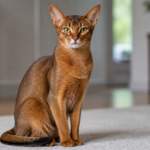

Abyssinian cats have a way of stealing attention wherever they go. With their sleek coats, big curious ears, and playful personalities, they look like little athletes wrapped in velvet. It is easy to see why so many people fall in love with this breed.
What surprises many new owners is the price. Abyssinians are not the most common cats, and finding one through a shelter can feel like winning the lottery. If you are thinking about bringing one home, it helps to understand both the upfront cost and what monthly care really looks like.
In this guide, we will walk through the typical Abyssinian cat price, what affects the cost, and how much you can expect to spend over time. The goal is simple – no surprises after your new cat settles in.
Upfront Costs of Owning an Abyssinian Cat
There is nothing quite like bringing a new cat home for the first time. The carrier is on the seat, your house is ready, and your heart is racing a little with excitement. Along with that excitement comes a few one-time expenses you should plan for.
Some lucky people may find a free cat through friends, neighbors, or local shelters. While free cats are common in general, finding a truly purebred Abyssinian this way is rare. Most people will either adopt through a shelter or purchase from a breeder.
Typical upfront costs:
Adoption: Most shelters and rescues charge between $50 and $250. This often includes spay or neuter surgery, vaccines, and sometimes microchipping, which makes adoption a great value.
Breeder: A well-bred Abyssinian kitten usually costs $900 to $2,000+. In some regions, prices can climb even higher. A reputable breeder invests heavily in veterinary care, proper nutrition, socialization, and responsible breeding practices, which explains the higher price.
Initial setup and supplies: Expect roughly $200 to $500 for basics like a litter box, food bowls, carrier, scratching posts, toys, and your first round of food and litter. If you already have cats at home, this number may be much lower.
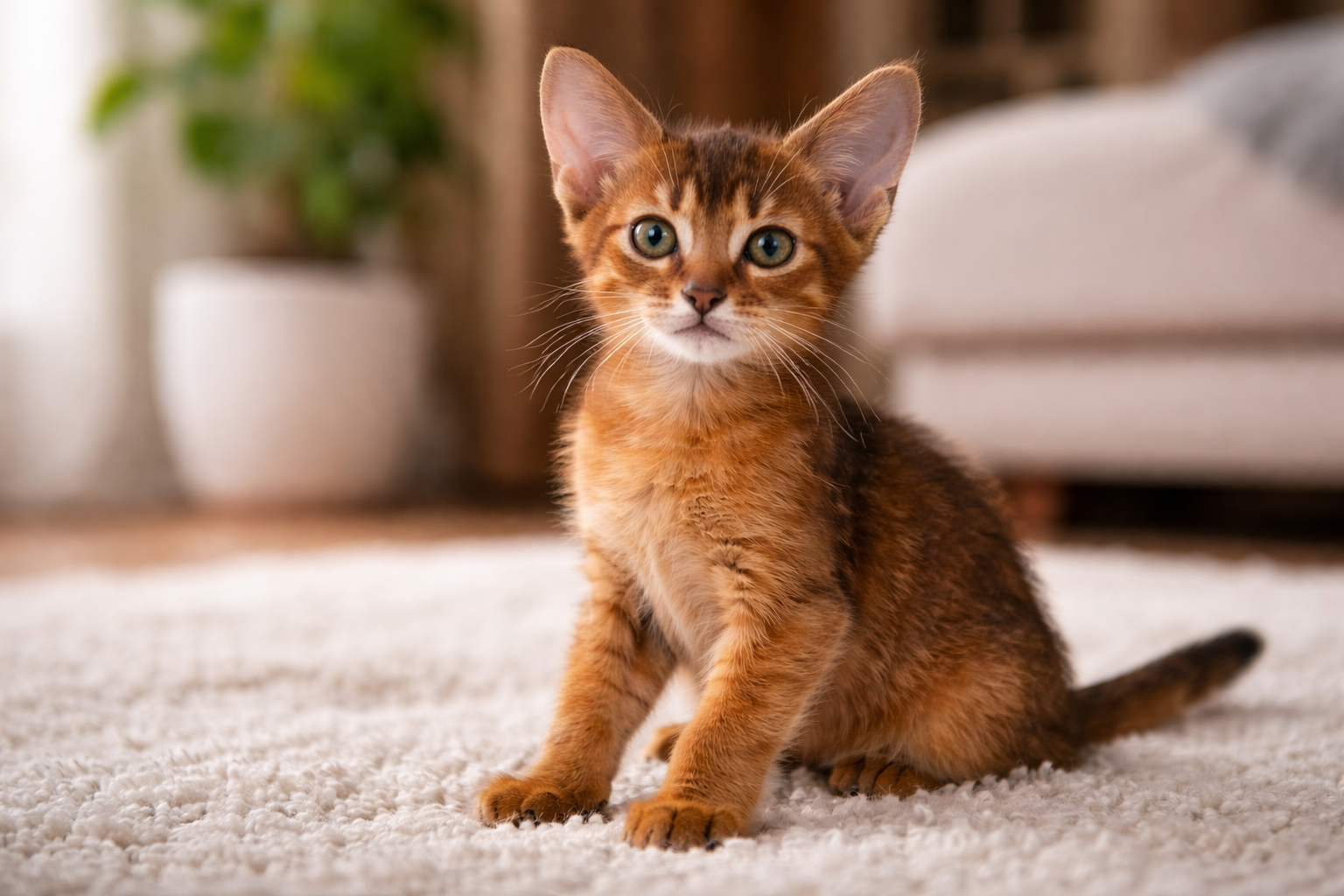
If you see extremely low prices online, take your time and ask questions. Scams and poorly bred kittens do exist, and a healthy start matters more than saving a few dollars upfront.
Monthly Cost of Caring for an Abyssinian Cat
Caring for an Abyssinian cat is usually affordable, especially during their young and healthy years. Most monthly expenses are predictable, but costs can increase if your cat needs frequent veterinary care or special food.
For many households, monthly spending typically falls between $90 and $250. In higher-cost situations, such as ongoing medical care, expenses can climb higher.
Food and Daily Nutrition
Food is one of the most consistent monthly expenses. Depending on what you feed, most owners spend $20 to $60 per month. A mix of wet and dry food is common, and higher-quality diets may cost more but often support better long-term health.
Litter and Home Supplies
Litter, liners, and deodorizing products usually cost around $30 to $70 per month. This category makes up a large portion of ongoing expenses for most cat owners.
Veterinary Care and Medications
Many months come with little to no veterinary expense at all. When averaged over the year, routine vet care often works out to $10 to $50 per month. Cats with medical conditions, dental issues, or injuries can cost significantly more.
Grooming and Coat Care
Abyssinians have short, low-maintenance coats and usually do not require professional grooming. Most owners spend $0 here, unless they choose occasional grooming services.
Pet Insurance (Optional)
Pet insurance is optional but can be helpful in emergencies. Monthly premiums typically range from $15 to $35, especially when coverage starts while the cat is young.
Toys and Enrichment
Toys, scratching posts, and enrichment items are usually low-cost. Many owners spend $10 to $30 per month, though some months cost nothing at all.
Typical Monthly Cost for an Abyssinian Cat
When everything is averaged together, most Abyssinian cats cost around $100 to $150 per month during healthy adult years. Food and litter make up the majority of this expense.
Costs on the higher end reflect special diets, frequent vet visits, or caring for an older or sick cat. Planning ahead with savings or insurance can help soften these spikes.

Extra Expenses That Can Pop Up Over Time
Not every cost shows up neatly on a monthly budget. Some expenses happen once in a while, but they can still catch people off guard if they are not planned for.
Travel care: If you take trips, you may need to budget for someone to stop by and feed your cat, scoop litter, and provide a little company. Depending on your area and how often you travel, this can add up quickly over a year.
Unexpected medical situations: Even healthy indoor cats can surprise you with sudden illnesses, dental issues, or accidents. Emergency visits often cost hundreds or even thousands of dollars, which is why many owners keep a small emergency fund or choose pet insurance.
Home wear and tear: Scratching posts help, but curious cats sometimes test furniture corners, carpet edges, or window screens. Small repairs or replacements are part of real-life pet ownership.
Out-of-pocket insurance costs: If you carry pet insurance, deductibles and co-pays still apply. It helps to know what your policy covers before an emergency happens.
Smart Ways to Keep Abyssinian Care Affordable
Owning an Abyssinian does not have to feel financially stressful. Most of the long-term cost comes down to everyday habits and small decisions you make over time.
Simple things like keeping up with wellness visits, feeding consistent quality food, and encouraging healthy activity can help reduce the chance of bigger medical bills later. A cat that stays active and maintains a healthy weight often avoids many preventable issues.
At home, rotating toys instead of constantly buying new ones, washing and reusing enrichment items, and buying food or litter in larger sizes can quietly lower your monthly spending without sacrificing your cat’s comfort.
It also helps to build a small safety cushion for surprises. Even setting aside a little each month creates peace of mind if your cat ever needs unexpected care.

Final Thoughts
Bringing home an Abyssinian can feel like a big financial decision at first, especially when you see breeder prices. The good news is that once your cat is settled, most monthly costs are very manageable for many households.
Food, litter, and routine care make up the bulk of ongoing expenses, while medical needs tend to be the biggest variable over time. Planning ahead, setting aside a small cushion, and understanding what to expect helps remove stress and keeps pet ownership enjoyable.
Debbie Reid is the founder and chief editor of CatPedia.net, with over 25 years of hands-on experience in feline care, rescue, and behavior research. Inspired by her rescue cats Snickers and Bigboy, she collaborates with animal welfare resources and consults veterinary literature to turn complex feline health, nutrition, and behavior topics into clear, actionable guides.