Your cat kneads you because you make them feel safe and relaxed. The behavior starts in kittenhood, when nursing kittens knead their mother’s belly, but many cats continue doing it into adulthood.
When your cat kneads you, they may be showing affection, marking you with their scent, soothing themselves, stretching, or getting comfortable before a nap.
Kneading is almost always a good sign. Here’s what it means when your cat chooses you as their favorite kneading spot.
What Is Kneading?
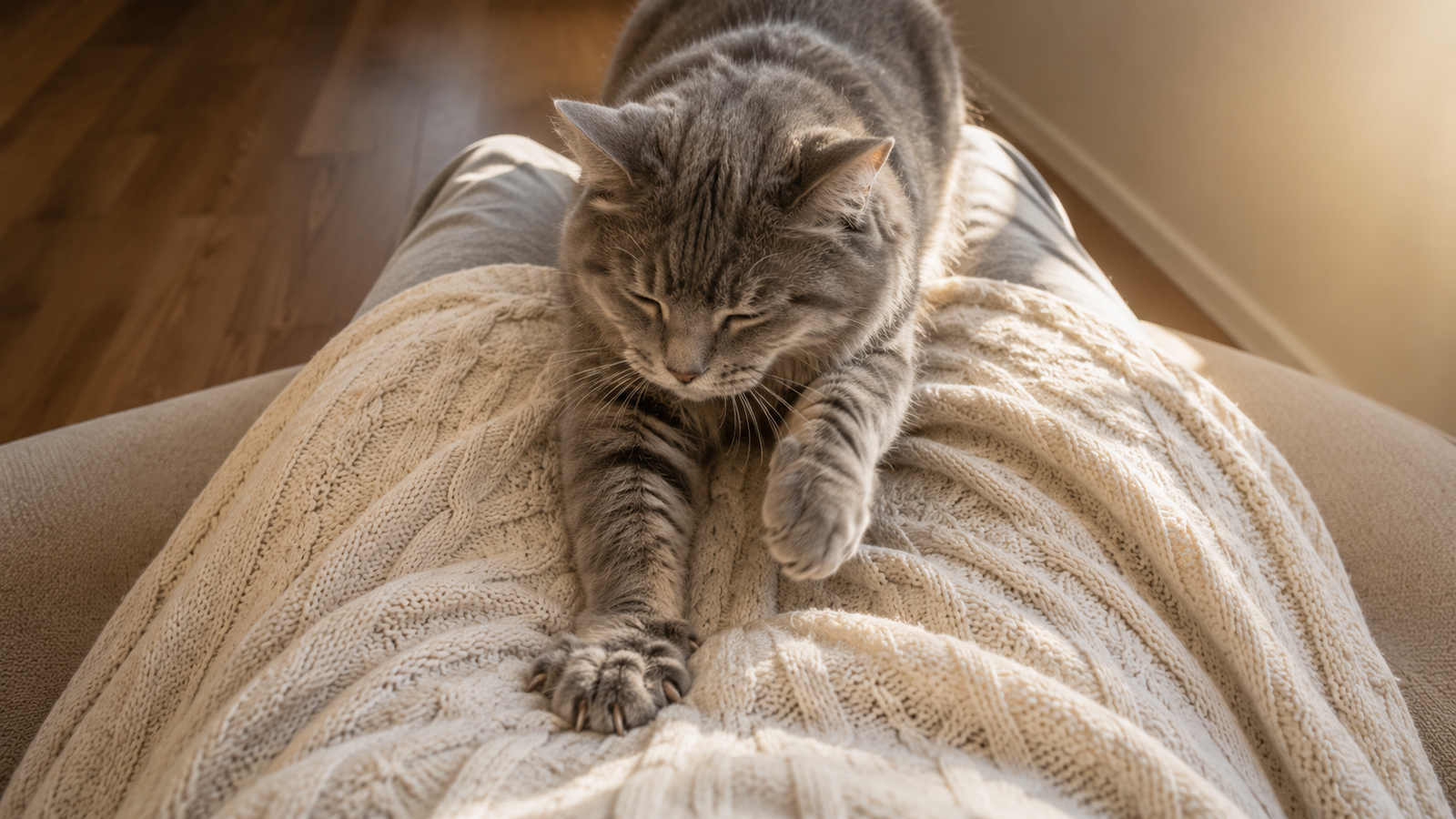
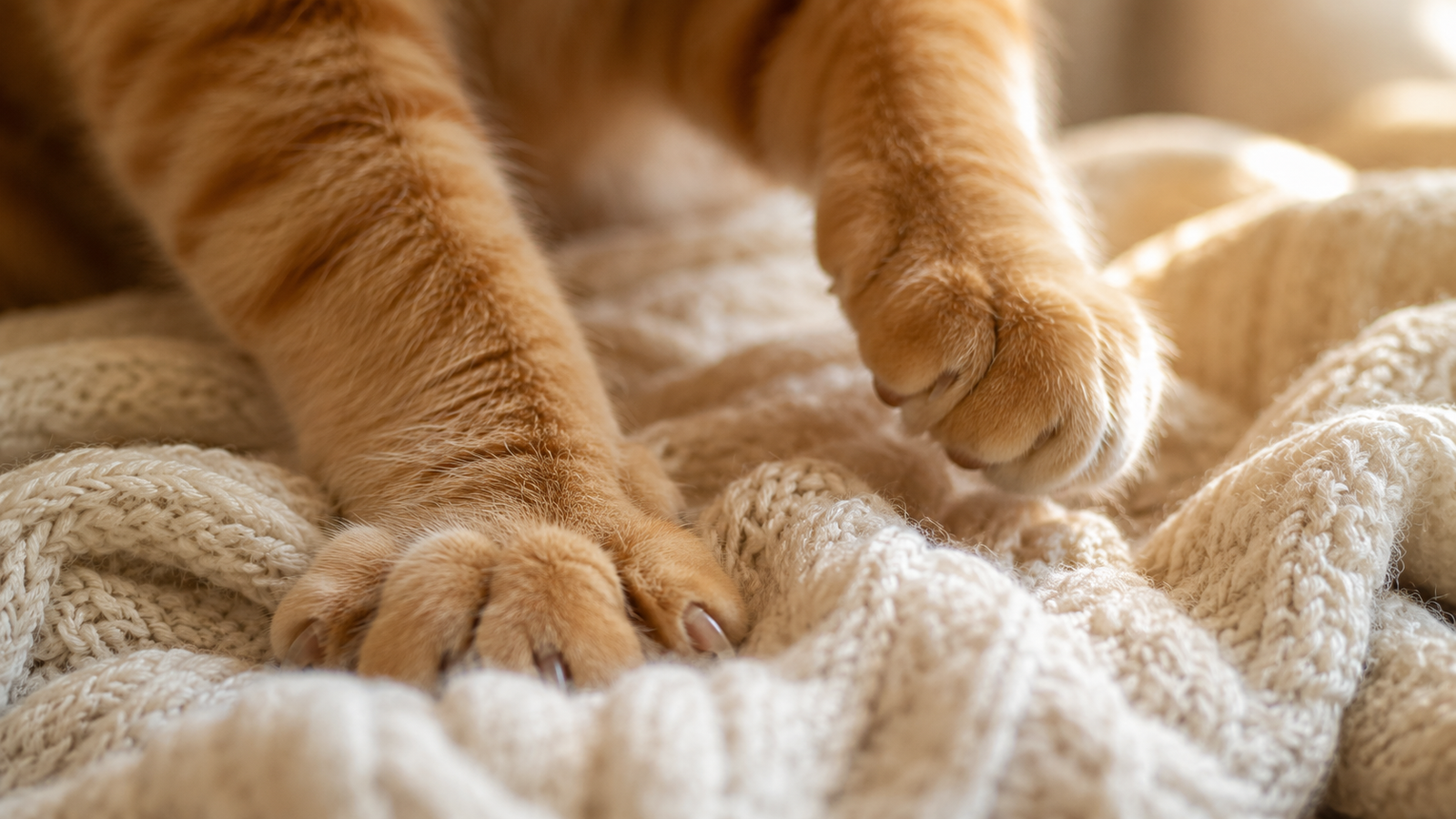
Kneading is when a cat pushes their front paws into a soft surface, alternating left and right in a slow, rhythmic motion. It’s often called “making biscuits” because it looks like a baker working dough.
Some cats keep their claws tucked in, while others extend them with each push. Kneading may also come with purring, drooling, or suckling at the fabric. The surface might be a blanket, a cushion, another cat, or you.
Why Your Cat Kneads You Specifically
Cats are picky about what they knead. They want something warm, soft, and familiar, and for a lot of cats, that’s you.
You’re warm. You’re soft. You smell like home. Your lap rises and falls as you breathe, which isn’t far off from what a nursing kitten feels against their mother. The fact that you sit still and don’t shove them off doesn’t hurt either.
If your cat picks you over the couch or the cat bed, take it as a compliment. You’re the one they trust.
7 Reasons Your Cat Kneads You
1. They’re Showing Affection and Claiming You
Kneading is one of the ways cats show affection, along with purring, slow blinks, head bunts, and following you from room to room.
There’s also a possessive edge to it. Your cat isn’t just saying they like you. They’re saying you belong to them.
2. It’s a Leftover Kitten Instinct
Kittens knead their mother’s belly while nursing to help the milk flow. The behavior gets tied to warmth, safety, and being fed, and that association is strong enough that most cats carry it into adulthood.
When your adult cat kneads you, they’re tapping into that same early wiring. Their body remembers what nursing felt like, and settling into your lap brings some of that comfort back.
3. They’re Marking You With Scent
Cats have scent glands in the pads of their paws. Every time they knead you, they’re leaving a small amount of their own scent on your clothes or skin.
To another cat, that scent acts like a label. Your cat is quietly telling other cats that you’re taken.
4. They’re Self-Soothing
Kneading is repetitive and rhythmic, which can help cats settle themselves, much like fidgeting can help a person relax.
You’ll often see it when your cat is winding down after something stimulating, like a play session or a stressful moment.
5. They’re Content and Getting Ready to Nap
A cat that kneads you and then flops down is telling you they feel completely at ease. Kneading often comes with purring, half-closed eyes, and that heavy, boneless posture cats get right before they doze off.
If your cat kneads you, circles once, and settles in, they’ve decided you’re the bed for the next hour or three.
6. They’re Stretching
Kneading works the muscles in your cat’s shoulders, front legs, and toes. It’s another way they stretch, along with arching their back or digging into a scratching post.
You may notice this kind of kneading right when your cat hops up onto you or stands up from a long sleep.
7. They’re in Heat
If your cat isn’t spayed and she’s suddenly kneading more than usual, she may be in heat. Females in heat often tread with their back feet, raise their hindquarters, and become more affectionate than usual.
If this is the reason, you’ll usually see other signs too, like loud yowling and restlessness.
Does Kneading Hurt? What to Do About the Claws
Kneading is usually harmless, but the claws can hurt. If your cat extends their claws while kneading, every push can start to feel like a tiny needle.
You don’t need to stop your cat from kneading. You just want to make it comfortable for both of you.
Keep Their Claws Trimmed
Trim your cat’s claws every couple of weeks. Short claws still knead, they just don’t hurt.
If your cat won’t sit through a full trim, do a few nails at a time and spread it out over several days. A small pair of scissor-style cat clippers is the easiest to control on a squirming cat, though sharp human clippers work in a pinch.

Put a Blanket Between You and Them
A folded blanket or a small throw pillow on your lap gives your cat something to knead into without hitting skin. Most cats will accept the blanket and keep kneading, especially if it’s soft and warm.
Redirect Them When You Need To
If kneading isn’t convenient, like when you’re eating or trying to work, gently move your cat to a blanket, bed, or spot beside you. A toy or small treat can help redirect their attention if they immediately climb back up.
They can keep making biscuits. They just don’t have to make them directly on your stomach.
Don’t Punish Them
Don’t yell, spray your cat with water, or punish them for kneading. They’re not doing anything wrong, and punishment can make them wary of sitting or relaxing with you.
When Kneading Is Worth a Vet Check
Kneading is almost always normal. It only becomes concerning when the behavior suddenly changes or comes with other signs that something is wrong.
Prolonged Kneading With Signs of Distress
Most cats knead for a while and then settle down. If your cat kneads for unusually long stretches and seems unable to stop, watch their body language.
Flattened ears, a tense body, repeated vocalizing, or hiding can point to stress, pain, or another problem worth discussing with your vet.
A Sudden Increase in Kneading
A sudden change is more telling than the kneading itself. If a cat that rarely kneads starts doing it constantly, pay attention to what else has changed.
Changes in appetite, litter box habits, activity, sleep, or social behavior are all reasons to check in with your veterinarian.
If the kneading is new but your cat is otherwise eating, playing, and acting normally, it’s usually nothing to worry about.
Frequently Asked Questions
Why does my cat knead me and then bite me?
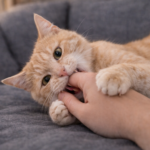
Kneading and biting can happen together when your cat is deeply relaxed or getting overstimulated.
If the bite comes after several minutes of kneading or petting, watch for a flicking tail, dilated pupils, or sudden stillness. Those are signs it’s time to give them some space.
Do all cats knead?
No. Most cats knead, but some never do. Cats with paw or joint issues may avoid it, while others just don’t show affection that way.
A cat that doesn’t knead isn’t unhealthy or unhappy. They just show affection in other ways.
Why does my cat drool while kneading?
Drooling during kneading usually means your cat is deeply relaxed. Some cats become so content while kneading and purring that a little saliva escapes.
Does early weaning make cats knead more?
No. There’s no clear evidence that early weaning makes cats knead more as adults. Kneading is normal adult behavior, not a sign your cat was weaned too soon.
Why does my cat suckle fabric while kneading?
Suckling a blanket, sweater, or sleeve while kneading is another nursing throwback. Your cat is combining two kittenhood behaviors because the situation feels safe and comforting.
It’s usually harmless unless your cat starts swallowing the fabric, which can cause digestive problems.
Should I stop my cat from kneading me?
No. Kneading is normal behavior and usually happens when your cat feels safe and comfortable with you. If the claws are the problem, keep them trimmed or put a blanket between you and your cat rather than stopping the behavior itself.
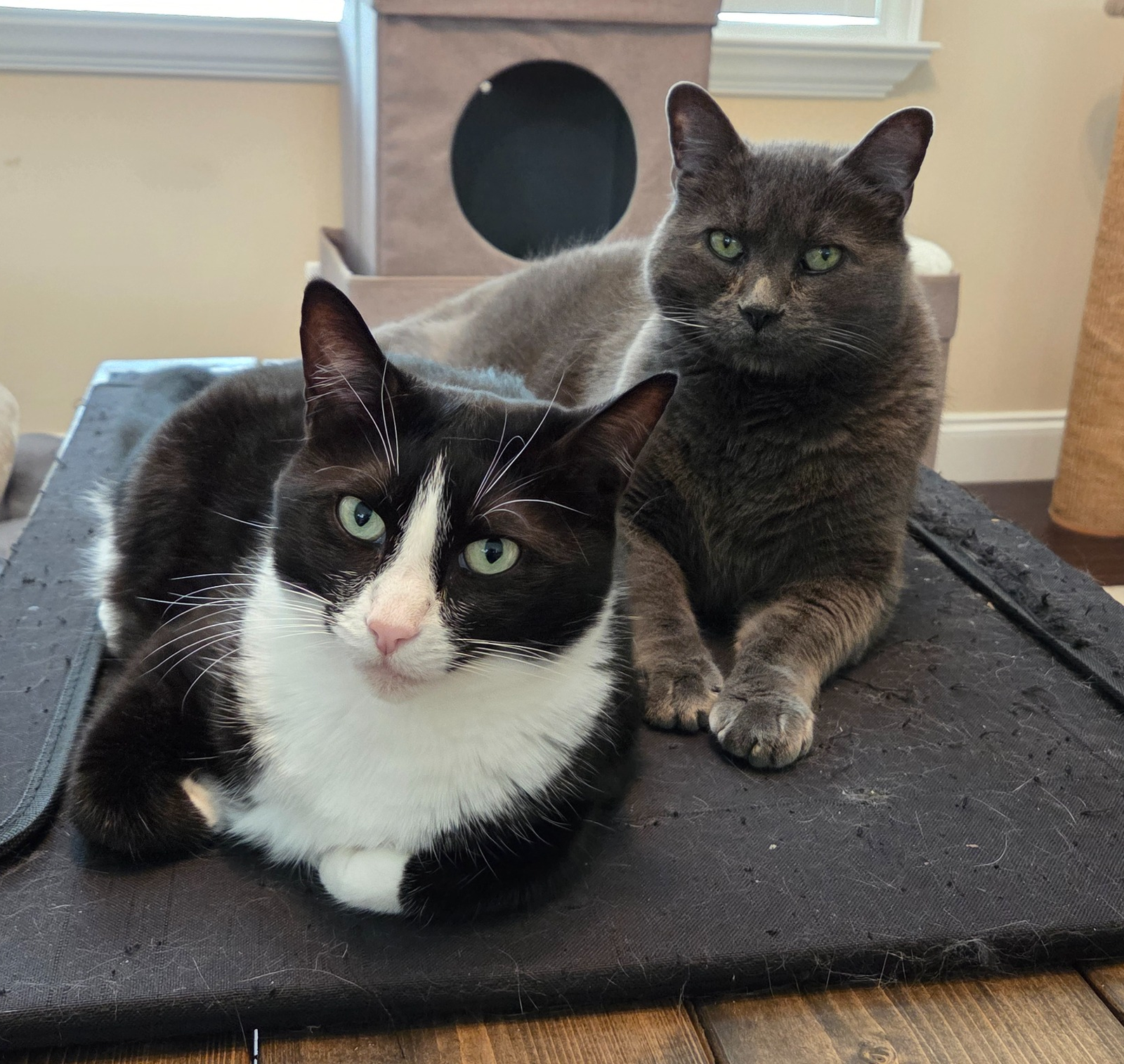
Debbie Reid is the founder and chief editor of CatPedia.net, with over 25 years of hands-on experience in feline care, rescue, and behavior research. Inspired by her rescue cats Snickers and Bigboy, she collaborates with animal welfare resources and consults veterinary literature to turn complex feline health, nutrition, and behavior topics into clear, actionable guides.