Cats and dairy have always seemed like a natural pairing. But for most adult cats, it doesn’t actually work that way.
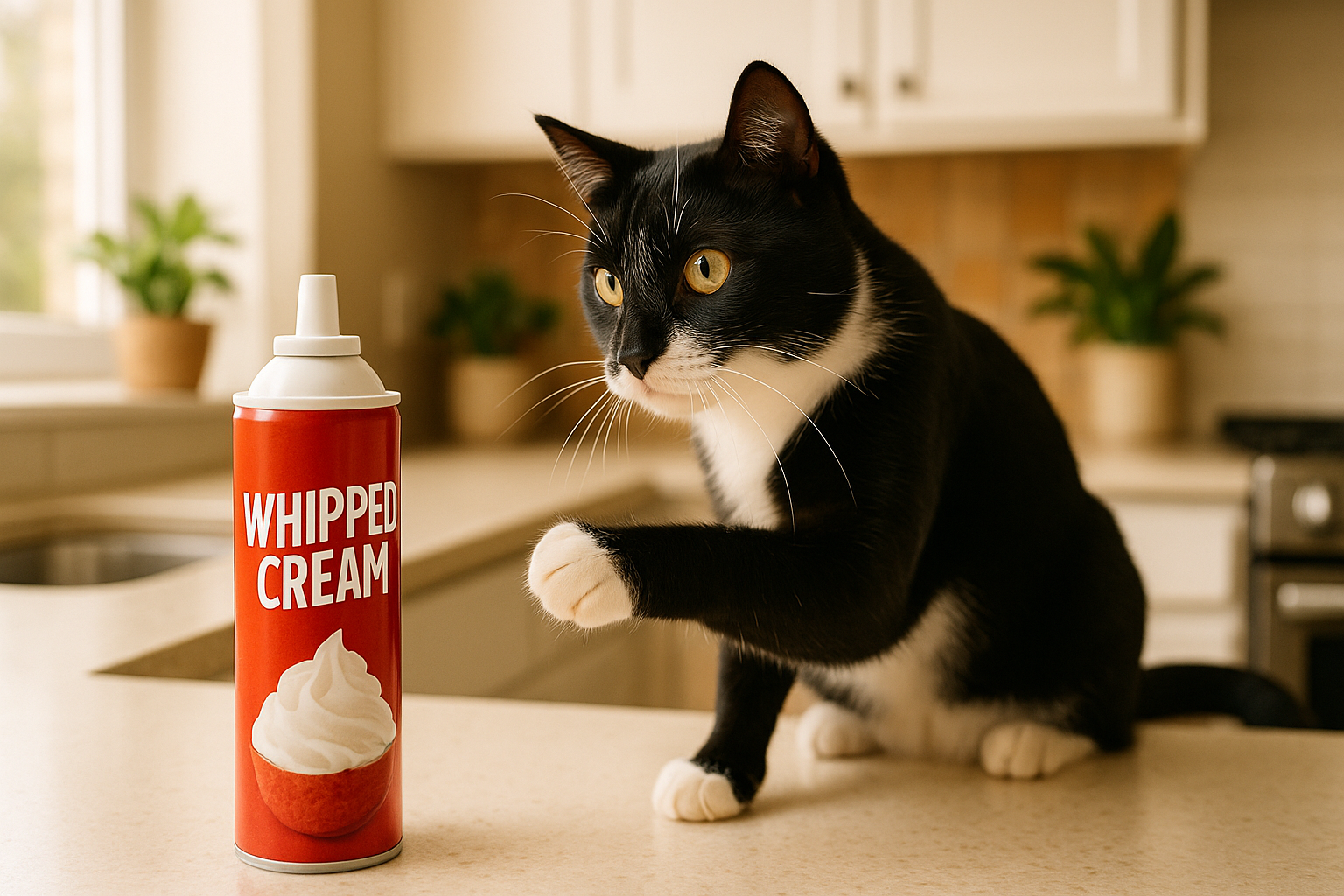
Whipped cream is a good example. It’s tempting to share, but it’s also one of the worst choices. Here’s what’s actually in it and why it causes problems.
Why Whipped Cream Doesn’t Agree With Most Cats
Whipped cream is made from heavy cream, a dairy product, and most adult cats are lactose intolerant. As kittens, cats can handle milk just fine. But as they grow up, their bodies stop producing enough of the enzyme needed to digest it. By adulthood, most cats can’t break down lactose properly.
Instead of being digested, the lactose passes through the system and starts to ferment. That’s what leads to gas, bloating, and diarrhea, usually within several hours of eating dairy. A small lick probably won’t cause a major issue, but it can still upset your cat’s stomach.
What Else Is in Whipped Cream?
Store-bought whipped cream usually contains more than just cream. There’s added sugar, which cats can’t even taste. Their taste receptors don’t register sweetness the way ours do, so there’s nothing in it for them on that front.
But sugar isn’t the only issue. Many brands also include vanilla extract, which contains alcohol, and some use artificial sweeteners like xylitol. Xylitol is highly toxic to dogs, and while cats seem less sensitive to it, the risks aren’t fully understood.
What About Cool Whip and Non-Dairy Toppings?
Non-dairy whipped toppings might seem like a safer option, but they come with their own issues. Products like Cool Whip still contain milk derivatives, along with corn syrup, hydrogenated oils, and other additives.
They’re often even higher in sugar than regular whipped cream, and they don’t offer any real benefit for your cat. Switching to a non-dairy version doesn’t make it any better.
Why Does My Cat Want It So Badly?
Cats are drawn to the fat in whipped cream, not the sweetness. To them, heavy cream smells rich and appealing in the same way meat does. That doesn’t mean their stomach can handle it.
What If My Cat Already Had Some?
A small lick or two is unlikely to cause anything more than mild digestive upset. Keep an eye out for these signs over the next several hours:
- Diarrhea or loose stools
- Vomiting
- Bloating or visible discomfort
- Excessive gas
- Lethargy
Most cases resolve on their own within a day. If your cat ate a larger amount, seems especially unwell, or you suspect the product contained xylitol, it’s always worth checking in with your veterinarian.
Safer Treats Your Cat Will Actually Enjoy
Your cat doesn’t need dairy to feel like they’re getting something special. These are reliable alternatives that deliver the satisfaction without the side effects:
- Plain cooked chicken or turkey, no seasoning, is almost universally loved by cats
- Freeze-dried meat treats have the rich smell and texture cats go after without anything to worry about
- A small spoonful of plain canned pumpkin is gentle on digestion and often surprisingly well-received
- Lactose-free cat milk, made specifically for cats, is the closest thing to a safe dairy treat you’ll find

Should You Give Your Cat Whipped Cream?
An accidental lick is not an emergency. But whipped cream has no nutritional value for cats, and between the lactose, the sugar, the vanilla extract, and the risk of xylitol in some brands, it’s not a good choice. There are plenty of things your cat will enjoy just as much, without the digestive consequences.
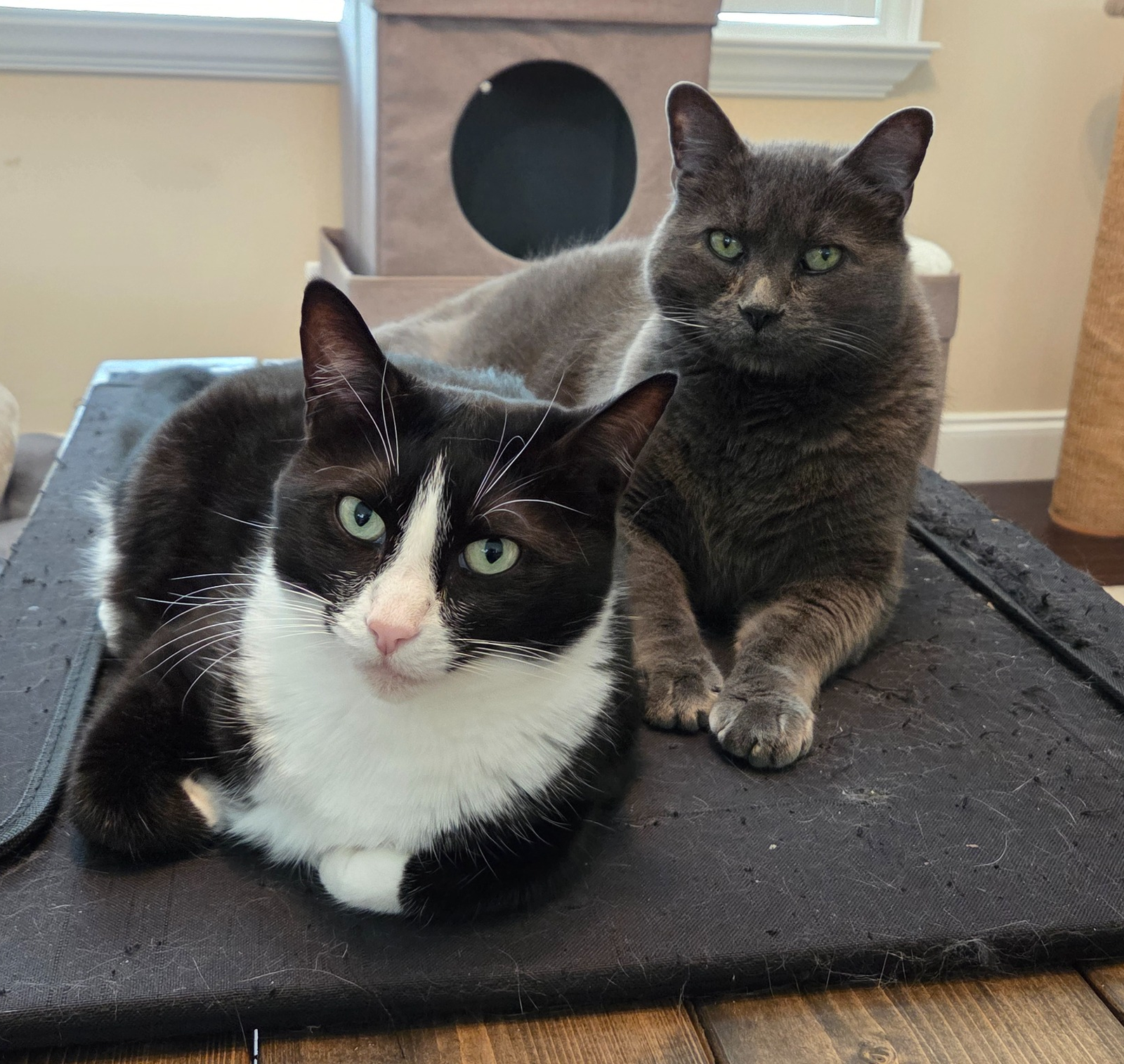
Debbie Reid is the founder and chief editor of CatPedia.net, with over 25 years of hands-on experience in feline care, rescue, and behavior research. Inspired by her rescue cats Snickers and Bigboy, she collaborates with animal welfare resources and consults veterinary literature to turn complex feline health, nutrition, and behavior topics into clear, actionable guides.