Has your normally quiet cat suddenly become a nonstop talker? Some cats naturally meow more than others, but a noticeable increase usually means your cat is trying to tell you something.
Sometimes the reason is simple: they’re hungry, bored, or looking for attention. Other times, frequent meowing can be a sign of stress, pain, or an underlying health problem. Here’s how to figure out what your cat’s meowing means and when it’s worth calling your vet.
Why Is My Cat Meowing So Much?
Cats meow for all kinds of reasons, and many of them are completely normal. Adult cats use meowing mainly to communicate with people, so the first question is usually: What is your cat trying to tell you?
The most common reasons include:
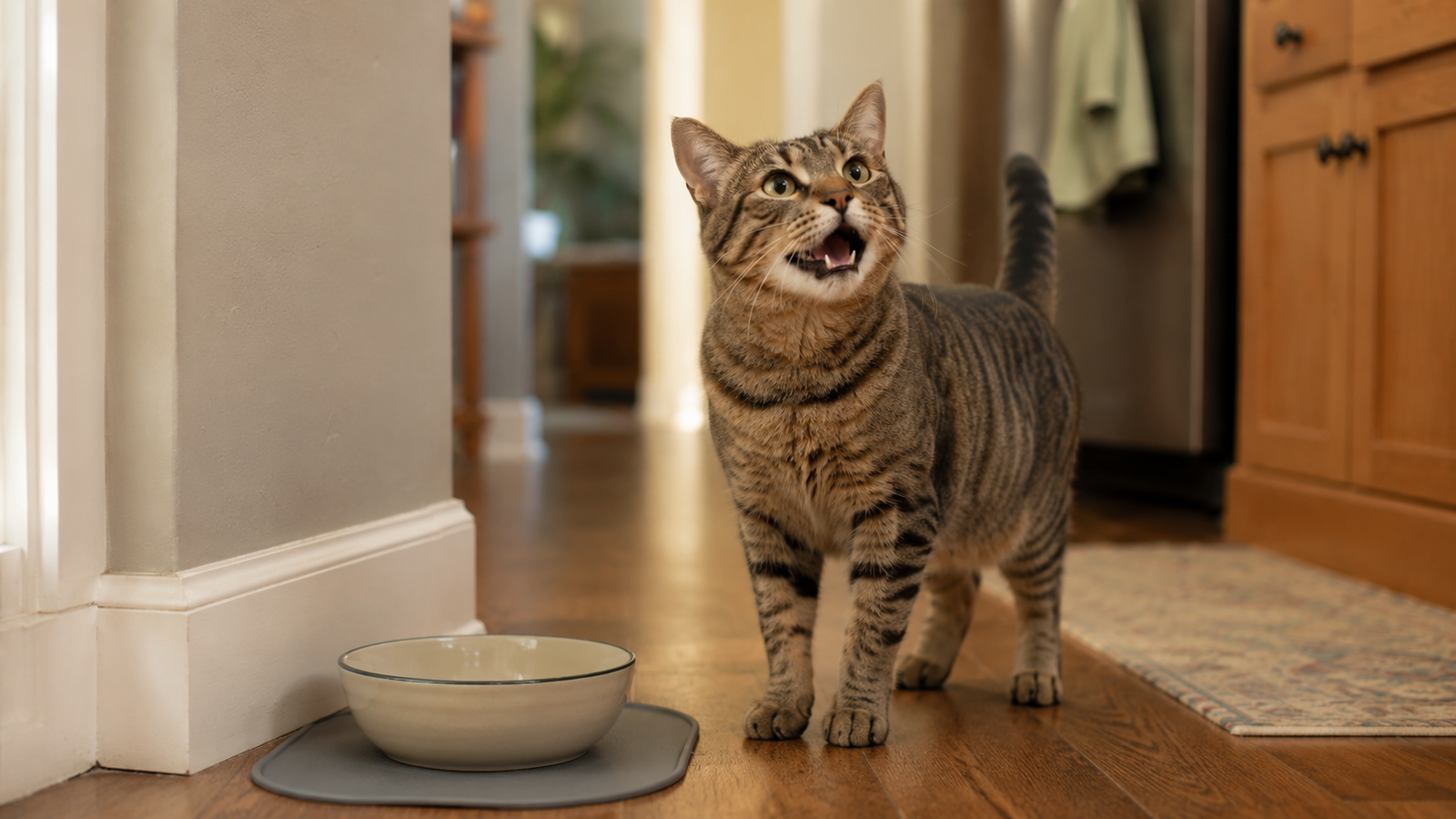
- Hunger: Some cats become very vocal before meals or whenever they think food might be coming.
- Attention: Your cat may want to be petted, played with, picked up, or simply acknowledged.
- Boredom: Indoor cats without enough activity may meow because they want something to do.
- Stress: Moving, visitors, a new pet, schedule changes, or even furniture being rearranged can make some cats more vocal.
- Wanting access: A closed bedroom door, window, closet, or trip outside can trigger repeated meowing.
- Being in heat: Unspayed female cats can become extremely vocal when they are in heat.
- Pain or discomfort: Cats may meow more when something hurts or they don’t feel well.
- Illness: Conditions such as hyperthyroidism, kidney disease, and high blood pressure can cause increased vocalization, particularly in older cats.
- Aging: Hearing or vision loss and cognitive changes can cause senior cats to wander and cry, especially at night.
Why Is My Cat Meowing So Much All of a Sudden?
A sudden change deserves more attention than a cat that has always been vocal.
Start by thinking about what changed around the same time. Did you change their feeding schedule? Bring home another pet? Start working different hours? Close off a room they normally use?
Stress and routine changes can cause temporary increases in vocalization.
But if nothing obvious has changed, watch for physical symptoms such as:
- Eating much more or less than usual
- Drinking more water
- Losing weight
- Vomiting or diarrhea
- Hiding
- Limping or avoiding jumps
- Restlessness
- Litter box changes
- Acting confused or disoriented
A new behavior with other symptoms is more likely to need a veterinary check than meowing alone.
Why Is My Cat Meowing So Much at Night?
Nighttime meowing is especially common because cats don’t necessarily follow the same sleep schedule we do.
A young or active cat may simply be awake and ready for something to happen. If sleeping all afternoon leaves your cat full of energy at midnight, they may wander the house, play, or start calling for you.
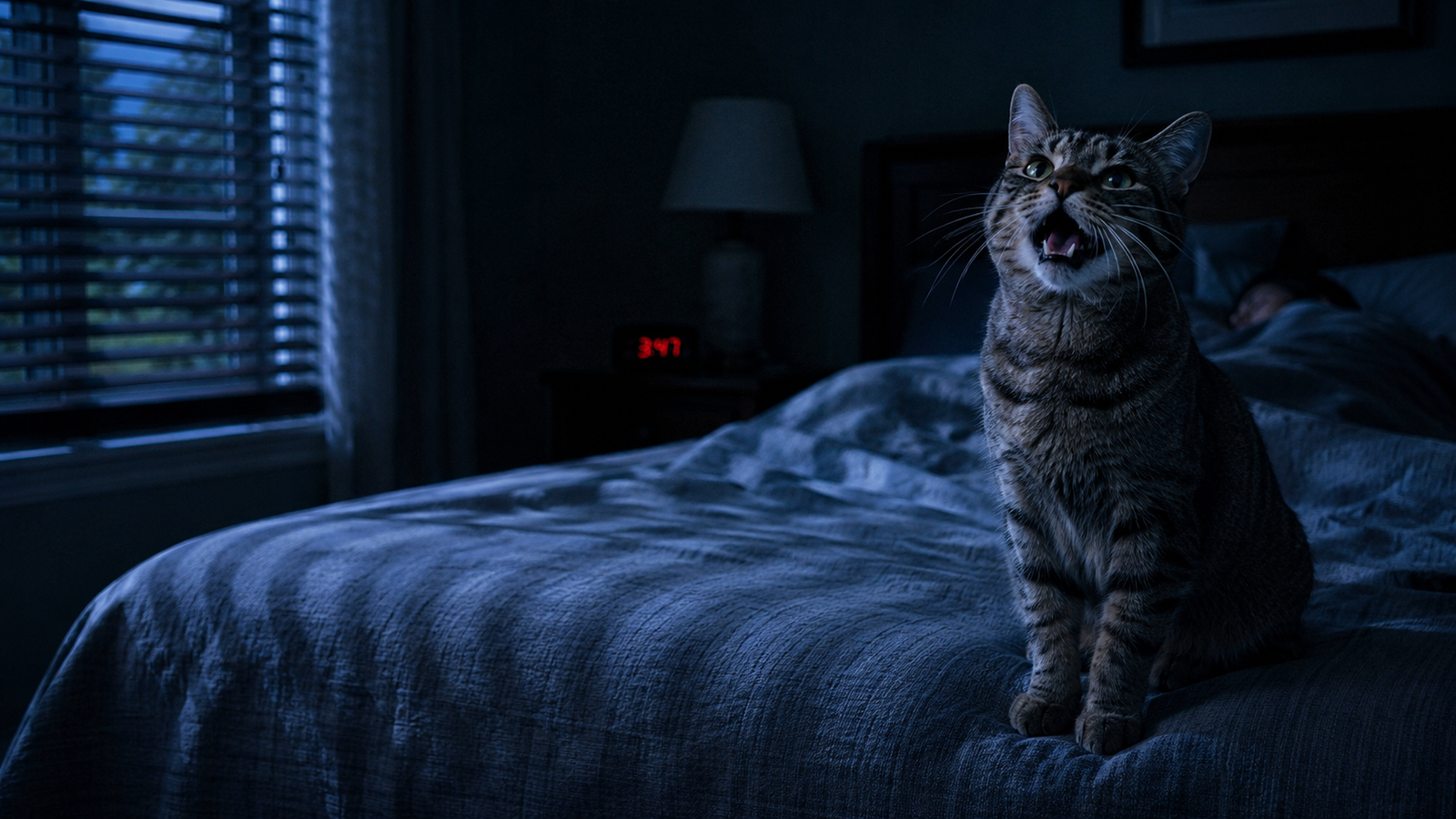
Hunger is another common reason. Cats quickly learn that waking a person at 4:00 a.m. can lead to breakfast, and once it works, there’s a good chance they’ll try it again.
Try:
- Adding active play during the evening
- Feeding the last meal closer to bedtime
- Using puzzle feeders for nighttime activity
- Keeping a consistent daily schedule
- Using an automatic feeder for cats that wake you specifically for breakfast
If you know your cat is healthy and all of their needs are met, avoid rewarding demand meowing with food or attention. Even occasionally getting out of bed can teach a cat that persistence works.
Nighttime crying is different in an older cat, however. Senior cats may vocalize because they are confused, anxious, in pain, losing their hearing or vision, or developing an age-related medical problem.
Why Is My Older Cat Meowing So Much?
If a senior cat suddenly becomes much louder or starts wandering around crying, don’t assume it’s simply old age. Increased vocalization can be one of the first signs that something has changed.
Older cats are more likely to develop conditions that can affect their behavior, including:
- Hyperthyroidism
- Kidney disease
- High blood pressure
- Arthritis and other painful conditions
- Hearing or vision loss
- Feline cognitive dysfunction
Other symptoms can help narrow down the cause. A cat with hyperthyroidism may become restless and vocal while eating more and losing weight. Kidney disease can cause increased thirst and urination, while arthritis may make a cat cry when jumping, climbing stairs, or getting comfortable.
If your older cat wanders around meowing at night, seems confused in familiar rooms, or suddenly has a different sleep schedule, hearing loss, vision changes, or cognitive dysfunction may be involved.
Any new increase in vocalization in a senior cat is worth mentioning to your vet, especially if it comes with changes in appetite, weight, thirst, litter box habits, or mobility.
Why Does My Cat Keep Meowing at Me?
If your cat follows you around meowing directly at you, they probably want something from you.
Try running through the basics:
- Is it close to mealtime?
- Is the water bowl full?
- Is the litter box clean?
- Is a favorite door closed?
- Have you played with your cat today?
- Does your cat want affection?
- Is something outside the window getting their attention?
Cats are excellent at learning which behaviors get results. If meowing causes you to fill the bowl, open a door, throw a toy, or start petting them, your cat learns that meowing works.
That doesn’t mean you should simply ignore every meow. First make sure your cat isn’t hungry, trapped somewhere, uncomfortable, or showing signs of illness. Once you know the meowing is purely attention-seeking, you can start rewarding quiet behavior instead.
When to Worry About a Cat Meowing a Lot
The amount of meowing matters less than a change from your cat’s normal behavior.
Contact your vet if excessive meowing:
- Starts suddenly without an obvious reason
- Continues for several days
- Is much louder or more distressed than usual
- Comes with loss of appetite
- Comes with unexplained weight loss
- Happens along with increased thirst or urination
- Is accompanied by vomiting or diarrhea
- Occurs when your cat moves, jumps, eats, or uses the litter box
- Comes with hiding, weakness, or unusual aggression
- Develops for the first time in a senior cat
Pay particular attention to the litter box. A cat repeatedly going to the box, straining, crying, or producing little or no urine needs immediate veterinary attention. Urinary blockage can become life-threatening, particularly in male cats.
Difficulty breathing, collapse, severe weakness, or obvious extreme pain are also reasons to seek urgent veterinary care.
How to Get a Cat to Stop Meowing So Much
The solution depends on why your cat is meowing in the first place.
If hunger is the problem, stick to regular feeding times rather than feeding every time your cat asks. An automatic feeder can also break the connection between meowing at you and food appearing.
For boredom or attention-seeking, increase daily activity. Short play sessions with wand toys, climbing opportunities, window perches, puzzle feeders, and rotating toys can give an indoor cat more to do.
If your cat meows at doors, try to keep your response consistent. Opening the door occasionally after five minutes of screaming teaches your cat that five minutes of screaming works.
And avoid yelling or punishing your cat for being noisy. It doesn’t address the reason for the behavior and can make stress-related vocalization worse.
Most importantly, don’t try to train away a new meowing problem until you’ve ruled out pain or illness.
How Vets Diagnose Excessive Meowing
There isn’t one test for excessive vocalization. Your veterinarian will look for the reason behind the behavior.
Depending on your cat’s age and symptoms, that may include:
- A physical examination
- Checking the mouth and teeth
- Looking for signs of pain or arthritis
- Blood tests
- Urinalysis
- Thyroid testing
- Blood pressure measurement
- Vision or hearing evaluation
If medical problems are ruled out, your vet may then look at stress, anxiety, learned behavior, or cognitive changes as possible causes.
Keeping notes about when your cat meows, what happens immediately before it, and what makes it stop can make patterns much easier to spot.
Frequently Asked Questions
Why is my cat meowing so much but acting normal?
Your cat may be hungry, bored, looking for attention, reacting to a routine change, or simply naturally talkative. If the increase is new and continues, however, keep watching for changes in appetite, weight, thirst, litter box use, or activity.
Why does my cat walk around the house meowing?
Some cats walk around meowing when looking for a person, another pet, food, or access to a room. Stress and boredom can also cause it. In senior cats, wandering and crying can sometimes be associated with sensory loss, pain, medical problems, or cognitive dysfunction.
Why is my cat meowing and rubbing against everything?
Rubbing is normal scent-marking and social behavior, and many cats rub against people or furniture when excited or asking for attention. If an unspayed female suddenly becomes extremely affectionate, rolls around, raises her hindquarters, and vocalizes constantly, she may be in heat.
Can cats meow because they are in pain?
Yes. Cats often hide pain, but increased vocalization can be one sign. You may also notice hiding, decreased jumping, restlessness, changes in posture, aggression when touched, or changes in eating and litter box habits.
Why does my cat meow after I feed them?
Your cat may want more food, attention, or simply enjoy talking to you. But a cat that suddenly seems hungry all the time, especially while losing weight, should be checked by a veterinarian.
Should I ignore my cat when they meow?
Not automatically. First make sure your cat has food, water, a clean litter box, access to the places they need, and no signs of pain or illness. If you know the meowing is attention-seeking or demand behavior, rewarding your cat when they are quiet instead can help break the habit.
Is Excessive Cat Meowing Something to Worry About?
Not necessarily. Some cats are naturally talkative, while others learn that meowing is a good way to get food, attention, or an open door.
If the meowing is new, persistent, or unusual for your cat, it’s worth figuring out why. Once a health problem has been ruled out, you can focus on the behavior itself and what may be triggering it.
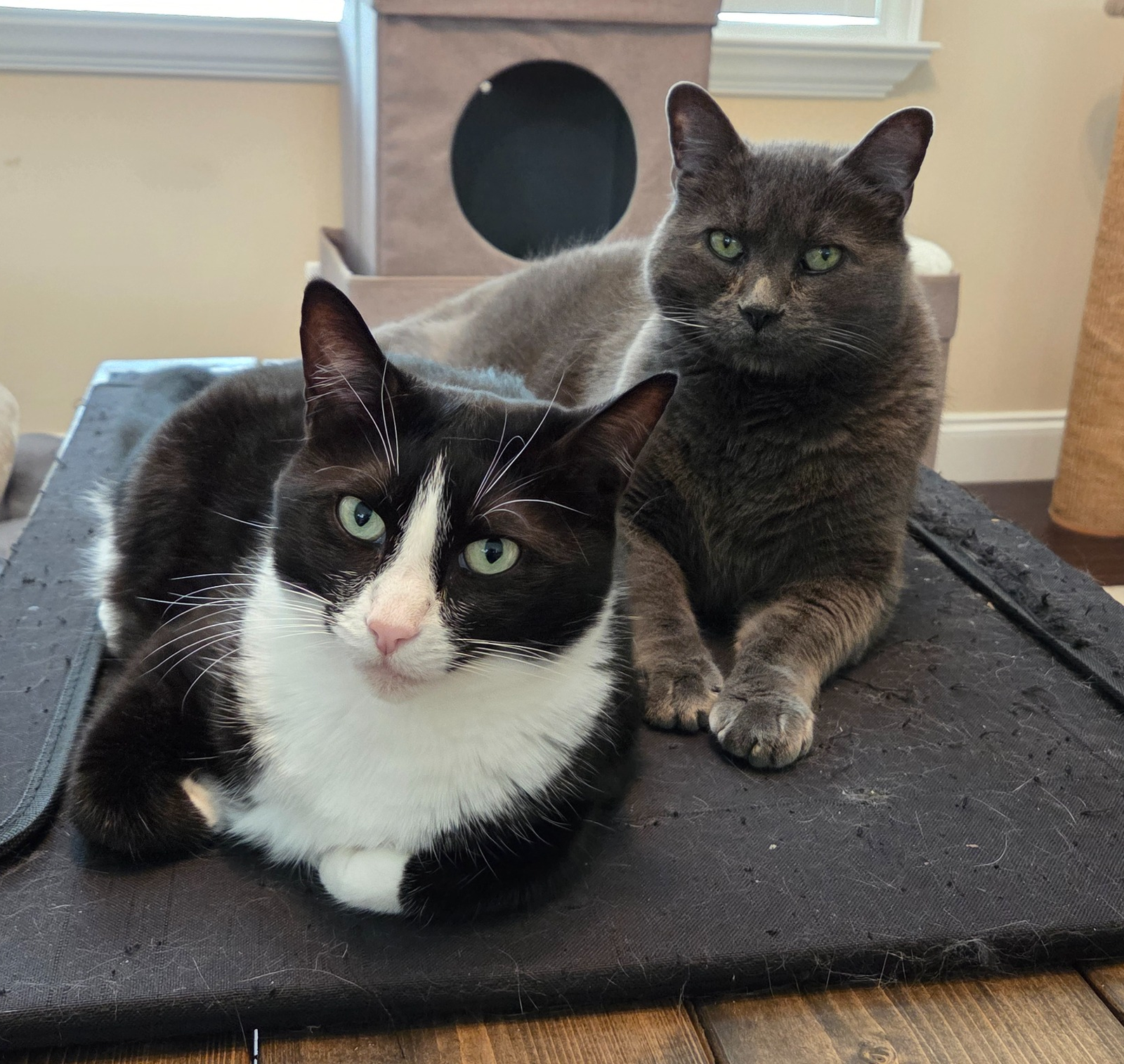
Debbie Reid is the founder and chief editor of CatPedia.net, with over 25 years of hands-on experience in feline care, rescue, and behavior research. Inspired by her rescue cats Snickers and Bigboy, she collaborates with animal welfare resources and consults veterinary literature to turn complex feline health, nutrition, and behavior topics into clear, actionable guides.