
Cats have an incredibly strong sense of smell. While humans have about 5 million scent receptors in their noses, cats have around 200 million. That powerful nose helps them detect food, recognize territory, and notice changes in their environment that people might miss.
Because their noses are so sensitive, certain odors can feel overwhelming to them. A scent that seems mild or even pleasant to us may be extremely strong to a cat. That’s why some smells make cats pull away, turn their heads, or avoid an area completely. Knowing which smells cats hate can help keep your cat comfortable and may even discourage them from areas you don’t want them going.
Why Cats Are So Sensitive to Smells
Cats rely on scent far more than humans do. They use smell to detect food, recognize people and other pets, mark territory, and judge whether something feels safe in their environment.
Because their noses are so sensitive, strong odors like perfume, cleaners, or citrus can feel overwhelming. In many cases a cat is not being dramatic — the smell really is too strong for their nose.
This strong sense of smell is also why certain scents can repel cats. If an odor feels overwhelming or unpleasant, a cat may simply decide the area is not worth exploring.
What Smells Do Cats Hate?
Cats often dislike strong, sharp, or heavily scented odors. While every cat is different, these are some of the smells many cats tend to avoid.
Citrus Scents
Lemon, orange, lime, and grapefruit are some of the best-known scents cats dislike. Many cats turn away from fresh citrus peels, cleaners, and citrus-scented sprays.
Fresh peel is one thing, but concentrated citrus oils are much stronger and should be used carefully around pets.
Vinegar
Vinegar has a strong sour smell that many cats do not enjoy. Because of that, diluted vinegar is sometimes used as a temporary deterrent on certain hard surfaces.
It should never be sprayed directly on your cat or used in a way that traps your cat near the smell.
Mint and Other Strong Essential-Oil Scents
Peppermint and other strong mint scents can be too intense for many cats. The same is true for tea tree and similar essential-oil-based fragrances.
The bigger concern is safety. Concentrated oils can be risky for cats if inhaled heavily, licked, or left on fur, skin, or surfaces they touch.
Lavender and Eucalyptus
Lavender and eucalyptus may smell calming or fresh to people, but many cats find them overpowering. A lightly scented product across the room is very different from a strong oil placed near your cat’s bed, food, or favorite resting area.
These stronger scents should be used with caution around cats, especially in concentrated form.
Strong Cleaning Products
Bleach, ammonia, disinfectants, and other harsh cleaners can all bother cats. Even after a surface looks dry, the lingering smell may still be unpleasant.
These products can also irritate paws, skin, airways, or the stomach if residue is licked later, so cats should be kept away until the area is fully dry and well aired out.
Perfumes and Air Fresheners
Many cats dislike perfume, plug-in air fresheners, room sprays, and scented candles. These products fill the air with constant fragrance, which can be uncomfortable for cats in small indoor spaces.
If your cat starts avoiding a room after you add a new fragrance product, the smell may be the reason.
Spicy Scents
Sharp spices like chili powder, cayenne, and strong pepper smells can irritate a cat’s nose and make them back away quickly.
They are not good deterrents, though, because they can also irritate the eyes, nose, and paws.
Banana Peels
Banana peels have a stronger smell than the fruit itself, and some cats react to them right away. A quick sniff followed by backing away is not unusual.
Coffee Grounds
Some cats dislike the bitter, earthy smell of coffee grounds. The scent can be strong enough to bother sensitive cats, especially in small areas.
Smells That Are Not Safe for Cats
Some smells that cats dislike are not just unpleasant. In concentrated form, certain scents can also be unsafe for cats.
Essential oils should be used very carefully in homes with cats. Oils such as tea tree, eucalyptus, peppermint, cinnamon, clove, and some citrus oils can be risky if cats inhale heavy amounts, lick residue, or get the oil on their fur or skin.
Use extra caution with:
- Diffusing essential oils in small or poorly ventilated rooms
- Undiluted oils on fabrics, bedding, or furniture
- Homemade sprays with strong concentrations
- Applying scented products directly to your cat
If your cat is exposed to a strong scented product and begins vomiting, drooling, acting weak, having trouble breathing, or behaving unusually, contact your veterinarian right away. You can also reach out to the ASPCA Animal Poison Control for guidance.
Smells That Repel Cats (Safer Options to Try)
If you are trying to keep a cat away from a certain spot, it helps to start with gentle options. The goal should be to make an area less appealing, not to overwhelm or punish your cat.
Some common smell-based deterrents people try include:
- Fresh citrus peels in areas cats should avoid
- Diluted vinegar on certain hard outdoor or indoor surfaces
- Cat-safe commercial deterrent sprays made for furniture or scratching areas
- Cleaning products that remove the smell of old accidents so the cat is less likely to return
Even with safer options, always test carefully. Make sure your cat still has easy access to food, water, litter boxes, resting spots, and other areas that do not smell unpleasant.
Can Smells Stop Cats From Peeing on Things?
When a cat starts peeing on rugs, laundry, beds, or corners of the house, many people wonder if certain smells can keep them away. Scent deterrents can sometimes help discourage repeat marking in a specific spot, but they are rarely the full solution.
If a cat is peeing outside the litter box, it is important to look at the underlying cause. Medical problems, stress, litter box setup, and tension with other pets are some of the most common reasons cats begin avoiding the box.
If your cat keeps having accidents around the house, scent deterrents alone usually will not solve the problem.
How to Use Smells to Keep Cats Away From Certain Areas
If you want to use scent as a gentle deterrent, keep it simple. Use mild smells in small amounts, and always give your cat another place to go.
For example, if your cat keeps jumping onto one plant shelf, you might place a little citrus peel nearby for a short time while also giving them a better perch by the window. If your cat scratches one corner of the couch, a cat deterrent spray plus a nearby scratching post often works better than scent alone.
The best results usually happen when smell is paired with redirection. In other words, instead of only blocking a behavior, guide your cat toward the place you want them to use.
What to Avoid When Using Smells Around Cats
There are a few mistakes that can make smell-based deterrents backfire.
- Do not trap your cat near a smell they hate
- Do not spray anything directly on your cat
- Do not put strong scents near food, water, beds, or litter boxes
- Do not assume that natural always means safe
- Do not use scent to cover up urine smells instead of cleaning them properly
That last point matters a lot. If a cat has peed somewhere before, leftover odor can pull them back even if you add another scent on top. Cleaning the area fully is often more useful than trying to mask it.
FAQs
What smells do cats dislike the most?
Most cats tend to avoid strong, sharp smells. Citrus, vinegar, mint, eucalyptus, and heavy perfumes are among the scents many cats dislike. However, every cat reacts a little differently.
Do cats hate the smell of vinegar?
Yes, many cats do. Vinegar has a strong sour smell that cats often avoid, which is why some people use diluted vinegar as a temporary deterrent on certain surfaces.
Are there smells that repel cats but are still safe to use?
Fresh citrus peel and diluted vinegar are sometimes used as gentler deterrents. Even so, they should be used carefully so your cat can easily leave the area if the smell bothers them.
Can essential oils be used to keep cats away?
That is usually not recommended. Many essential oils are very strong for cats, and some can be harmful if inhaled heavily, licked, or absorbed through the skin.
Can smells stop cats from peeing on things?
Strong smells may discourage a cat from returning to one spot, but scent alone rarely solves the problem. Cleaning the area well and addressing the reason for the behavior is usually more effective.
Final Thoughts
Cats have an extremely sensitive sense of smell, so odors that seem mild to us can feel overwhelming to them. Scents like citrus, vinegar, strong cleaners, and perfumes are some of the smells many cats naturally avoid.
If you use scent as a deterrent, keep it mild and always give your cat a better place to go. Pairing gentle scent deterrents with good litter box setup, scratching posts, and comfortable resting spots usually works better than relying on smell alone.
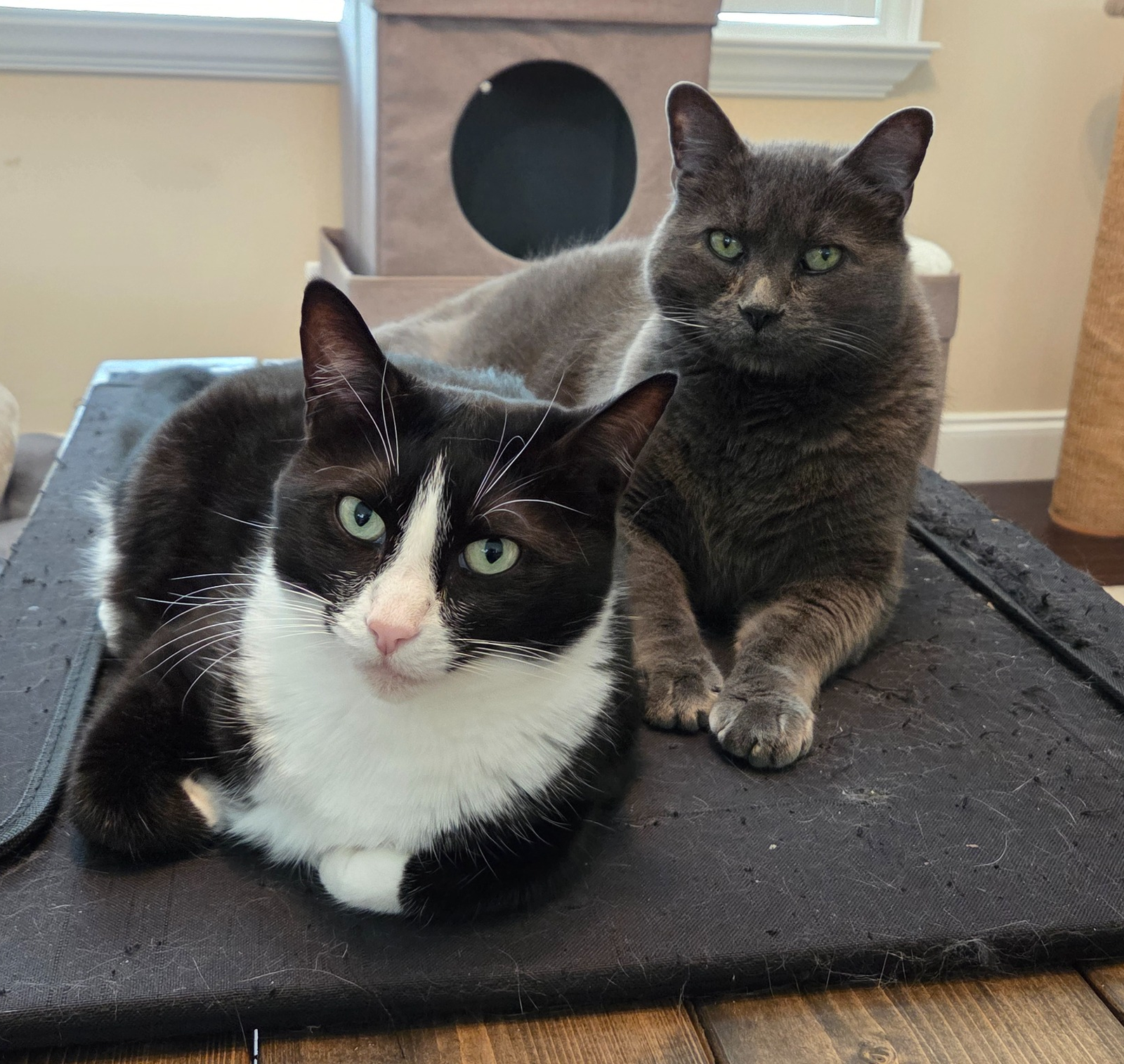
Debbie Reid is the founder and chief editor of CatPedia.net, with over 25 years of hands-on experience in feline care, rescue, and behavior research. Inspired by her rescue cats Snickers and Bigboy, she collaborates with animal welfare resources and consults veterinary literature to turn complex feline health, nutrition, and behavior topics into clear, actionable guides.