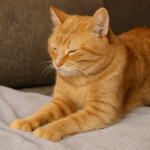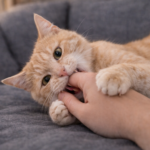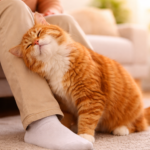
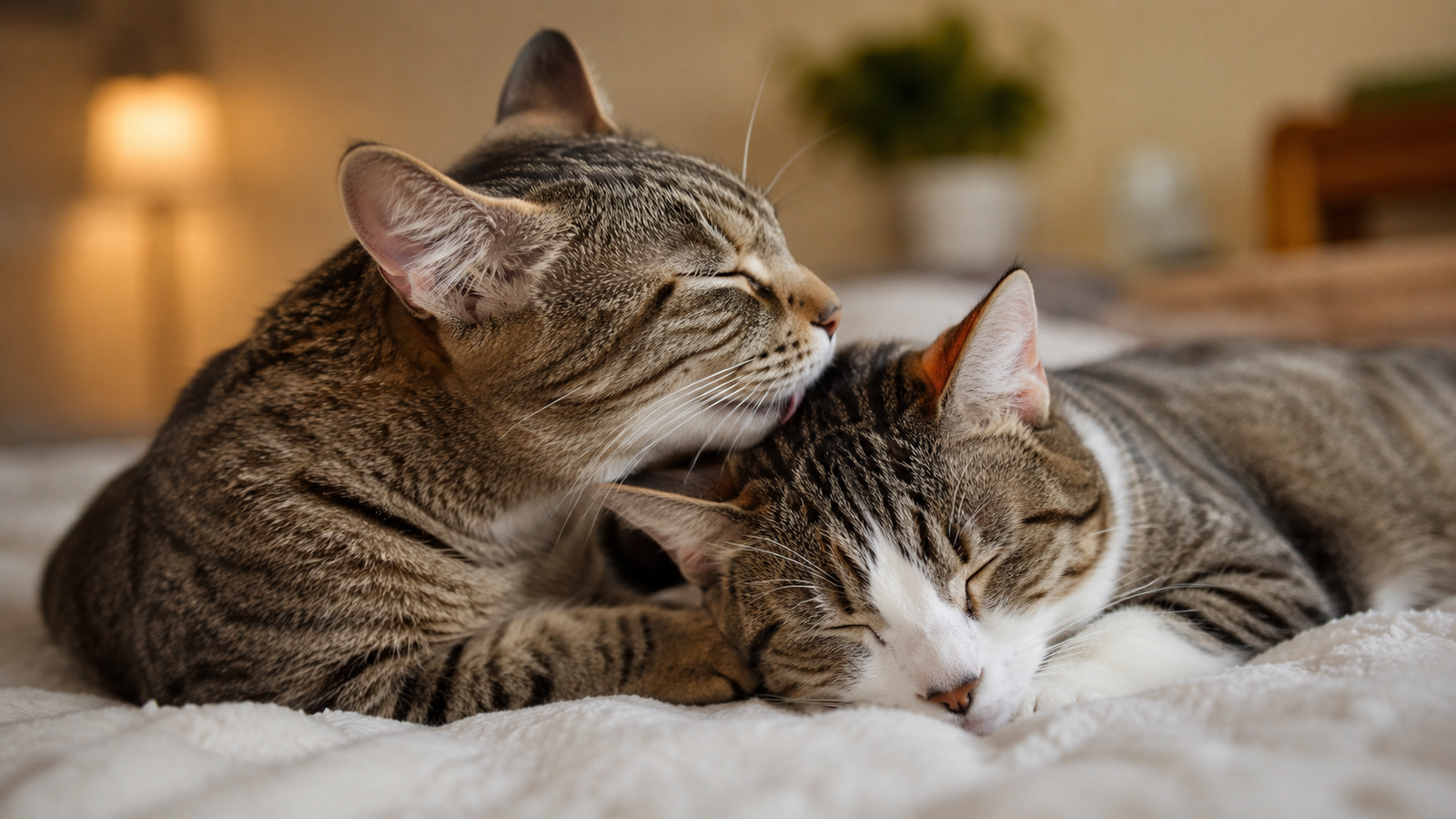
Have you noticed your cats taking turns washing each other, or one sitting still while the other licks the top of their head? That’s allogrooming, and it’s one of the clearest signs they actually like each other.
We’ll look at why cats groom each other, what it really says about their bond, and why a calm grooming session sometimes ends with a sudden swat or short wrestle.
What Does It Mean When Cats Groom Each Other?
Unlike autogrooming, which is the daily cleaning cats do on themselves, allogrooming is a social behavior. It usually means the cats trust each other enough to be physically close.
It’s most common between cats with an established relationship, such as littermates, a mother and her kittens, or cats that have lived together long enough to form a bond. Allowing another cat near vulnerable areas like the head, ears, and neck shows a level of trust that cats don’t usually extend to strangers.
Why Do Cats Groom Each Other?
They Feel Safe Together
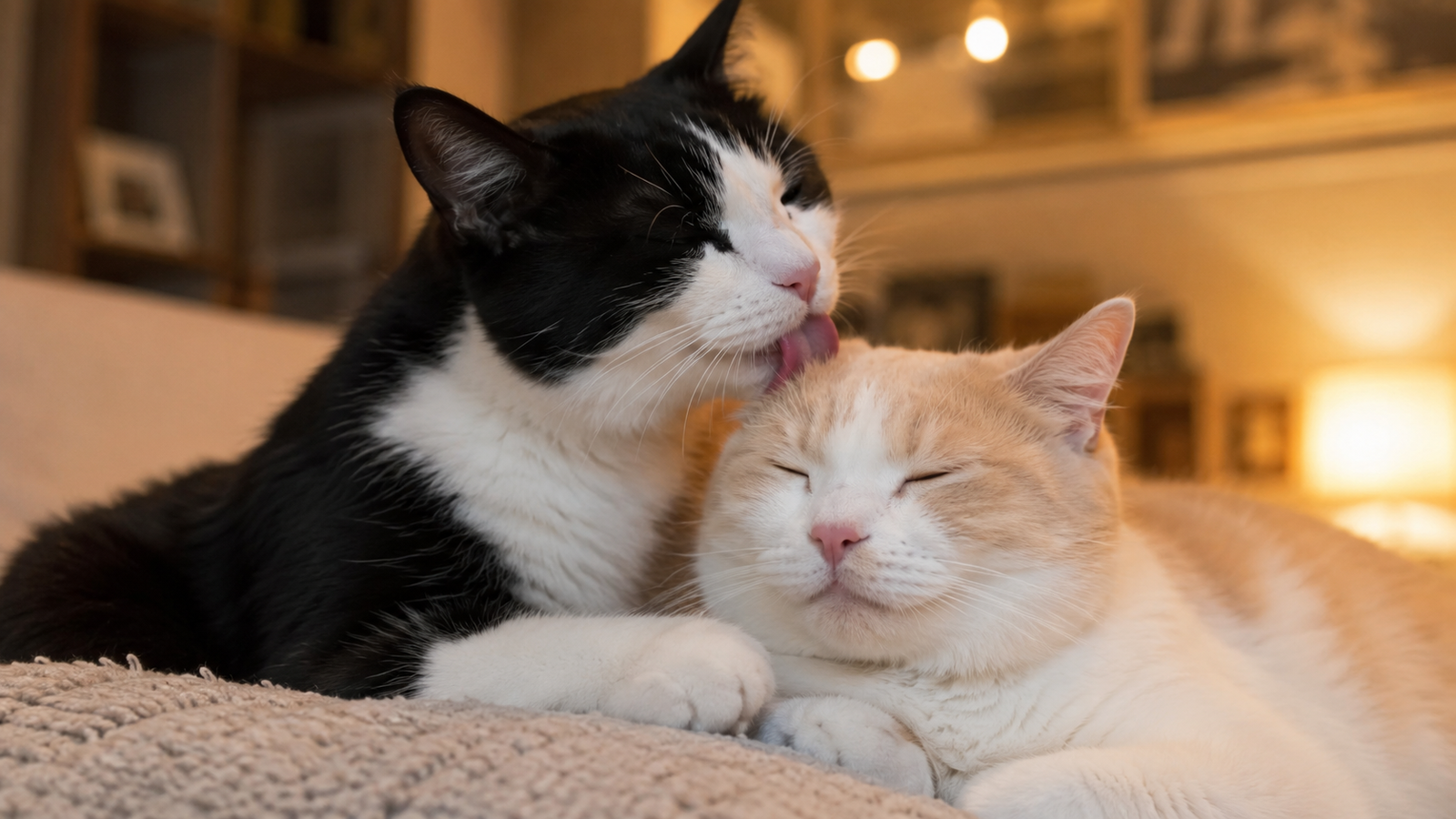
The most common reason cats groom each other is that they feel safe together. Mutual grooming helps reinforce that social bond. One cat has to sit still while the other gets very close, and cats usually won’t allow that from another cat they don’t trust.
Not every bonded pair grooms, though. Some cats show their closeness in other ways, like sleeping curled up together, playing, or following each other from room to room. If your cats don’t groom each other but hang out constantly, they’re still bonded.
They’re Sharing a Group Scent
Cats rely heavily on smell to recognize members of their social group. When two cats groom each other, they mix their scents, which helps reinforce that they belong together. This is part of why the head and face get so much attention, since cats have several scent glands in those areas.
You can see this play out when one cat comes home from the vet. The other cat may hiss, avoid them, or even swat at them for a few hours, not because they suddenly forgot who they are, but because the familiar scent has changed. Once the vet smell fades, things usually settle down.
It Started with Mom and It Still Feels Good
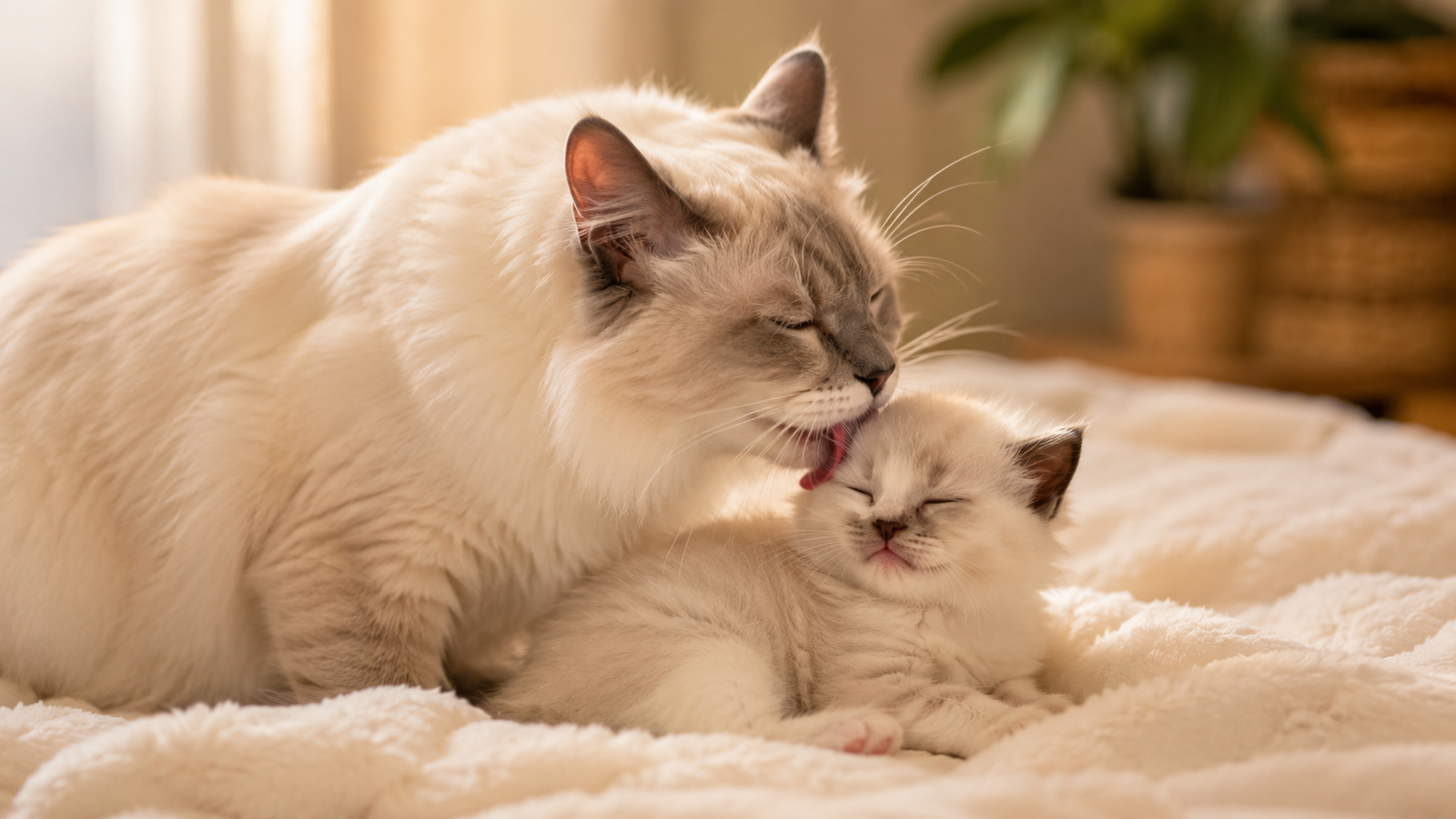
Grooming is one of the earliest things kittens experience. From birth, mother cats groom their kittens to clean them, keep them warm, and stimulate urination and defecation.
Cats seem to carry that association into adulthood. Many cats seek out grooming from their companions and settle into it the way they settle into a slow petting session, which suggests the sensation itself is rewarding.
It Helps Them Stay Clean
A cat’s tongue is covered in tiny backward-facing barbs called papillae, which work like a built-in hairbrush. As they lick, these barbs pull loose fur, dirt, and debris from the coat.
Grooming each other helps cats clean areas that are difficult to reach on their own, including the top of the head, the ears, under the chin, and the back of the neck. This extra help keeps loose fur and debris from building up and can reduce tangles and matting.
Sometimes It’s About Easing Tension
When two cats are close to a disagreement, one might start grooming the other instead. The physical contact defuses the moment, and neither cat has to back down or attack.
You’ll sometimes see this after a scuffle too. Once things settle, one cat may groom the other as a way of moving past the moment: the feline version of resetting the relationship.
Is Grooming a Sign My Cats Like Each Other?
In most cases, yes. Calm, relaxed grooming is a strong sign your cats are comfortable with each other. Signs the grooming is friendly include:
- Both cats have relaxed, soft body language
- One or both cats purr
- They take turns, or the receiving cat leans in
- They rest or nap together afterward
- Neither cat tries to move away
Plenty of bonded cats never groom each other, and that’s fine too. Some show their closeness by sleeping in the same spot, playing, or calmly sharing space. Grooming is one sign of a bond, not the only one.
Why Does One of My Cats Always Groom the Other?
One-sided grooming is common and usually not a problem. Cats have different personalities, and one cat may simply be more likely to initiate social contact. They start the grooming, while their housemate is happy to sit there and receive it without returning the favor.
The better question is whether the receiving cat is free to leave. If they can walk away whenever they want, one-sided grooming is fine. It’s only worth a closer look if the receiving cat looks trapped, tries repeatedly to escape, or ends up with bald patches from the other cat licking too hard.
Why Do My Cats Groom Each Other Then Fight?
A grooming session that ends in a bite, swat, or short wrestling match can be a little confusing to watch. In most cases, though, it’s not a real fight. It’s just one cat setting a boundary the other cat pushed past.
The most common reason is overstimulation. Grooming feels good up to a point, and once the receiving cat has had enough, they may snap, swat, or bite to say so. That can also happen when the grooming gets too rough on a sensitive spot like the ears or belly. The receiving cat isn’t being mean, they’re just done.
Sometimes the interaction simply shifts into play. Cats often move from grooming to wrestling or chasing without any real conflict between them.
In other cases, there’s genuine tension underneath, such as competition over food bowls, litter boxes, a favorite sleeping spot, or your attention. When that tension is already there, grooming can be enough to tip the interaction into a fight.
When the Swat Is Normal
Most post-grooming scuffles fall into this category. Signs the interaction is fine:
- A quick nip or brief bite, then the cats separate
- One or two swats, no claws out
- A short chase or wrestle that ends within seconds
- Both cats calm down quickly and go about their day
- No injuries, no yowling, no one hiding afterward
When It’s a Real Fight
These signs point to a real conflict rather than a normal boundary being set:
- Screaming, yowling, or repeated hissing
- Flattened ears, dilated pupils, and puffed-up fur
- Hard biting or scratching that leaves injuries
- Repeated chasing when one cat is clearly trying to get away
- One cat blocking access to food, litter, or resting areas
- One cat hiding, acting fearful, or avoiding the other afterward
If grooming sessions regularly end in a real fight, underlying stress or competition may be involved. Separate feeding stations, extra litter boxes, and more resting spots can reduce conflict by giving each cat their own places to eat, use the litter box, and rest.

Should I Stop My Cats from Grooming Each Other?
Most of the time, no. Calm grooming between cats is normal, and there is no reason to interrupt it when both cats appear comfortable. Step in if one cat is distressed or the grooming starts damaging their skin or coat.
Interrupt the grooming if:
- One cat repeatedly tries to move away but the other keeps going
- The grooming causes bald patches, broken hairs, sores, or irritated skin
- One cat looks frightened or trapped
- It regularly ends in a real fight rather than a quick swat
- A cat is licking a wound or surgical incision
- One cat may have fleas, mites, ringworm, or another contagious skin condition
- The grooming suddenly becomes more intense or obsessive
Sudden changes in grooming, bald spots, or irritated skin are worth mentioning to your veterinarian. Changes in how much a cat grooms or tolerates being groomed can be linked to pain, allergies, parasites, or another health problem.
Frequently Asked Questions
Do cats groom each other because they love each other?
Cats don’t experience love the way people do, but grooming is a strong sign of trust and social bonding. A cat won’t groom another cat they don’t feel safe around, so if your two are licking each other regularly, they’ve built a real connection.
Why does my cat lick my other cat’s head?
The head, face, ears, and neck are hard for a cat to groom on their own, which is part of why they get most of the attention. Those areas also carry the most scent glands, so licking there helps mix the cats’ scents and reinforce that they belong to the same group.
Why does my cat bite the other cat while grooming?
A quick bite usually means the cat has had enough or the grooming got too rough on a sensitive spot. It can also be an invitation to play. As long as both cats settle quickly and no one looks scared, it’s a normal part of how they communicate.
Why don’t my cats groom each other?
Not all bonded cats groom each other, and that’s fine. Some show their closeness by sleeping together, playing, or calmly sharing space instead. Personality, how long they’ve lived together, and whether they’re related all play a role in how much mutual grooming shows up.
Should I worry if my cats groom each other constantly?
Frequent grooming is fine if both cats look relaxed and their skin and coat stay healthy. It’s worth a closer look if the grooming causes bald patches, sores, or broken hairs, or if one cat clearly wants it to stop. Sudden changes in intensity are worth mentioning to your vet.
What Is Your Cats’ Grooming Really Telling You?
When your cats groom each other, they’re showing one of the clearest signs of a real bond. They feel safe together, trust each other, and see one another as part of the same social group.
Debbie Reid is the founder and chief editor of CatPedia.net, with over 25 years of hands-on experience in feline care, rescue, and behavior research. Inspired by her rescue cats Snickers and Bigboy, she collaborates with animal welfare resources and consults veterinary literature to turn complex feline health, nutrition, and behavior topics into clear, actionable guides.