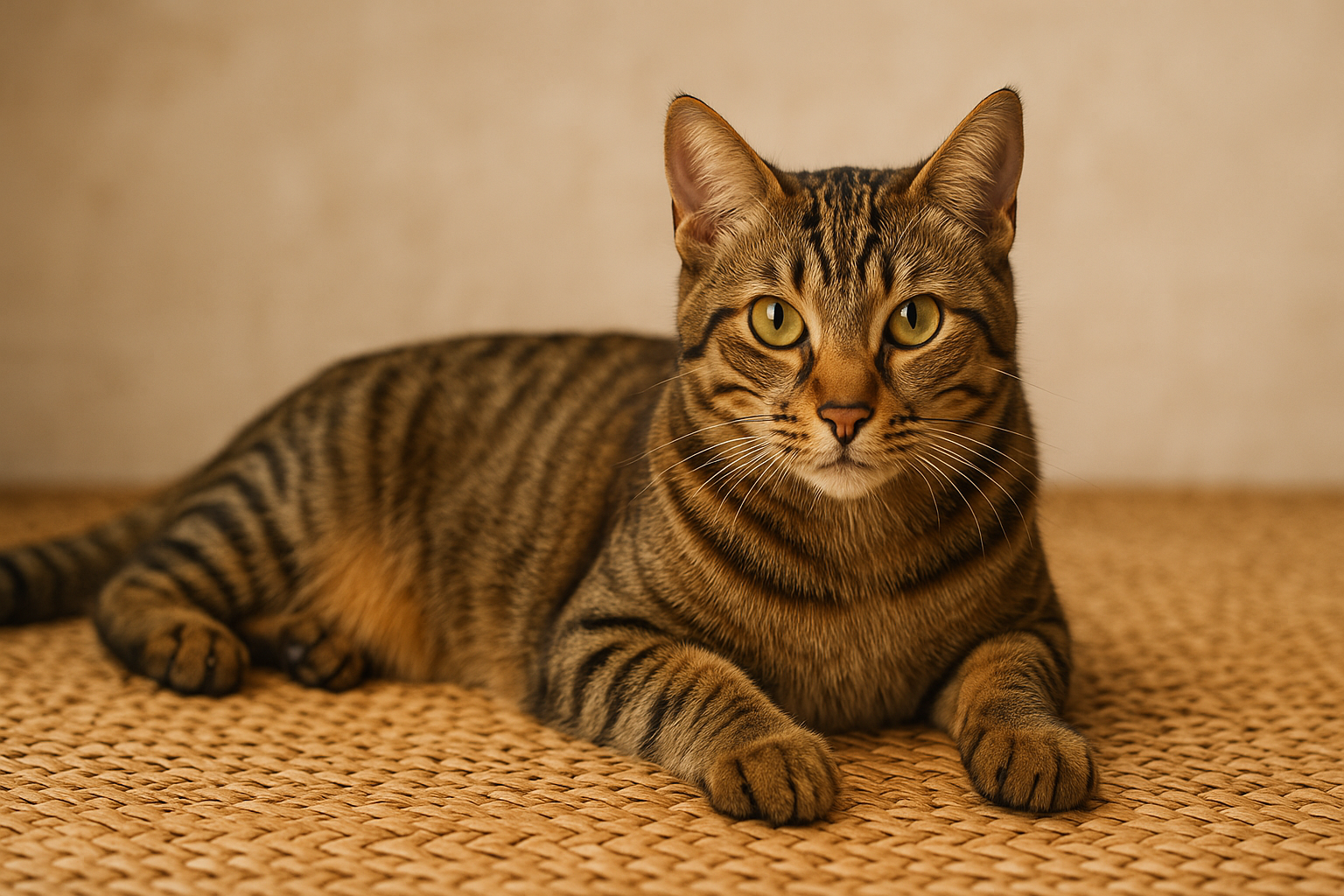
The Dragon Li cat is one of those breeds that makes you look twice. That golden-brown tabby coat, those sharp, alert eyes, and the overall impression of something just slightly wild — it’s a striking cat that carries itself with a confidence you don’t often see in a domestic breed. In China, where it originates, it’s known as the Chinese Li Hua and is considered a natural breed with ancient roots.
They’re not the easiest breed to find outside of China, and they’re not the easiest breed to win over either. Dragon Li cats tend to bond deeply with their people but take their time with strangers, and they have enough independence that they’ll let you know when they want space. For the right owner that’s a feature, not a flaw.
Here’s what it’s actually like to live with a Dragon Li cat, from personality and daily habits to grooming, health, and whether they’re the right fit for your home.
Quick Breed Facts
- Origin: China
- Also known as: Chinese Li Hua, Li Hua Mao
- Breed registries: CFA (miscellaneous status)
- Weight range: 8–12 lbs
- Lifespan: 12–15 years
- Coat: Short, dense, ticked mackerel tabby
- Colors and patterns: Brown tabby with golden tones
- Eye color: Yellow to green
- Grooming: Low maintenance
- Activity level: Moderate
- Affection level: Moderate to high with family, reserved with strangers
- Vocality: Moderate
- Good with children: Yes, with respectful kids
- Good with other pets: Yes, with proper introductions
History & Origin of the Dragon Li Cat
The Dragon Li cat, known in China as the Chinese Li Hua or Li Hua Mao, is believed to be one of the oldest naturally occurring cat breeds in the world. Unlike most pedigreed breeds that were developed through selective human breeding, the Dragon Li evolved largely on its own over thousands of years from Chinese mountain wildcats. References to cats matching its description appear in ancient Chinese texts and artwork, giving the breed a cultural history that most modern breeds simply don’t have.
Despite that ancient lineage, the Dragon Li wasn’t formally recognized as a distinct breed until the early 2000s, when Chinese breeders began working to establish a breed standard. The Cat Fanciers’ Association granted it miscellaneous status, but it remains rare outside of China and largely unknown in Western countries. That rarity is one of the things that makes it interesting, but it also means finding one requires serious effort.
Dragon Li Cat Personality & Temperament
The Dragon Li is a confident, intelligent cat that tends to do things on its own terms. They form strong bonds with their people and can be genuinely affectionate with family members they trust, but they’re not the type to warm up to every stranger who walks through the door. New people and unfamiliar situations are approached with caution rather than curiosity, which is a trait that traces back to their wildcat ancestry.
They’re also observant and routine-oriented. Dragon Li cats notice changes in their environment and tend to prefer a predictable household over a chaotic one. They’re not aloof exactly, but they’re selective — and once you’ve earned their trust, they’re remarkably loyal companions. They’re more likely to sit nearby and watch what you’re doing than to climb into your lap uninvited.
Dragon Li Cat Appearance & Physical Traits
The Dragon Li has a medium to large, muscular build with strong legs and a broad, wedge-shaped head that gives it a distinctly wild look. Their eyes are large and expressive, ranging from yellow to green, and their ears are medium-sized and slightly rounded at the tips. The overall impression is of a compact, athletic cat that looks like it could handle itself outdoors — which makes sense given its origins.
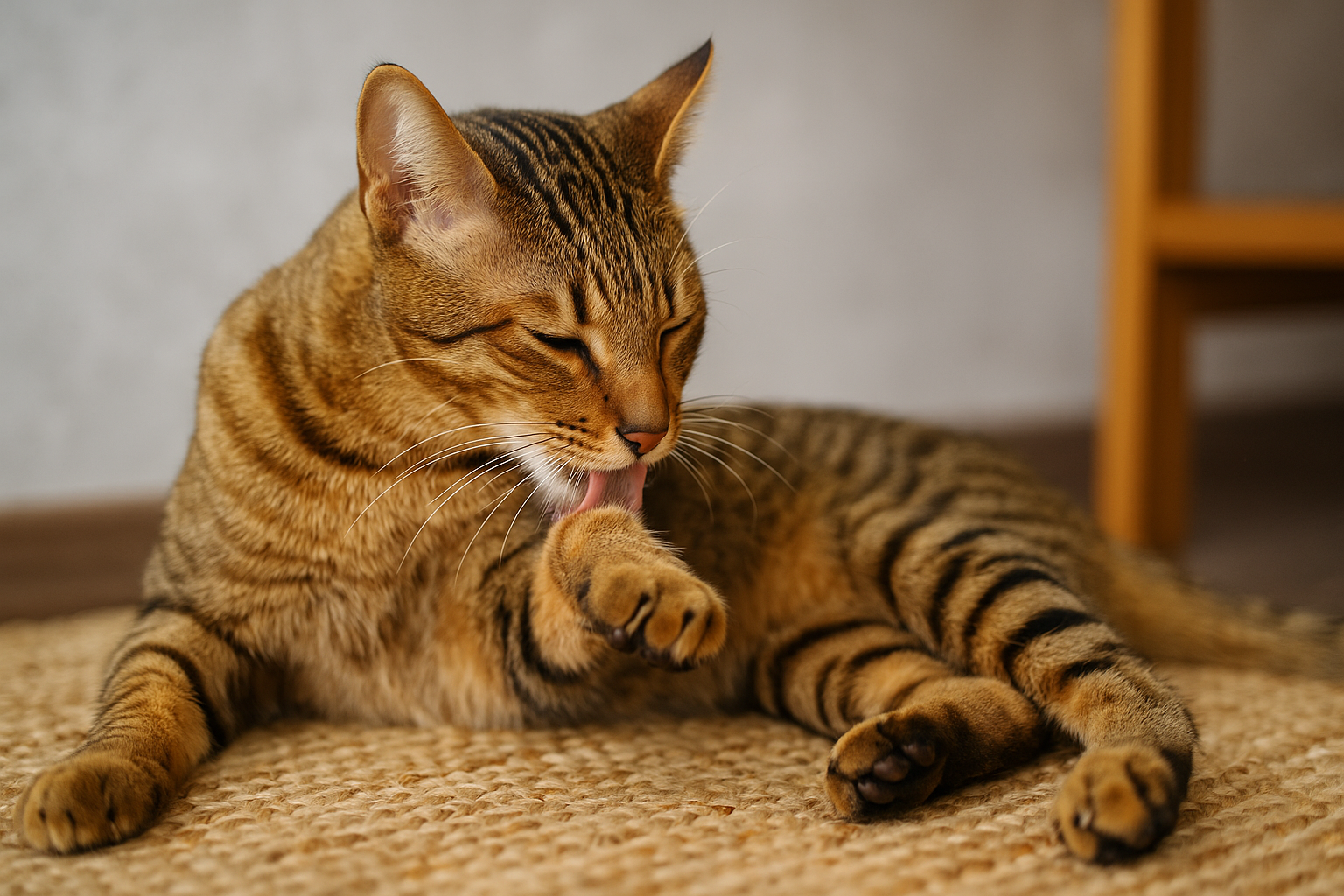
The coat is one of the breed’s most distinctive features. It’s short and dense with a ticked mackerel tabby pattern in warm golden-brown tones, often with darker striping along the spine and legs. The combination of ticking and striping gives the coat a layered, almost textured look that’s quite different from a standard domestic tabby. The pattern is actually one of the breed’s defining characteristics in its official standard.
Dragon Li Cat Grooming & Shedding
The Dragon Li is a low-maintenance breed when it comes to grooming. Their short, dense coat sheds moderately and doesn’t mat, and a weekly brush is usually enough to keep it looking healthy and reduce loose hair around the house. They tend to be fastidious self-groomers, which helps keep things tidy between brushing sessions.
Beyond coat care, the usual basics apply: nail trims every couple of weeks, regular ear checks, and dental care. Because this is a naturally evolved breed rather than one developed through intensive selective breeding, they don’t have the structural quirks that can cause grooming complications in some other breeds.
Activity & Play
Dragon Li cats are moderately active with a strong instinct for stalking and hunting-style play. They enjoy climbing, perching in high spots, and playing with toys that mimic prey movement. Feather wands, puzzle feeders, and interactive toys that move unpredictably are all good choices. They’re not as relentlessly energetic as a Bengal, but they do need regular mental and physical stimulation to stay content.
Rotating toys helps keep things interesting for a breed this intelligent. A Dragon Li that gets bored tends to become restless or start testing boundaries, so consistent engagement matters. A tall cat tree near a window gives them somewhere to channel that watchful, observant energy in a constructive way.

What Do Dragon Li Cats Eat?
Dragon Li cats do well on a high-protein, meat-based diet with animal protein listed as the first ingredient. As a naturally evolved breed with a moderate activity level, they tend to maintain a healthy weight without much intervention, but portion control and regular mealtimes are still better than free-feeding, especially as they get older. A mix of wet and dry food works well for most cats of this breed: wet food supports hydration, while dry food adds some dental benefit.
Fresh water should always be available. Their wildcat ancestry means they’re built for a protein-rich diet, so foods heavy in fillers like corn or soy aren’t a good fit for this breed long term.
Dragon Li Cat Health & Lifespan
The Dragon Li is considered one of the healthier cat breeds precisely because it developed naturally rather than through intensive human selection. There are no well-documented breed-specific genetic disorders, which is a meaningful advantage compared to many pedigreed breeds. Most Dragon Li cats live 12 to 15 years, with some reaching beyond that with good care.
Regular vet checkups, a quality diet, and keeping them mentally stimulated and physically active are the best things you can do for their long-term health. If you’re sourcing from a breeder, asking about the health history of the parent cats is always worthwhile even with a naturally healthy breed.
Family Compatibility
Dragon Li cats do well in households where they’re given space to be themselves. They’re patient with respectful children and can adapt to homes with other pets when introductions are handled gradually and carefully. Their independent nature means they won’t constantly seek interaction, but they do form genuine bonds with the people they trust and tend to stay close to their family even when they’re not actively engaging.
They’re not the best fit for very chaotic or unpredictable households, and they don’t do well with forced interaction or being handled by people they don’t know. For a calm, patient owner who appreciates a cat with real personality and doesn’t need constant affection on demand, the Dragon Li is a genuinely rewarding companion.
Recommended Supplies for a Dragon Li Cat
Dragon Li cats need an environment that gives them options — somewhere to climb, somewhere to hide, and enough mental stimulation to keep that intelligent mind occupied. The basics matter, but enrichment is what keeps this breed genuinely settled and content.
- Tall cat tree with multiple platforms and hideouts
- Interactive toys and puzzle feeders for mental stimulation
- Window perch for observation and enrichment
- Quiet hideaway bed or enclosed sleeping space
- Wide, shallow food and water bowls to avoid whisker fatigue
- Roomy, consistently clean litter box

Potaroma 3-in-1 Interactive Cat Toy combines a fluttering butterfly, moving feather, and track balls to mimic real prey movement. It’s especially useful for independent cats that enjoy hunting-style play.
Dragon Li Cat Price and Cost
Reliable pricing for the Dragon Li cat is difficult to establish outside of China because the breed is so rare and there are very few Western breeders. Unlike more common pedigreed breeds with consistent market prices, the Dragon Li doesn’t have an established price range you can count on. Cost will depend heavily on whether a breeder can even be found, how far the cat needs to travel, and the individual breeder’s circumstances.
If you’re serious about finding one, connecting with Chinese cat associations or specialty breed networks is the most realistic starting point. It’s a long search for most people outside of Asia, and adoption through a rescue is unlikely given how few of these cats exist in Western countries.
Dragon Li Cat FAQs
Are Dragon Li cats rare?
Yes, especially outside of China. The Dragon Li is one of the least common cat breeds in the Western world despite having ancient origins. Finding a reputable breeder typically requires dedicated research and patience.
Are Dragon Li cats friendly?
With their own family, yes. Dragon Li cats tend to be affectionate and loyal with the people they trust. With strangers, they’re typically cautious and reserved. Early socialization helps, but some wariness of new people is a natural trait of this breed.
What is the difference between a Dragon Li cat and a tabby cat?
Tabby is a coat pattern that appears in many breeds and mixed cats. The Dragon Li is a specific natural breed from China with a distinct ticked mackerel tabby pattern, a particular body type, and a documented breed history. Not all tabby cats are Dragon Li cats, but all Dragon Li cats are tabbies.
Do Dragon Li cats shed?
Moderately. Their short, dense coat sheds but doesn’t mat, and weekly brushing keeps loose fur under control. They’re not a heavy-shedding breed overall.
What does Li Hua mean?
Li Hua translates roughly to “fox flower” in Chinese, referencing the breed’s fox-like facial features and the patterned, layered look of its tabby coat.
How long do Dragon Li cats live?
Most Dragon Li cats live 12 to 15 years with proper care. As a naturally evolved breed without known hereditary health issues, they tend to be robust and long-lived when given a good diet and regular veterinary attention.
Is the Dragon Li Cat Right for You?
If you want a cat with real character, an ancient history, and a look that stops people in their tracks, the Dragon Li is worth the effort it takes to find one. They’re loyal, intelligent, and genuinely interesting to live with — but they’re not a cat that will perform affection on demand, and they need an owner who respects that.
The rarity and the independent nature are the two main things to think through honestly before committing. Get both of those right, and the Dragon Li is a remarkably rewarding breed to share a home with.
Debbie Reid is the founder and chief editor of CatPedia.net, with over 25 years of hands-on experience in feline care, rescue, and behavior research. Inspired by her rescue cats Snickers and Bigboy, she collaborates with animal welfare resources and consults veterinary literature to turn complex feline health, nutrition, and behavior topics into clear, actionable guides.