Cats have odd ways of showing affection. They curl up beside you, knead your blanket, or walk over and bump their head against you like you just said something they agreed with.
That little head bump is usually a good thing. In most cases, cat headbutting is a sign of trust, comfort, and social bonding. It can also be your cat’s way of marking you with their scent, which sounds less romantic than it really is.
Why Do Cats Headbutt You?
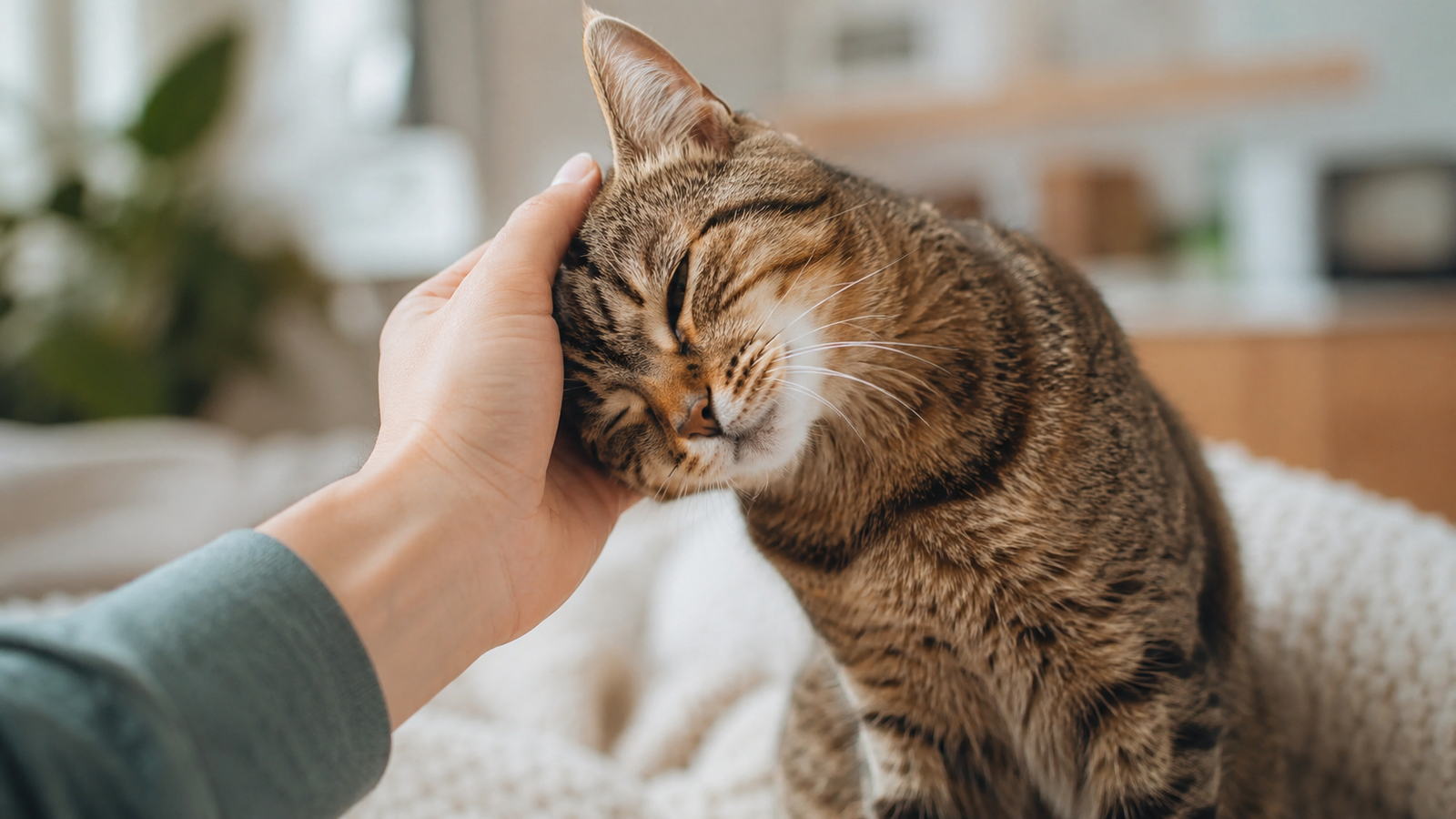
When a cat headbutts you, they are usually doing something called bunting. This is when a cat gently presses, bumps, or rubs their head against a person, another animal, or an object. Some cats use the top of their head. Others rub with their cheeks, chin, or the side of their face.
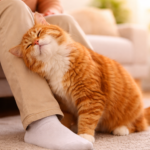
It may look like a tiny shove, but it is usually a friendly gesture. Cats do this with people they feel safe around. A cat that walks up, bumps your hand or leg, and stays relaxed is often saying, in their own way, “You’re part of my group.”
Not every cat headbutts the same way. Some are bold and bonk you right in the face. Others give a soft cheek rub against your arm or ankle. The meaning depends on the cat, but relaxed headbutting is usually a sign of comfort and affection.
What Does Cat Headbutting Mean?
Cat headbutting usually has two main meanings: affection and scent marking. Those two things are more connected than they may seem. Cats have scent glands around their cheeks, chin, forehead, and the corners of their mouth. When they rub their face on you, they leave behind their scent.
That does not mean your cat thinks of you like a piece of furniture. Scent is one of the main ways cats understand their world, and face rubbing helps create something familiar and safe. The behavior starts early, too. Kittens rub and bump against their mothers as part of bonding, so when your adult cat does it to you, they are drawing on a very old instinct. You are being treated like family.
Headbutting can also be a simple social hello. Cats who live together rub against each other when they are relaxed and friendly. When your cat does it to you, they are including you in that same circle. In many cases, a headbutt is your cat’s version of a warm greeting. They are happy to see you, want a moment of connection, or just feel good being near you.
Why Does My Cat Headbutt Me Then Walk Away?
A cat who headbutts you and then walks away is not being rude. That may simply be all they wanted from the interaction. Cats often communicate in short moments, and a quick headbutt can be a greeting, a scent check-in, or a brief acknowledgment before they go back to whatever they were doing.
Some cats use headbutting almost like a passing nod. They bump your leg as they walk by, rub their cheek against your hand, and continue on with their day. It does not mean they want to be picked up, petted for ten minutes, or followed around the house. They came over, checked in, and moved on. Very cat.
If your cat headbutts you and then leads you somewhere, that is a different situation. Some cats will bump you, walk a few steps, look back, and repeat until they get what they want — food, play, or access to a room. In that case, the headbutt is part affection and part request.
Why Cats Headbutt Some People But Not Others
Cats are selective with trust. A cat may headbutt one person in the house and largely ignore another, even if both people are kind to them. That does not always mean the cat dislikes the other person. It usually means they feel more familiar or bonded with one over the other.
Body language plays a big role. Cats tend to gravitate toward people who move calmly, speak softly, and let them choose when to interact. Someone who reaches for the cat too quickly, picks them up often, or pets them past the point they enjoy may simply get fewer headbutts over time.
Scent matters too. Cats recognize familiar smells and feel safest around people whose scent is part of their everyday environment. A visitor wearing strong perfume, smelling like another animal, or acting excited may cause your cat to keep their distance regardless of how friendly they are.
When Headbutting Might Be a Problem
Most cat headbutting is completely normal, especially when your cat seems relaxed and the behavior fits their usual personality. A gentle bump, cheek rub, or forehead press is nothing to worry about.
The concern is when the behavior changes suddenly or looks forceful. If your cat starts pressing their head hard against walls, furniture, floors, or corners, that is not the same as affectionate headbutting. Head pressing is a distinct behavior and can be a sign of a neurological or medical problem that needs veterinary attention.
Call your vet if head pressing comes with other symptoms: confusion, stumbling, hiding, seizures, sudden aggression, appetite changes, or signs of pain. A cat who seems disoriented or repeatedly pushes their head into objects should be checked as soon as possible.
The difference is usually clear. Normal headbutting is social and relaxed. Your cat bumps you, rubs on you, or leans in while seeming aware and comfortable. Problematic head pressing looks repetitive, forceful, and disconnected from any social context.
How to Respond When Your Cat Headbutts You
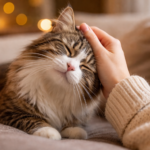
Keep it gentle. If your cat headbutts you, offer a soft pet on the head, cheek, or under the chin if they enjoy that. Some cats especially like a slow scratch near the cheeks because that is right where they are already rubbing their scent.
Let your cat guide the interaction. If they lean in, purr, or stay close, they may want more attention. If they headbutt you and walk away, let them go. That moment still meant something, even if it only lasted two seconds.
Try not to grab or pick up your cat every time they headbutt you. For some cats, that can turn a sweet greeting into something they start avoiding. A calm, low-key response makes it more likely they will keep doing it.
FAQs About Cat Headbutting
Is it good when a cat headbutts you?
Yes, in most cases it is a good sign. A relaxed cat who headbutts you is usually showing trust, affection, and comfort. They may also be marking you with their scent, which helps you feel familiar and safe to them.
Why does my cat headbutt my face?
Your cat may feel especially bonded to you. Cats often rub their cheeks and forehead on people or animals they trust most. If your cat is relaxed and purring while doing it, it is affection.
Why does my cat headbutt me and then bite me?
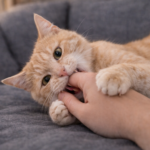
Some cats headbutt when they want attention, then bite when they get overstimulated. Watch for early warning signs like a twitching tail, tense body, or flattened ears. If biting follows petting, try keeping interactions shorter and stopping before they hit their limit.
Do cats headbutt to mark their territory?
Scent marking is part of it. Cats have scent glands on their face, and rubbing or headbutting leaves their scent behind. With people, this is less about ownership and more about creating a familiar, comforting scent connection.
Why does my cat only headbutt me and not my husband?
Your cat may feel more bonded to you, more familiar with your scent, or more at ease with how you interact with them. Cats often choose people who let them control the pace of attention rather than people who initiate contact frequently.
Should I worry if my cat keeps pressing their head against things?
Yes. If your cat is pressing their head hard and repeatedly against walls, floors, or furniture, call your vet. That behavior is different from normal headbutting and can indicate a neurological or medical issue that needs prompt attention.
A Small Gesture That Means a Lot
When your cat headbutts you, it is one of the quieter compliments they can give. It means you feel familiar, safe, and important enough to be part of their world.
Most of the time, the best response is a calm one. Accept the gesture, offer a gentle pet if they want it, and let them decide how long the moment lasts. With cats, affection rarely comes with a big announcement. Sometimes it is just a soft bump against your hand before they walk away like nothing happened.
Debbie Reid is the founder and chief editor of CatPedia.net, with over 25 years of hands-on experience in feline care, rescue, and behavior research. Inspired by her rescue cats Snickers and Bigboy, she collaborates with animal welfare resources and consults veterinary literature to turn complex feline health, nutrition, and behavior topics into clear, actionable guides.