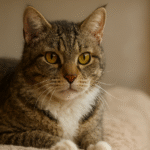
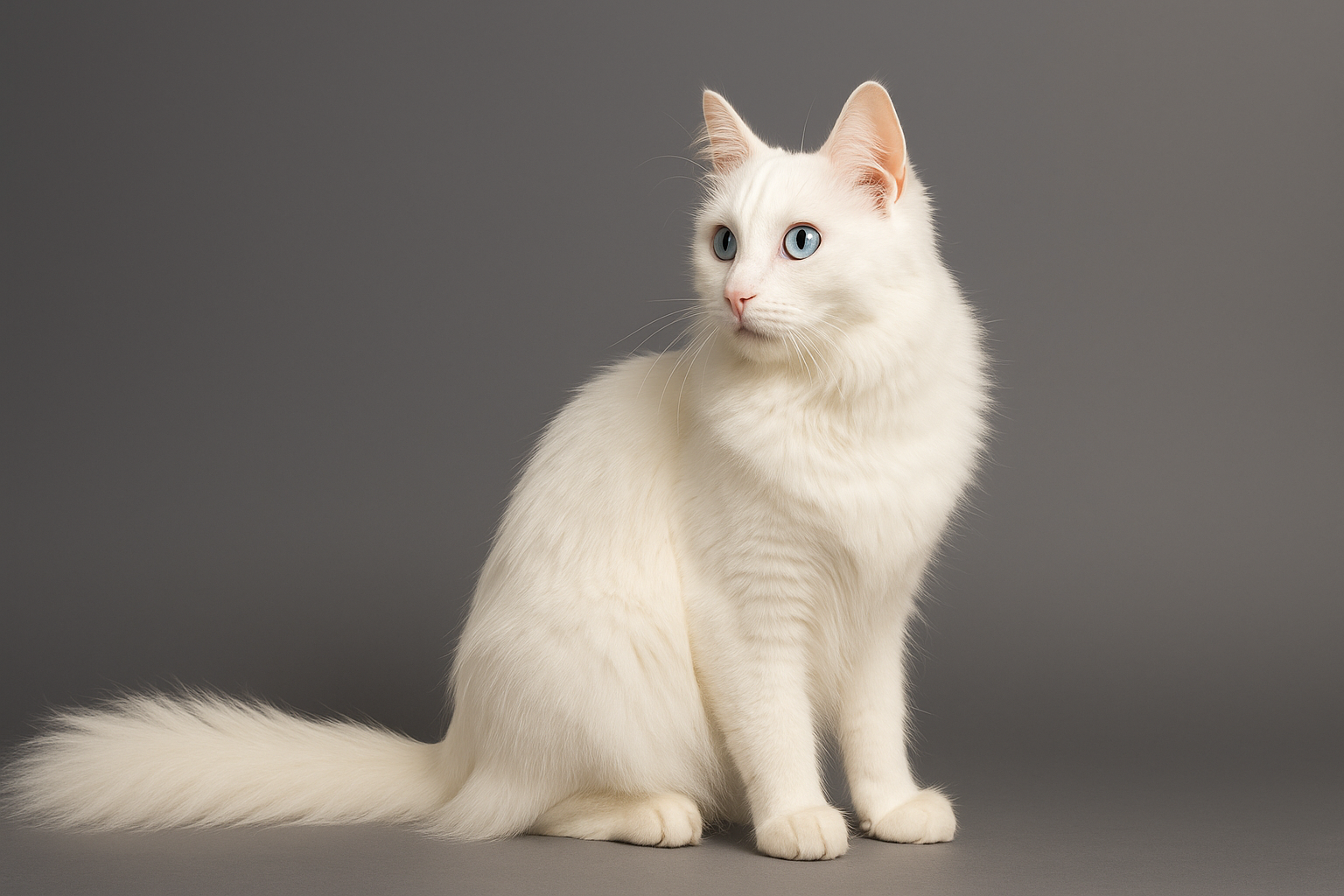
Graceful, smart, and wrapped in a silky coat, the Turkish Angora is one of the oldest and most elegant cat breeds out there. These cats are known for their soft fur, expressive eyes, and curious personalities that often lead to funny little adventures around the house. Whether it’s their looks or their charm that grabs you first, it’s easy to see why this rare Turkish cat has so many fans.
Don’t let their dainty looks fool you — Turkish Angoras are full of energy and love to play. Often called the ballerinas of the cat world, they move with style and love being part of the action. In this guide, we’ll cover what makes them special, from their personality and grooming needs to lifespan and cost.
Quick Breed Facts
- Origin: Ankara (formerly Angora), Turkey
- Breed registries: CFA, TICA, FIFe, GCCF
- Weight range: 5–10 pounds
- Lifespan: 12–16 years
- Coat: Long, silky single coat
- Colors and patterns: White is traditional, but many colors exist, including tabby, black, smoke, and tortoiseshell
- Eye color: Blue, amber, green, or odd-eyed
- Grooming: Low maintenance despite long coat
- Activity level: High
- Affection level: Very affectionate and people-oriented
- Vocality: Moderate to high
- Good with children: Yes, especially with early socialization
- Good with other pets: Usually, if introduced properly
History & Origin of the Turkish Angora
The Turkish Angora has been around for centuries. It originally comes from the Ankara region of Turkey, which used to be called Angora. These graceful cats are one of the oldest natural cat breeds, with stories and artwork showing them as far back as the 1400s. In Turkey, they were considered national treasures and often lived in palaces.
By the 1600s, Turkish Angoras had reached Europe and became popular with royals and aristocrats. They were some of the first longhaired cats introduced to the Western world. As time went on, Persian cats became more common and the Angora started to fade from view. Luckily, breeders in Turkey and North America stepped in to help keep this rare and beautiful breed going strong.
Turkish Angora Personality & Temperament
People often say the Turkish Angora is part ballerina, part mischief-maker. These cats are playful, social, and smart. They form close bonds with their people and will happily follow you from room to room. Don’t be surprised if your Angora wants to help with chores or jump in on video calls.
They’re also great communicators. You’ll hear meows, purrs, and see plenty of expressive body language. Many love puzzle toys and games, which makes them perfect for families looking for a fun, affectionate companion.
Appearance & Coat of the Turkish Angora
The first thing most people notice is the flowing, silky coat of the Turkish Angora. Despite its length, the fur is fine and doesn’t mat easily. They have slender bodies, long legs, and plumed tails that trail like elegant feathers. Their heads are wedge-shaped with large, almond eyes that can come in a variety of colors—including the stunning odd-eyed look (one blue and one amber eye).
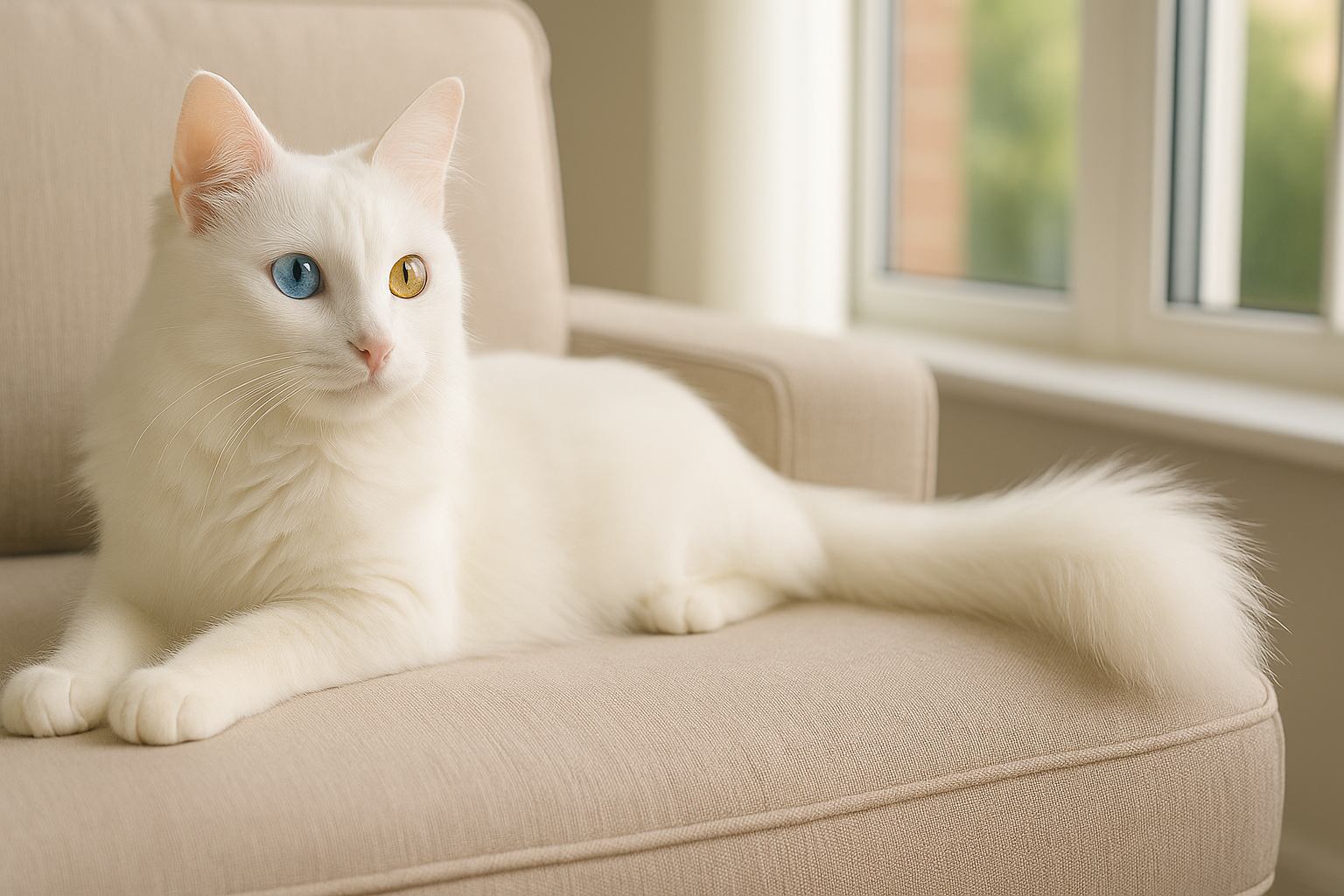
While white Angoras are the traditional favorite, this breed comes in many hues including black, blue, tabby, tortoiseshell, smoke, and dilute variations. It’s this combination of grace and color variety that makes the breed truly captivating.
Activity & Play: A Lively Companion
If you’re looking for a lap cat who naps all day, the Turkish Angora may surprise you. This is an active, athletic, and agile breed. They love climbing, leaping, and exploring vertical spaces like shelves and cat trees. Their love for movement goes hand in hand with their curious minds.
To keep them happy, you’ll want to offer plenty of toys, games, and ways to stay mentally engaged. Some Angoras even enjoy learning tricks or walking on a harness. They’re not just pretty cats—they’re smart, energetic, and always ready to play.

Grooming & Care Tips
Despite their luxurious appearance, Turkish Angoras are relatively low-maintenance. Their coats are single-layered and don’t mat easily, which means they need far less brushing than most longhaired breeds. A quick session once or twice a week with a slicker or soft-bristle brush usually does the trick.
In addition to brushing, check their ears regularly for wax or debris, especially if your Angora has white fur. Trim their nails every couple of weeks and consider introducing a dental routine like vet-approved treats or brushing if they tolerate it. While baths aren’t usually necessary, an occasional rinse can help if their coat gets oily or dusty.
Health & Lifespan of Turkish Angoras
Turkish Angoras are generally healthy cats with a life expectancy of 12 to 16 years. Some lines — especially white-coated ones — may be prone to congenital deafness. Ethical breeders usually test for this, along with other issues like hypertrophic cardiomyopathy (HCM).
Routine vet visits, vaccinations, and a good diet all help your Angora stay healthy for years to come. If you’re adopting, be sure to ask about health screenings and the cat’s lineage.
Family Compatibility & Social Behavior
Turkish Angoras are wonderful family cats. They bond strongly with their humans and are known to be gentle with children and polite with guests. Their high energy and social nature mean they often thrive in busy households—but they also enjoy one-on-one cuddle time.
Early socialization helps them get along with other pets, including dogs and other cats. Just be aware that they may want to be the star of the show. They love attention and do best when they’re treated as a true member of the family.
Recommended Supplies
Turkish Angoras are active, curious, and love to explore their environment. To keep them happy, it helps to have a mix of things they can climb, scratch, and snuggle into. They appreciate both open spaces for play and cozy spots for rest.
Look for supplies that match their personality—cat trees, tunnels, soft beds, and puzzle toys are all great options. A tall cat tree can be especially helpful for satisfying their love of vertical spaces.

Turkish Angora Cat FAQs
How much does a Turkish Angora cat cost?
The price of a Turkish Angora can range from $300 to $1,200 depending on pedigree, breeder reputation, and location. Show-quality cats or rare color variations may cost more. Adoption fees through a rescue or shelter are typically lower.
Are Turkish Angora cats hypoallergenic?
They’re not considered hypoallergenic, but some allergy sufferers tolerate them better due to their single-layer coat and lower dander production compared to double-coated breeds.
Is the Turkish Angora rare?
Yes, this is a relatively rare cat breed, especially outside of Turkey. Ethical breeders are working hard to preserve its pure lineage and unique characteristics.
How can I tell if my cat is a Turkish Angora?
Look for a slender, elegant body, fine bone structure, large almond eyes, and a silky, flowing coat. Odd-eyed white cats are a common identifier, but Turkish Angoras come in many colors. DNA testing can provide confirmation if you’re unsure.
What do Turkish Angora cats eat?
A balanced diet of high-protein cat food is best. Wet food supports hydration and dental health, while quality dry kibble can add crunch. Avoid fillers, and consult your vet for portion size based on age and activity.
Is the Turkish Angora the Right Cat for You?
The Turkish Angora is best suited for people who enjoy an active, social companion. These cats love to play, explore, and stay involved in whatever their humans are doing. They’re not the type to lounge quietly in the corner — they want to be part of the action, whether that’s chasing a toy or curling up beside you at your desk.
If you have time to give them attention and mental stimulation, they’ll reward you with affection and lively company. But if you prefer a low-maintenance or independent pet, this energetic breed may keep you on your toes. For cat lovers who appreciate beauty, brains, and a strong bond, the Turkish Angora can be an unforgettable match.
Debbie Reid is the founder and chief editor of CatPedia.net, with over 25 years of hands-on experience in feline care, rescue, and behavior research. Inspired by her rescue cats Snickers and Bigboy, she collaborates with animal welfare resources and consults veterinary literature to turn complex feline health, nutrition, and behavior topics into clear, actionable guides.