
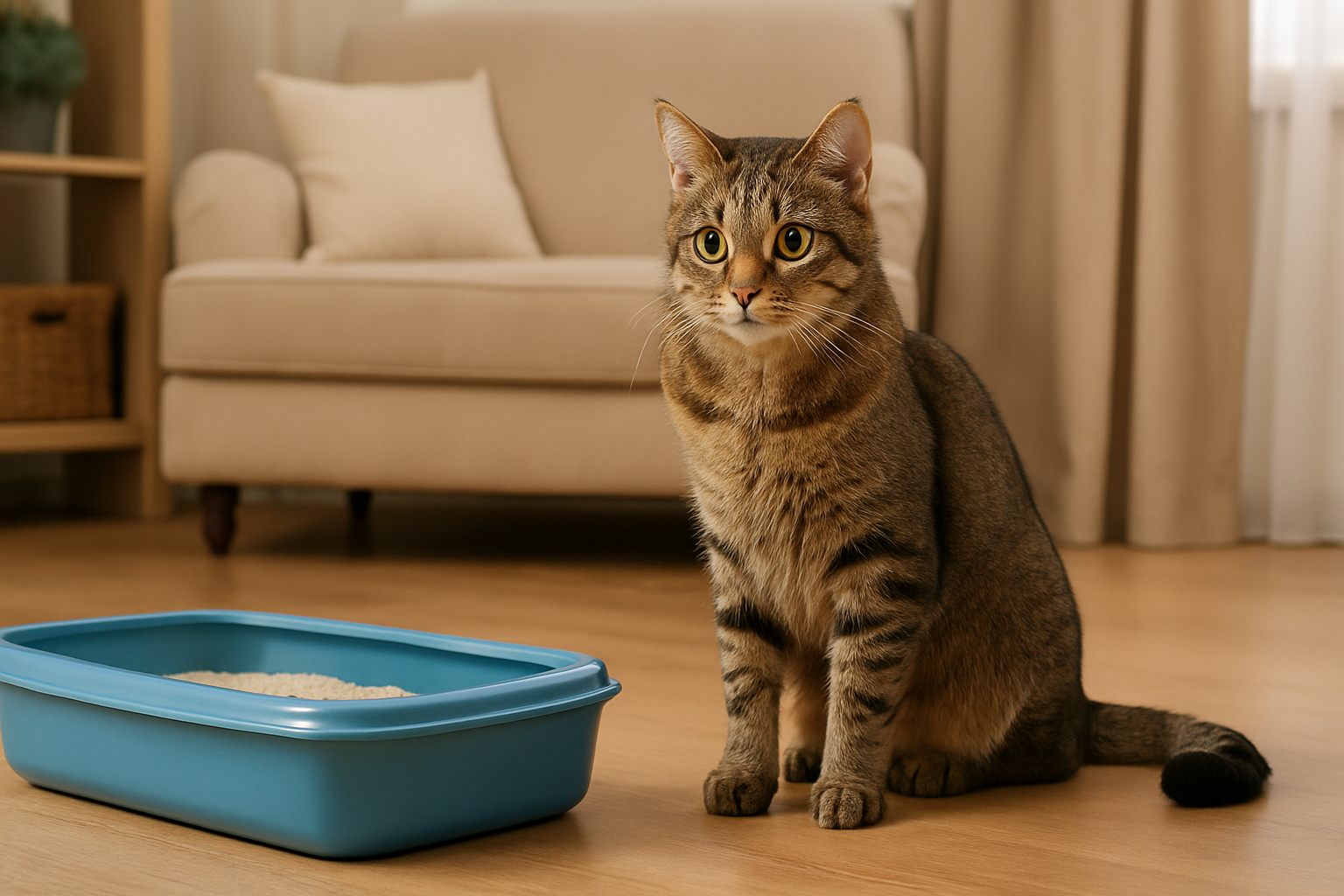
Have you ever stared at a perfectly clean litter box and thought, “Wait… did my cat not pee today?”
Yeah. Been there.
The first time this happened with my cat Snickers, I honestly thought she was just being picky. But then she started pacing, squatting without results, and looking uncomfortable. That’s when I knew something was wrong.
Let’s be honest, cats are sneaky little weirdos, and sometimes it’s hard to know when they’re in trouble. But understanding their urinary habits can be the difference between a quick fix and an emergency vet visit.
How Long Can a Cat Go Without Peeing?
Most cats should urinate at least once every 24 hours. If your cat has not peed in over 24 hours, contact your vet right away, especially if they seem uncomfortable or are trying but cannot go.
Because cats are so good at hiding discomfort, it can be easy to miss early warning signs and assume they are just having an off day. But when there is no urine output, the risk of urinary blockage, kidney stress, and toxin buildup rises quickly.
That is why paying attention to small changes, like fewer litter box clumps or repeated trips with no results, really matters. Next, let’s look at what normal pee habits look like and what can cause things to slow down or stop.
How Often Should a Cat Pee in a Day?
Most healthy adult cats pee about 2 to 4 times per day, depending on how much water they drink and whether they eat mostly wet or dry food.
Cats who eat wet food usually urinate more often, while cats on dry food may go less frequently. What matters most is what is normal for your cat and whether that pattern suddenly changes.
If your cat normally leaves several clumps each day and suddenly there are none, that change matters more than the exact number of hours on the clock.
Signs Your Cat Isn’t Peeing Normally
You scoop regularly. You assume your cat is fine. But are they actually going?
Watch for signs like:
- Frequent trips to the litter box with no results
- Straining, crying, or squatting without producing urine
- Peeing outside the box
- Hiding, lethargy, or acting withdrawn
- Excessive licking of the genital area
- A firm or swollen belly
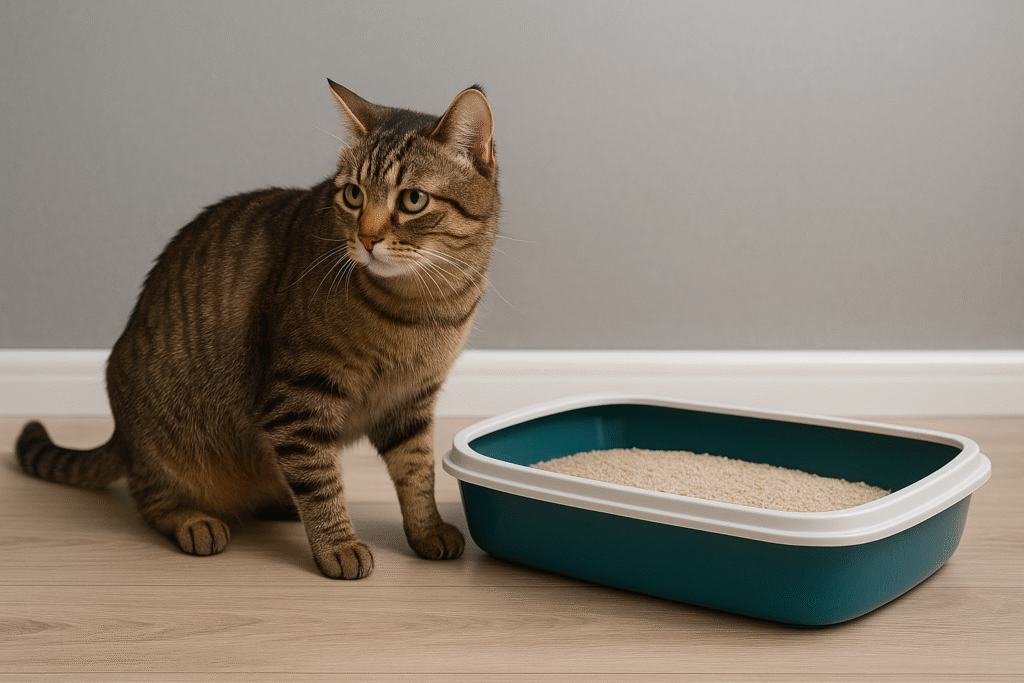
In Snickers’ case, I noticed she kept visiting the box, scratching, then walking out. No clumps. Nothing. That was my cue to stop guessing and start calling the vet.
Dehydration: The Silent Troublemaker
Cats naturally have a low thirst drive. In the wild, they would get most of their moisture from prey, so they are not great at drinking from bowls the way dogs are.
When cats do not drink enough, their urine becomes more concentrated. This makes crystals and inflammation more likely and can increase the risk of painful urinary blockages, especially in male cats.
If your cat ignores still water, a fountain can help. Many cats prefer moving water and will drink more without you having to constantly remind them.
If you want help choosing one that is quiet, easy to clean, and actually cat-approved, I break down my top-tested options here: Best Cat Water Fountains (Reviewed & Compared).
You can also support hydration by feeding more wet food and adding a little extra water or low-sodium broth to meals if your vet says it is safe.
Could It Be the Litter Box?
Cats are extremely picky about where they feel safe using the bathroom. If a litter box feels uncomfortable, is hard to reach, or is stressful to use, some cats will avoid it and try to hold their urine instead.
This is especially common in senior cats who struggle with high sides or have stiff joints, as well as in multi-cat homes where one cat may feel blocked or intimidated when trying to get to the box.
Things that can quietly turn a litter box into a problem include narrow entry points, lids that trap odors, boxes placed in noisy areas, or boxes that are not cleaned often enough for a sensitive cat’s standards.
Even small changes like switching litter brands or moving the box to a new room can trigger protest behavior. Snickers once refused her box for two days after I tried a new litter without consulting her first. Apparently, that was my mistake.
Stress Can Shut Things Down, Too
Cats are sensitive to changes in their environment. New pets, houseguests, loud noises, or even rearranged furniture can increase stress levels and trigger urinary inflammation.
Some cats respond to stress by avoiding the litter box or by developing conditions like feline idiopathic cystitis, which causes bladder pain and frequent, unproductive trips to the box.
Keeping routines predictable, offering quiet hiding spaces, and using pheromone diffusers can help reduce stress in sensitive cats, especially during big transitions like moving or adding a new pet.
Snickers personally prefers hiding in the laundry basket. Not glamorous, but effective.
Don’t Wait: When to See the Vet
Contact your vet immediately if you notice:
- No urine in 24 hours or more
- Straining with little or no urine produced (especially in male cats)
- Blood in the litter box
- Crying, restlessness, or signs of pain
Urinary problems can also put stress on the kidneys and heart, especially in older cats or cats with existing health conditions. If your cat has a history of illness, do not wait to get help.
I have done the late-night emergency vet scramble, and trust me, you never regret going in too early. Waiting too long is what makes things harder.
Ways to Help Your Cat Pee More Comfortably
Small changes at home can go a long way in supporting urinary health. Feeding more wet food, encouraging water intake, and keeping the litter box clean and easy to access all help reduce strain on your cat’s bladder.
For older cats, low-entry litter boxes can make a big difference, and adding extra boxes around the house can reduce stress in multi-cat homes.
Your vet may also recommend specific diets designed to support urinary health if your cat has a history of crystals, inflammation, or blockages.
FAQ
How long can a cat go without peeing before it’s dangerous?
Going longer than 24 hours without urinating is dangerous, especially in male cats, where this can signal a blockage and requires immediate veterinary care.
Can stress cause a cat to stop peeing?
Yes. Stress can trigger bladder inflammation and cause cats to avoid the litter box or strain without producing urine.
My cat isn’t peeing but seems fine. Should I worry?
Yes. Cats hide discomfort extremely well. If there is no urine in 24 hours, something is wrong even if your cat seems calm.
Is it normal for cats to pee only once a day?
Some cats do, especially if they eat dry food, but it should be consistent. Any sudden change in frequency should be checked by a vet.
How long can a kitten go without peeing?
Kittens should urinate several times a day. If a kitten has not peed in 12 hours, contact your vet right away because dehydration and blockages become serious very quickly in young cats.
Final Thoughts From a Worried (and Wiser) Cat Mom
If you came here worried about whether your cat has gone too long without peeing, trust your instincts. Twenty-four hours is the danger zone, and earlier is always better when it comes to urinary problems.
Snickers taught me that lesson the stressful way, but now I know the signs and I never ignore an empty litter box. Whether the cause is dehydration, stress, or something more serious, acting fast truly matters.
Keep an eye on that litter box, listen to your gut, and never feel silly calling your vet. You are your cat’s advocate, and they are counting on you.