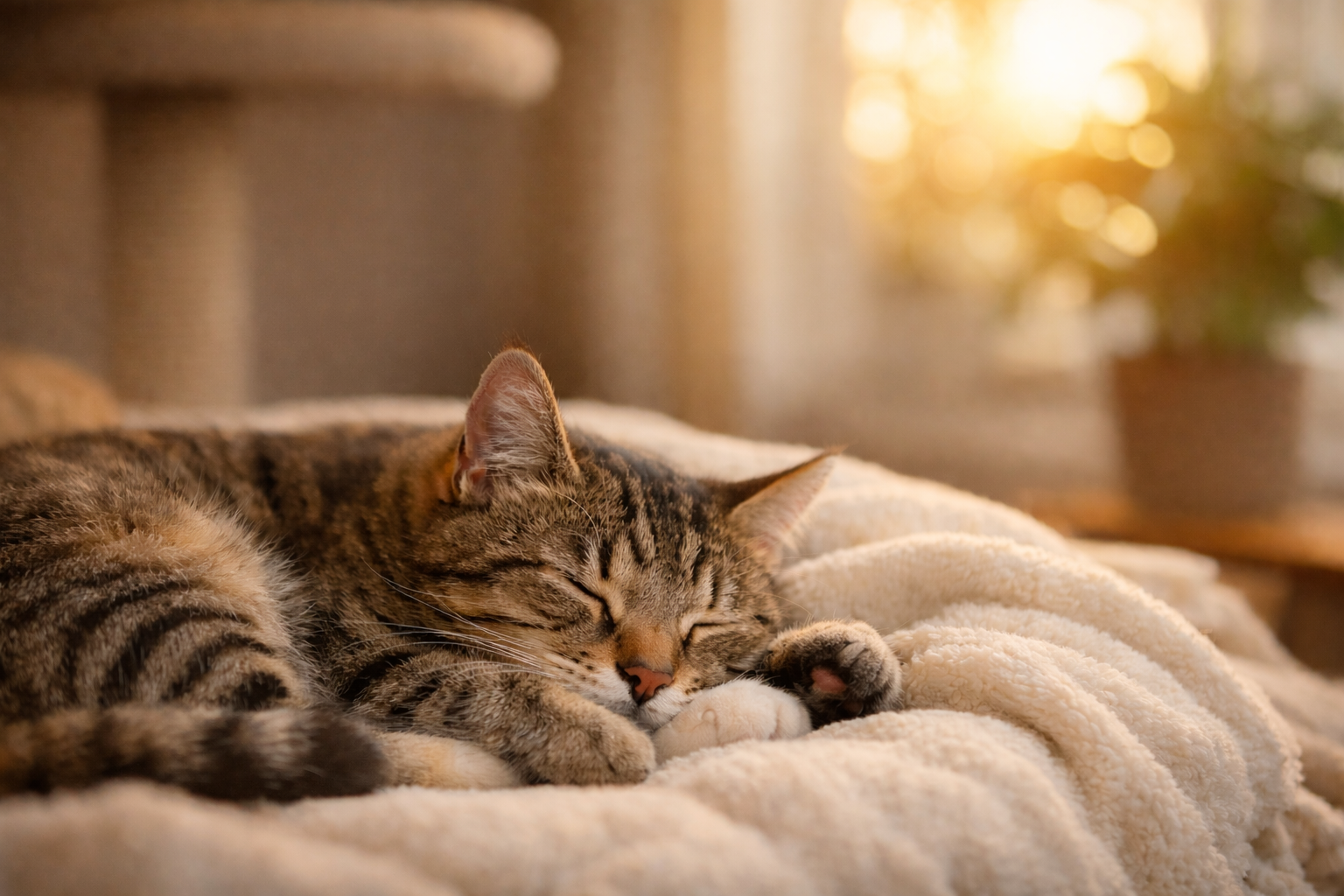
Have you ever looked over at your cat and thought, “Did you wake up just to move to a new sleeping spot?” Cats can sleep so much that it honestly feels like their full-time job.
If you’re wondering why cats sleep so much, you’re not alone. This is one of the most common “is this normal?” questions cat parents ask, especially when it seems like your cat is snoozing through the whole day.
The good news is that in most cases, a sleepy cat is a healthy cat. And once you know what normal cat sleep looks like and which changes should raise an eyebrow, it becomes much easier to tell the difference between normal rest and a true problem.
How Much Do Cats Normally Sleep?
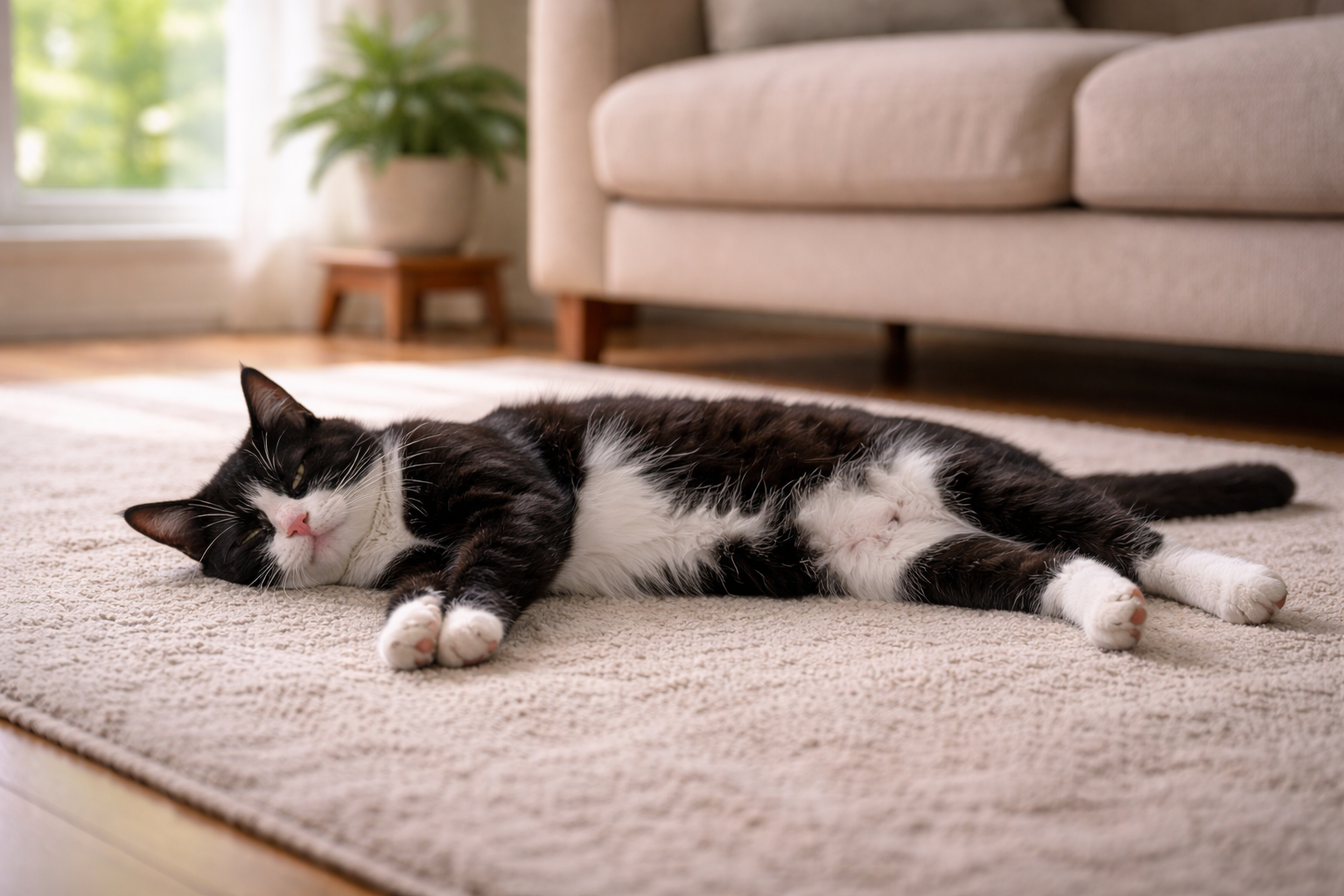
If your cat seems to be asleep more often than awake, you are not imagining things. Most adult cats sleep somewhere around 12 to 16 hours a day, which is a lot more than most people expect.
Some cats sleep even longer depending on their age and lifestyle. Kittens can sleep up to 20 hours a day while their bodies are growing, and senior cats often rest more because they do not have the same energy they once did. Indoor cats may also nap more simply because there is less going on around them.
It also helps to know that cat sleep does not happen in one long stretch. Cats tend to nap in short bursts. They wake up, move around, eat a little, look out the window, and then curl back up again. When you see those naps adding up all day long, it can feel like your cat is always sleeping, even when their pattern is completely normal.
Why Cats Are Built to Sleep So Much
Cats are designed for short bursts of energy. In the wild, a cat does not jog around all day. They conserve energy, then use it all at once to stalk, chase, pounce, and grab prey. Even though your cat does not need to hunt dinner, their body is still wired that way.
Because of that, cats spend a lot of time resting in between those active moments. Sleep helps them recharge for quick “go time” bursts, even if that moment is just a sudden sprint down the hallway or a surprise attack on a toy mouse.
Sleep also supports the normal work happening inside your cat’s body. While cats rest, their muscles recover, their immune system stays strong, and their brain processes information from the day. It is all part of staying healthy, not just being lazy.
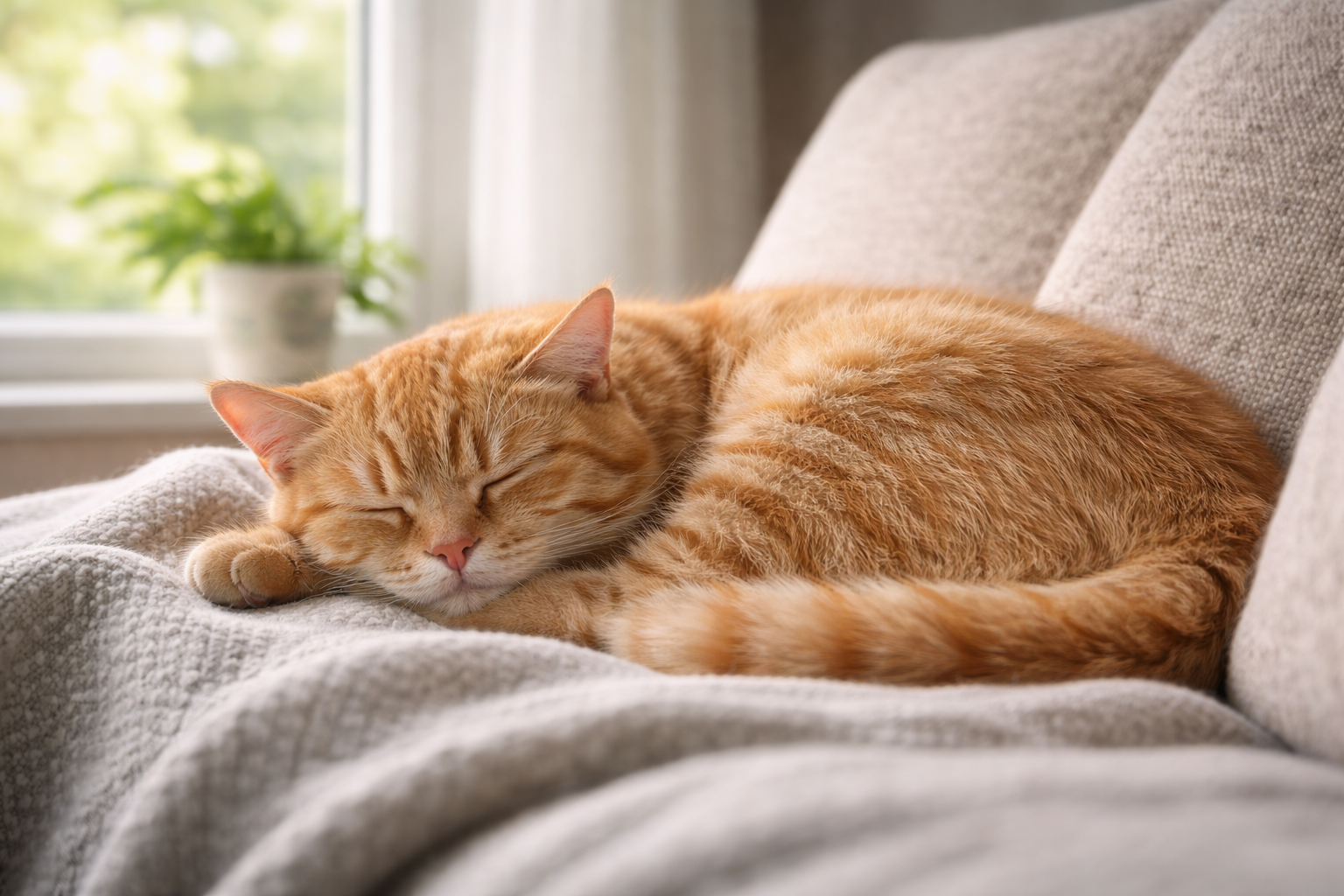
Why It Feels Like Your Cat Sleeps All Day
Cats often seem sleepiest during the day because their natural schedule is different from ours. Many cats are most active at dawn and dusk. This is called being crepuscular, which simply means they tend to wake up more when the sun is coming up or going down.
So while you are working, running errands, or doing chores, your cat may be taking long naps. Then, when your house finally gets quiet at night, your cat suddenly has energy. That is why many cat parents deal with evening play bursts or those classic middle-of-the-night zoomies, and it can make daytime sleep seem even more dramatic.
If your cat is sleeping a lot during the day but still has normal energy during their usual active times, that is typically a good sign. The pattern matters more than the clock.
When Increased Sleeping Is Normal
Sometimes cats sleep more than usual for perfectly normal reasons. A slightly sleepier week can happen after a busy weekend, a change in routine, or even a weather shift. Rainy or cold days can make some cats extra cozy and less interested in moving around.
Life stage matters too. Kittens often sleep constantly, and older cats usually rest more as well. Some senior cats slow down because their joints are stiff, their hearing or vision is changing, or they simply do not have the same stamina they used to.
Daily lifestyle plays a role as well. Cats who spend most of their time indoors are safe, well-fed, and not using energy to hunt or explore. With fewer new sights and smells to react to, some cats nap more simply because there is not much happening. That does not always mean boredom, but it can be a sign that your cat would enjoy a little more daily enrichment.
How to Tell the Difference Between Rest and Lethargy
Sleeping a lot is normal for cats, but lethargy is different and worth paying attention to.
A cat who is simply resting will still look like themselves when they are awake. They will get up for food, respond to your voice, use the litter box normally, and have at least some interest in their usual routines.
Lethargy often looks like a cat who is “not fully there.” They may be hard to wake, move slowly, sit hunched, hide more than usual, or ignore things they normally care about. You might also notice changes like less grooming, a dull coat, or a quieter mood that feels unusual for your cat.
If your cat is sleeping more and also showing other changes like appetite loss, vomiting, diarrhea, limping, or trouble using the litter box, that matters more than the sleep itself. Trust the full picture, not one symptom.
How Much Sleep Is Too Much for a Cat?
There is no perfect number that fits every cat, but there is a simple rule that helps: a sudden change is more concerning than a sleepy personality.
If your cat has always been a champion napper, that is usually just who they are. But if your cat suddenly starts sleeping far more than normal, stops greeting you or playing, or seems “off” for more than a day, it is worth paying attention.
Keeping track of patterns can help. Think about what changed recently. Was there a new food? A stressful event? Less activity? A cold snap? Or did the sleep increase with no clear reason at all?
What You Can Do If Your Cat Seems Extra Sleepy
If your cat seems a little more sleepy than usual but is otherwise acting normal, you can try a few gentle steps at home. The goal is not to stop your cat from sleeping, but to support healthy routines and make sure they are still engaged with life.
Short play sessions can help, even if they only last a few minutes. A quick game with a wand toy or a tossed ball can get your cat moving without overdoing it.
It also helps to rotate toys so they feel “new” again. Adding simple enrichment like a window perch, bird videos, or treat puzzles can give your cat something interesting to focus on during the day.
At the same time, keep an eye on the basics. Make sure your cat is eating, drinking, and using the litter box normally, since changes in these habits matter more than sleep alone.
If your cat is not drinking much, improving hydration can support overall health and energy. Many cats prefer running water, which is why water fountains are popular.
When to Call the Vet About Excessive Sleeping
You know your cat better than anyone. If your instincts say something is wrong, it is always okay to call your veterinarian and ask for guidance.
In general, it is smart to check in if you notice any of the following:
- Your cat is hard to wake or seems weak
- They stop eating or drinking normally
- They are hiding, acting withdrawn, or not responding like usual
- Sleep changes come with vomiting, diarrhea, coughing, or breathing changes
- They seem painful, limp, or cry when moving
- They are not using the litter box normally
Excessive sleep can sometimes happen with infections, pain, anemia, thyroid issues, kidney disease, or other health problems. That does not mean your sleepy cat has something serious going on. It just means sudden behavior changes deserve a professional opinion.
Is It Normal That My Cat Sleeps So Much?
For most cats, yes. Sleeping is a huge part of how cats recharge and take care of themselves. If your cat is eating, using the litter box, and acting like themselves when they are awake, their nap habits are usually nothing to stress about.
What matters more than the number of hours is whether anything has changed. A lazy day once in a while is normal. Ongoing changes in behavior, energy, or routine are the things worth paying attention to.
If something just does not feel right, it is always okay to reach out to your vet and talk it through. Sometimes a quick call is all it takes to put your mind at ease.
Debbie Reid is the founder and chief editor of CatPedia.net, with over 25 years of hands-on experience in feline care, rescue, and behavior research. Inspired by her rescue cats Snickers and Bigboy, she collaborates with animal welfare resources and consults veterinary literature to turn complex feline health, nutrition, and behavior topics into clear, actionable guides.