There are few things more unpleasant than leaning in for a sweet cat cuddle and getting hit with a blast of stinky breath. One second you are enjoying the moment, and the next you are wondering if something is wrong.
Bad breath in cats is common, but it is not something you should ignore. While some causes are minor, others can point to dental disease or health problems that need attention.
Once you understand what causes bad breath in cats, it becomes much easier to tell when it is harmless and when it is time to call the vet.
Common Causes of Bad Breath in Cats
Dental disease is the most common cause of bad breath in cats, and it usually starts with plaque left on the teeth. When plaque hardens into tartar along the gumline, it irritates the gums and gives bacteria a warm, moist place to grow. As those bacteria build up, strong odors begin to develop.
This is why bad breath so often comes from the mouth itself. The more plaque and food particles that stay on the teeth, the easier it is for bacteria to multiply and create unpleasant smells.
Bad breath can also happen if there are small injuries or sores inside the mouth. Even a tiny cut can start to smell once bacteria move in. Food trapped between teeth can also create odors as bacteria break it down.
Sometimes, though, the problem is not just in the mouth. Bad breath may also be linked to health problems elsewhere in the body, which is why ongoing odor should never be brushed off.
Is It Normal for Cats to Have Bad Breath?
A mild smell right after eating is not unusual, especially if your cat eats strong-smelling wet food. This kind of odor usually fades fairly quickly.
What is not normal is breath that smells bad all the time. Healthy cats usually have very mild breath with no strong or rotten odor.
If you keep finding yourself wondering why your cat’s breath smells bad day after day, that is a sign that something is likely going on in the mouth or body that needs attention.
Why Does My Cat’s Breath Smell Like Fish or Rotten Food?
A strong fishy or rotten smell often means that dental problems have been building up for a while, rather than being a mild or temporary issue.
Breath that smells this intense is commonly linked to infected gums or damaged teeth, where irritation and decay are more advanced. This is why the odor tends to be much stronger than the normal smell you might notice right after meals.
In some cases, the odor may be coming from abscesses below the gumline that you cannot see just by looking at the mouth. These infections can be painful and may spread if left untreated, which is why strong or worsening smells should always be taken seriously.
Can Health Problems Cause Bad Breath in Cats?
Yes, sometimes bad breath is not just a dental problem. Certain illnesses can also change how your cat’s breath smells.
Kidney disease can cause breath that smells like ammonia or urine. This happens when waste builds up in the blood and affects the digestive system and mouth. Kidney disease is more common in older cats and often comes with other signs like weight loss and increased thirst.
Diabetes can sometimes cause breath that smells sweet or fruity. Liver disease and severe infections can also affect breath odor. While these causes are less common than dental disease, they are serious and should be checked by a veterinarian.
If bad breath shows up along with behavior changes, appetite loss, or weight loss, it is important to seek veterinary care promptly.
Signs That Bad Breath May Be a Bigger Problem
Bad breath alone is enough to schedule a vet visit, but some signs suggest dental or medical problems may already be painful or advanced.
Contact your veterinarian if you notice any of the following along with bad breath:
- Red or bleeding gums
- Drooling or pawing at the mouth
- Difficulty eating or chewing on one side
- Loose or missing teeth
- Swelling around the face or jaw
Cats are very good at hiding pain, so these signs should never be ignored even if your cat still seems active.
How to Treat Bad Breath in Cats
The right treatment depends on what is causing the smell. In many cases, dental care is the first and most important step.
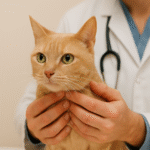
Your veterinarian may recommend professional dental cleaning to remove tartar and treat infections below the gumline. This is done under anesthesia so the teeth and gums can be cleaned safely and thoroughly.
If illness such as kidney disease or diabetes is involved, treating the underlying condition is necessary to improve breath and overall health. Simply masking the smell without addressing the cause will not solve the problem long-term.
How to Get Rid of Cat Bad Breath at Home
Once serious problems are treated or ruled out, daily care can help reduce bacteria and keep odors from returning.
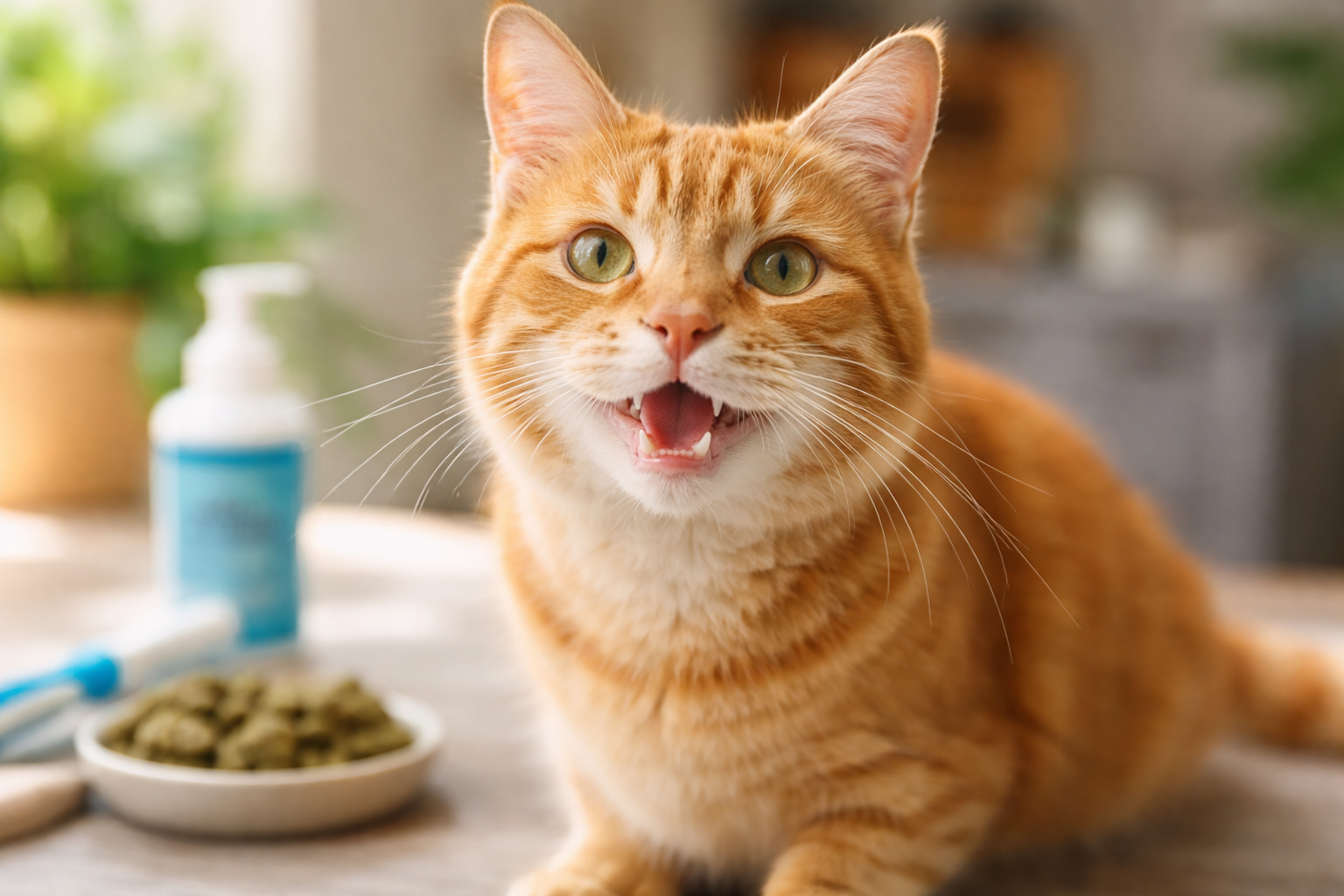
Brushing your cat’s teeth is the most effective home method, but even small steps can help if brushing is not possible right away. Using vet-approved dental treats or water additives can help reduce bacteria between cleanings and support better oral hygiene.
Some cats also benefit from dental-friendly food that gently scrapes plaque from the teeth while chewing. Your veterinarian can tell you whether this type of diet makes sense for your cat’s age and dental condition.
Encouraging better hydration also supports saliva flow, which helps naturally rinse bacteria from the mouth throughout the day. Many cats prefer moving water, so using a water fountain can make it easier to keep them drinking regularly.
These steps can help with mild cases, but they cannot fix advanced dental disease. If bad breath continues even with good home care, a veterinary exam is still needed.
Can Cat Food and Treats Help With Bad Breath?
Some foods and treats are designed to reduce plaque by gently scraping the teeth while your cat chews. These can help slow buildup, but they do not replace brushing or professional cleanings.
Dental treats can be useful for maintenance, especially for cats who refuse toothbrushes. Look for products approved by veterinary dental organizations and avoid treats that are high in sugar or fillers.
If your cat already has dental disease, treats alone will not fix the problem. They work best as part of an ongoing care routine after medical treatment has been addressed.
When to Call the Vet About Cat Bad Breath
You should contact your veterinarian if bad breath lasts more than a few days, becomes stronger, or is paired with other symptoms.
Dental disease can worsen quietly and lead to pain, infections, and damage to organs if bacteria spread through the bloodstream. Early treatment is usually easier and less expensive than waiting until problems become severe.
If you are unsure, it is always okay to call and ask whether an exam is needed.
Is Cat Bad Breath Something to Worry About?
Mild odors after meals are usually not a concern. Ongoing bad breath, strong smells, or breath combined with behavior changes are not normal and deserve attention.
Because cats hide discomfort so well, bad breath may be one of the first signs that something is wrong. Catching problems early can protect your cat from pain and prevent more serious health issues later.
When in doubt, trusting your instincts and checking with your veterinarian is always the safest choice.