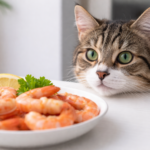

Seafood has a strong smell, and many cats find it very tempting. Even cats who usually ignore people food may suddenly show interest when something fishy is on the table.
If you have ever had your cat watching your plate while you are eating crab legs, you have probably wondered if sharing a small bite would be okay.
The good news is that cats can eat crab in small amounts, as long as it is fully cooked and served plain.
The not-so-good news is that certain types of crab and common preparations can cause problems. This is especially true for cats with sensitive stomachs or health issues.
Before you offer a taste, it helps to understand whether crab is actually good for cats and what parts are safest to share.
Is Crab Good for Cats?
Cats are carnivores and rely on animal protein to stay healthy. While crab does provide some protein and minerals, it is not nutritionally complete like regular cat food.
Commercial cat food is carefully balanced to include all the vitamins, minerals, and amino acids cats need. If crab starts replacing proper meals or cat treats, your cat could miss out on important nutrients their body depends on.
There is also a chance it could upset their stomach. Some cats handle new foods just fine, while others may end up with vomiting or diarrhea after trying something rich or unfamiliar.
So while crab is not toxic and can be enjoyed once in a while, it is better thought of as a fun taste of something new rather than a healthy part of your cat’s regular diet.
Can Cats Eat Raw Crab?
No, cats should never eat raw crab.
Raw seafood can carry harmful bacteria and parasites that can make cats very sick. Because cats are much smaller than people, even a small amount of contaminated food can cause serious stomach issues.
Some raw fish and shellfish can also prevent your cat’s body from getting the vitamins it needs if eaten often, which can lead to health problems over time.
Cooking the crab fully kills bacteria and parasites, making it much safer for your cat. For safety, always serve crab fully cooked and cooled before offering even a tiny piece.
Can Cats Eat Crab Legs or Shells?
No, cats should not eat crab legs or shells.
The shells are hard, sharp, and brittle. If a cat tries to chew or swallow them, they can cause cuts in the mouth and throat, choking, or painful blockages in the digestive tract.
Even if your cat only licks the shells, they may still be exposed to bacteria or leftover seasoning that can irritate the stomach.
If you decide to share crab, always remove every bit of shell and only offer soft, easy-to-chew meat.
Can Cats Eat Seasoned or Buttered Crab?
Crab that has been cooked with butter, garlic, salt, or spices should not be given to cats.
Garlic and onion are toxic to cats and can make them very sick, especially if eaten more than once or in larger amounts. Even small traces in sauces or seasoning can be risky.
Too much salt can be hard on your cat’s kidneys, especially for older cats or cats with kidney disease. Fatty sauces and butter can also lead to stomach upset or diarrhea.
If you plan to share crab, always set aside a small portion of plain meat before adding any seasoning or toppings to your own meal.
Can Cats Eat Imitation Crab?
Imitation crab is not recommended for cats.
It is usually made from processed fish mixed with starch, flavorings, sugar, preservatives, and a lot of added salt. While it may smell like seafood, it is much more processed than real crab.
This type of food does not really give cats what they need and adds extra fillers and too much salt to their diet.
A tiny accidental bite is unlikely to cause harm, but imitation crab should not be offered on purpose and should not become part of your cat’s regular treats.
Signs Your Cat Did Not Tolerate Crab Well
Most cats handle small amounts of plain cooked crab just fine, but not all cats tolerate new foods the same way.
After your cat tries crab for the first time, watch closely for any signs of digestive upset or discomfort, such as:
- Vomiting
- Diarrhea
- Lethargy or hiding
- Refusing to eat regular meals
If symptoms are mild and resolve quickly, it is usually not serious. However, if symptoms are severe, last longer than 24 hours, or your cat seems weak or distressed, it is best to contact your veterinarian.
How to Safely Give Crab to Your Cat
If you decide to share a little crab with your cat, following a few simple safety steps can help reduce risks.
First, make sure the crab is fully cooked and completely plain. Avoid giving any meat that has been cooked with butter, garlic, sauces, or spices.
Second, remove all shell pieces carefully. Even small fragments can be sharp and dangerous if swallowed.
Third, keep the portion very small. A bite or two is plenty for most cats. Large portions increase the chance of stomach upset.
Finally, remember that crab should only be offered occasionally. Your cat’s main nutrition should always come from complete and balanced cat food.
Final Thoughts: Can Cats Eat Crab?
When prepared properly, a small bite of crab once in a while is not dangerous for most cats. It just isn’t something they truly need in their diet.
Sticking with balanced cat food and cat-safe treats is always the best way to support your cat’s health.
And if your cat just wants to sniff your plate and walk away, that is perfectly fine too. Not every cat is impressed by seafood.