As cats get older, even small things can start to feel harder. Jumping, stepping over tall edges, and keeping their balance can all take more effort than they used to — and the litter box is often where those changes show up first.
If your cat is hesitating before stepping in, having accidents just outside the box, or looking uncomfortable while squatting, it may not be a behavior problem at all. It may simply mean their current setup is no longer working for them. Choosing the best litter box for your elderly cat can help restore confidence, reduce mess, and make bathroom trips much easier on aging joints.
Below, we’ll look at what really matters for senior cats, how litter box needs change with age, and the best senior-friendly options that focus on comfort without creating more cleanup for you.
Why Litter Box Design Matters More for Senior Cats
Many senior cats develop arthritis or muscle weakness that makes climbing and balancing harder than it used to be. A litter box that once felt normal can suddenly feel like an obstacle course, especially if the entry is tall or the inside feels cramped.
Older cats also tend to move more slowly and need extra space to adjust their position. If turning around or squatting feels awkward, some cats rush the process or avoid the box altogether. That is why litter box problems become more common with age, even in cats who were perfectly trained for years.
A litter box designed with senior cats in mind should reduce strain, not add to it. Easier entry, more room inside, and better stability can make a surprising difference in how confidently your cat uses the box.
When a Senior Cat’s Litter Box Needs an Upgrade
As cats age, small changes in how they use the litter box can happen gradually. You may not notice a problem right away, but over time it can become clear that the box is simply harder for your cat to use comfortably.
You might see your cat spending more time trying to get positioned, stepping out of the box more slowly, or choosing spots just outside the box that feel easier to reach. These kinds of changes often point to mobility or comfort issues rather than behavior problems.
That said, some litter box changes are not related to comfort at all. If your cat is straining to urinate, going very frequently, or not producing urine, that can be a medical emergency and should be checked by a vet. Once health problems have been ruled out, switching to a more comfortable senior-friendly litter box often makes a big difference.
What Actually Helps Older Cats Use the Litter Box More Comfortably
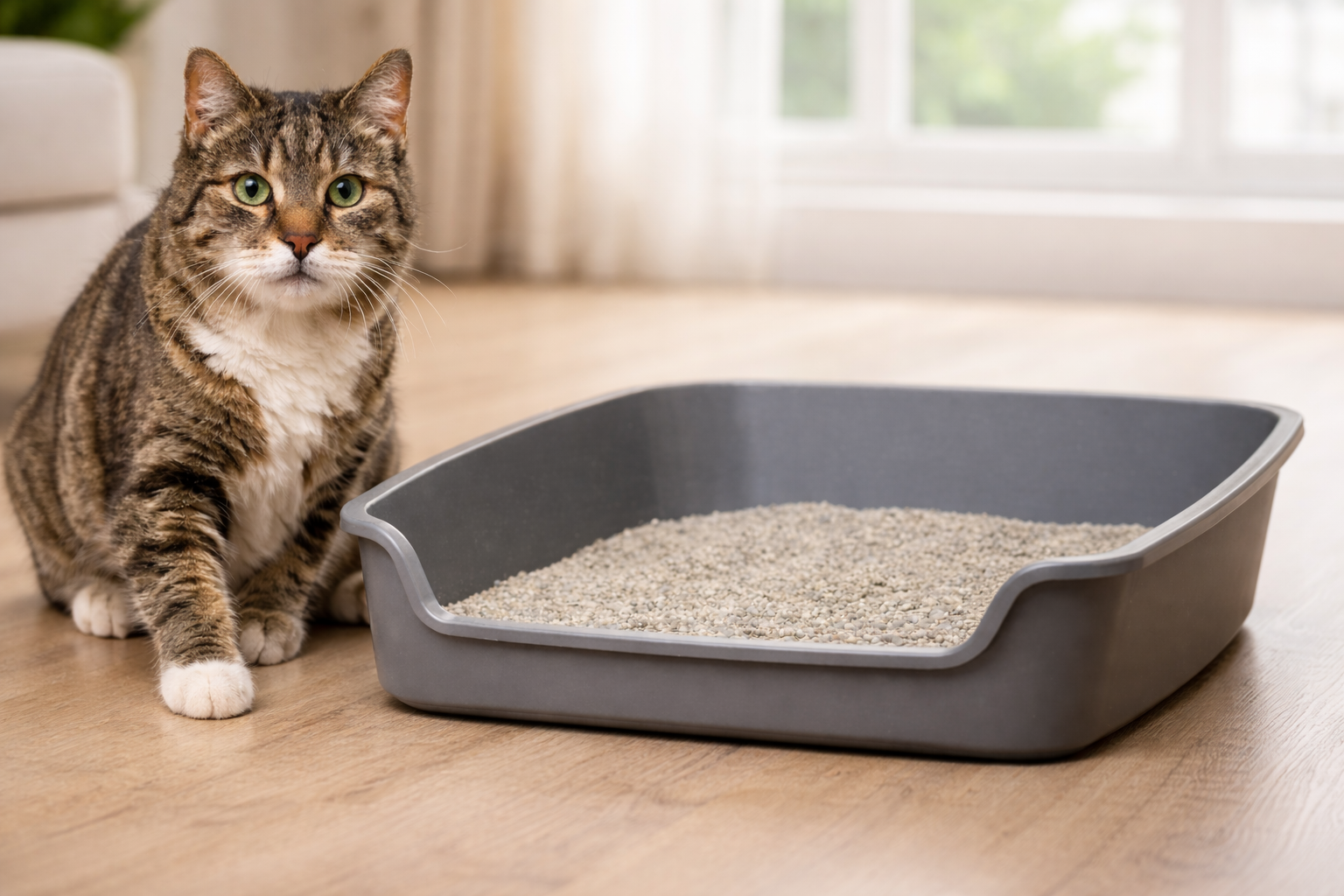
For most elderly cats, the biggest improvement often comes from lowering the entry height. Stepping over tall walls can be painful for stiff joints, so a front opening that sits closer to the floor helps reduce strain on the hips and knees.
Interior space also matters more than many people realize. Senior cats often need extra room to turn slowly and settle into position. A cramped box can make that process frustrating, which may lead to rushed or awkward positioning.
At the same time, higher side and back walls remain important for cats whose aim has changed with age. A well-designed box combines easy entry with enough wall height to keep urine and litter where they belong.
When choosing a litter box for an arthritic cat, comfort should always outweigh convenience or style. If the box is easy to enter and feels stable, most cats adapt very quickly.
Best Litter Boxes for Elderly Cats (Top Picks)
These senior-friendly litter boxes are designed to reduce strain on joints while still helping control mess. Each option below solves a slightly different problem, depending on your cat’s mobility and daily habits.
1. PetFusion BetterBox Large Litter Box – Best Overall for Senior Cats
| Preview | Product | Price | |
|---|---|---|---|

|
PetFusion BetterBox Non-Stick Large Litter Box, Pet Safe Coating for Easier Cleaning, Open Top... | $78.05 | View on Amazon |
The PetFusion BetterBox Large Litter Box is a strong all-around choice for most elderly cats. It has a lower front entry that makes stepping in easier, while the taller side and back walls help contain urine and litter for cats who no longer squat as precisely as they once did.
The extra-large interior gives older cats plenty of space to turn around and settle into a comfortable position without feeling cramped. This is especially helpful for cats with stiffness in their hips or back legs who need more time to adjust their posture.
The smooth, non-stick interior also makes cleaning easier if accidents happen. For many households, this box strikes the best balance between comfort, size, and mess control.
2. KittyGoHere Senior Cat Litter Box – Best for Arthritis
| Preview | Product | Price | |
|---|---|---|---|

|
KittyGoHere Senior Cat Litter Box 1 Pack, Large Blue Low Entrance Kitty Litter Box, Sized for Cats... | View on Amazon |
For cats with arthritis or significant joint stiffness, entry height becomes even more important. The KittyGoHere Senior Cat Litter Box is designed specifically for older and mobility-challenged cats, with a very low front entrance that makes stepping in much easier.
The wide opening allows cats to walk in without having to lift their legs high or balance on stiff joints. This can be especially helpful for cats who hesitate at tall box walls or seem uncomfortable climbing into standard litter boxes.
Even though the front is low, the sides and back are still tall enough to help contain urine and litter if your cat shifts or wobbles while squatting. That balance of easy entry and good wall height makes this one of the best choices when you need a true litter box for an arthritic cat without creating extra mess.
3. TownTime Extra Large Kitty Litter Box – Best for Senior Cats with Messy Aim
| Preview | Product | Price | |
|---|---|---|---|

|
TownTime Extra Large Kitty Litter Box with High Sides, Anti-Splashing, Tool-Free Assembly, Multi... | $59.99 | View on Amazon |
Some senior cats can still get into the litter box without much trouble, but their aim changes with age. Balance issues or slower movement can cause urine to hit the back or sides of the box, leading to messes behind or around the litter area.
The TownTime Extra Large Kitty Litter Box is designed with high sides on all walls to help contain spray and splatter, while still keeping an open-top design that is easier to step into than covered boxes.
The roomy interior also gives older cats space to reposition without bumping into the walls, which can help reduce accidents caused by awkward positioning. This makes it a strong choice if your cat is still mobile but struggling with messy aim.
4. Qiuma Stainless Steel Cat Litter Box with Low Entry – Best Stainless Steel Option for Senior Cats
| Preview | Product | Price | |
|---|---|---|---|

|
Qiuma Stainless Steel Cat Litter Box with Low Entry, Large Metal Kitty Litter Box for Senior or... | $49.99 | View on Amazon |
Stainless steel litter boxes are often recommended for hygiene and odor control, but most standard metal pans also have tall entry walls that aren’t ideal for older cats. The Qiuma Stainless Steel Cat Litter Box with Low Entry is different — it combines the durability and cleanability of steel with a lower front edge that’s easier for senior or injured cats to step into.
The smooth, non-stick metal interior resists odor and bacterial buildup much better than many plastic boxes, which can trap smells over time. This makes it a strong choice if your senior cat is prone to accidents, spray, or just leaves a lingering odor even with frequent cleaning.
Because the front entry sits closer to the floor and the interior is wide and open, older cats don’t have to lift stiff legs as high to get inside. The large space also gives them room to turn and settle without feeling cramped, which can help reduce rushed positioning and missed sprays. If hygiene, odor control, and accessibility all matter to you and your cat, this stainless option delivers those benefits without sacrificing comfort.
Does Litter Type Matter for Senior Cats?
Sometimes the litter itself becomes part of the problem. Aging paws and stiff joints can make digging in coarse or heavy litter uncomfortable, which may cause some cats to avoid the box or rush through bathroom trips.
Many senior cats do better with softer, low-dust litters, like Dr. Elsey’s, that are easier to move and gentler on sensitive feet. Unscented options are usually best, especially for cats with respiratory sensitivity or skin issues.
If your cat seems reluctant to scratch or dig, switching to a more comfortable litter along with a low-entry box can make a noticeable improvement.
Placement Tips That Help Senior Cats Use the Litter Box
Even the most senior-friendly box will not help if your cat struggles to reach it. Older cats do best when the litter box is easy to access and located in an area they already spend time in.
Keeping boxes on the same floor, avoiding stairs, and providing soft lighting at night can all reduce stress and hesitation. In larger homes, adding a second box can also prevent rushed trips that lead to accidents.
If your cat is still avoiding the box, this behavior guide may help identify other causes: Why Do Cats Pee Outside the Litter Box?.
When Litter Box Problems Mean It’s Time for the Vet
Not all litter box changes are caused by discomfort or aging alone. Urinary infections, kidney disease, and digestive issues can all affect how and where a cat goes to the bathroom.
Contact your vet if you notice sudden accidents, crying while using the box, blood in urine, strong odor changes, or repeated trips with little output. Medical problems can look very similar to litter box preference issues, so it is always worth ruling out health concerns.
FAQs
What is the best litter box for an elderly cat with arthritis?
A box with a very low front entry and wide opening is usually best. Reducing how much your cat has to lift their legs makes daily use much more comfortable.
How low should the entry be for a senior cat litter box?
Many senior cats do well with an entry around two to three inches. Cats with more advanced joint pain may benefit from even lower step-in designs.
Should senior cats use covered litter boxes?
Most older cats prefer open boxes because they are easier to enter and turn around in. Covered boxes can feel cramped and harder to access for cats with mobility issues.
Do older cats need larger litter boxes?
Often yes. Extra interior space helps senior cats adjust their position slowly and comfortably, which can reduce accidents.
Can a senior cat use an automatic litter box?
Some can, but many elderly cats find automatic boxes harder to enter. Traditional low-entry boxes are usually more comfortable for cats with joint stiffness.
Which Senior Litter Box Is Right for Your Cat?
If you are not sure where to start, a low-entry, large litter box is the best first upgrade for most senior cats. It reduces strain on aging joints, gives your cat plenty of room to move, and helps prevent accidents around the box. That is why the PetFusion BetterBox Large Litter Box is our top overall pick for elderly cats.
If your cat has more advanced arthritis or hesitates to lift their legs at all, a box with an even lower front opening may be a better fit. And if messy aim is the main problem, higher back and side walls can make cleanup much easier. Small comfort changes often lead to big improvements in litter box habits, especially for older cats.
| Preview | Product | Price | |
|---|---|---|---|
|
|
PetFusion BetterBox Non-Stick Large Litter Box, Pet Safe Coating for Easier Cleaning, Open Top... | $78.05 | View on Amazon |