
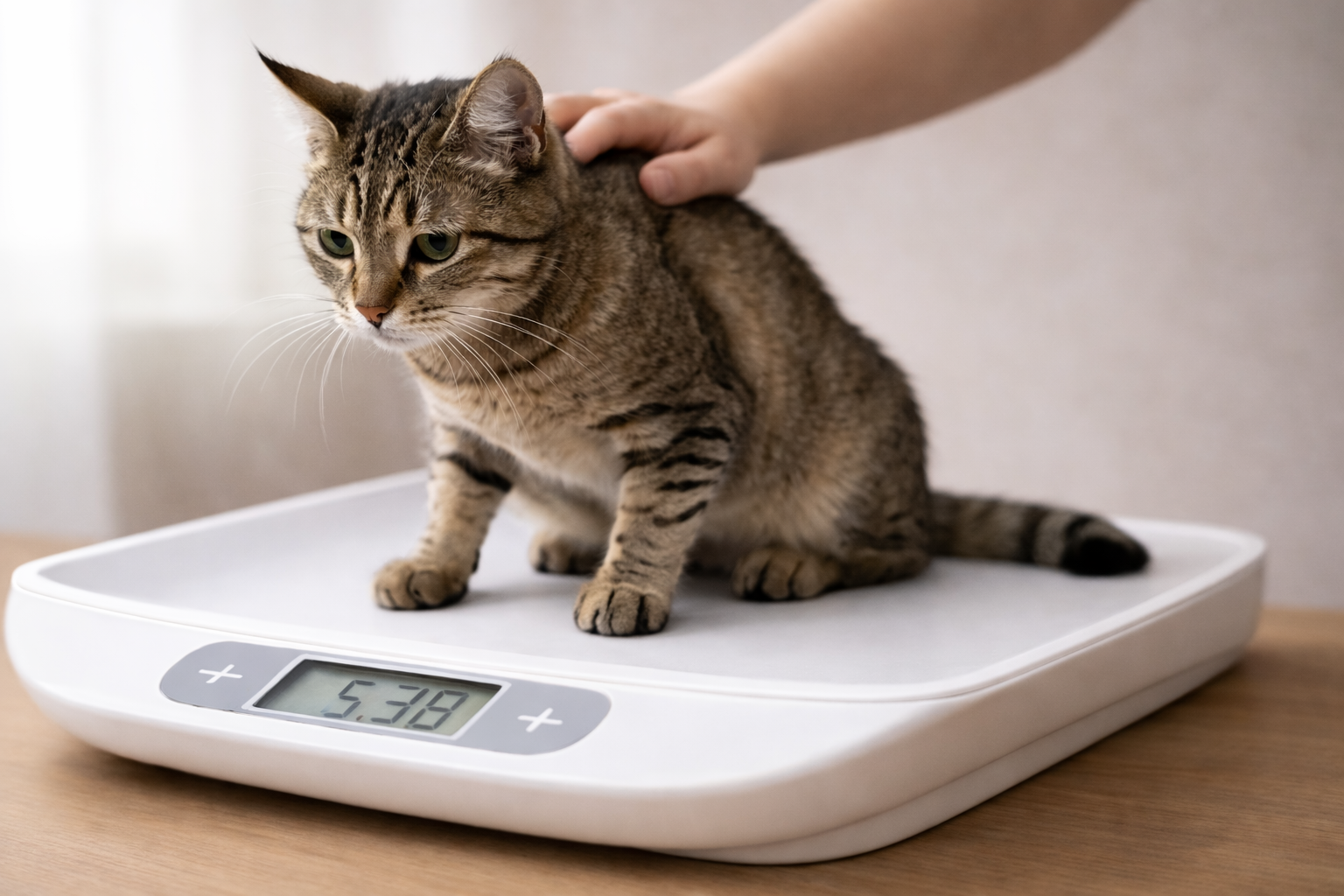
When a cat starts losing weight, it is natural to worry about what might be causing it. Even small changes can feel unsettling, especially when your cat seems fine otherwise.
Sometimes weight loss is linked to simple things like stress or dental discomfort, and other times it can be a sign of an underlying health problem that needs treatment.
Knowing what signs to watch for can help you decide when to call the vet and when it may be okay to keep an eye on things at home.
Common Reasons Cats Lose Weight
Most cases of weight loss in cats come down to one of three things: eating less than usual, burning more calories than normal, or not absorbing nutrients properly from food.
Sometimes a cat eats less because something hurts, like dental problems, or because stress and routine changes affect their appetite. Other times, a cat may eat normally but still lose weight because their body is using energy too quickly or not getting what it needs from meals.
Medical conditions such as thyroid disease, diabetes, kidney disease, and intestinal disorders can all interfere with how the body uses food and energy. These problems often develop slowly, which is why weight loss may be one of the first noticeable signs.
Because weight loss can happen for many different reasons, paying attention to patterns and other changes can help point to what may be going on and what steps to take next.
Why Is My Cat Losing Weight but Acting Normal?
This can be one of the most confusing situations for cat parents. Your cat still plays, eats, and cuddles, but the scale keeps dropping or their body feels thinner than before.
Some health problems cause weight loss before other symptoms show up. Early thyroid disease, mild digestive issues, or early kidney problems may not affect behavior right away, even though the body is already changing.
Cats are also very good at hiding discomfort, so they may keep acting normal while something is going on inside. That is why steady weight loss, even when your cat seems fine, should always be taken seriously.
If your cat is losing weight but acting normal, a vet exam and basic bloodwork can often help catch problems early and prevent bigger issues later.
Why Is My Cat Eating but Losing Weight?
It can feel confusing when your cat seems hungry and is eating normally, yet the weight keeps dropping. This often points to problems with how the body uses food rather than how much is being eaten.
Conditions like hyperthyroidism in cats cause the body to burn calories very quickly, so even normal meals may not be enough to maintain weight. Digestive disorders can also prevent proper absorption of nutrients, meaning food passes through without fully nourishing the body.
Parasites are another possible cause, especially in outdoor cats or those with unknown exposure. These steal nutrients directly from the digestive system and can lead to weight loss even with good appetite.
If your cat is eating but losing weight, veterinary testing is the best way to find the cause and start treatment early.
Cat Losing Weight With Vomiting or Fur Changes
When weight loss happens along with vomiting or changes in the coat, it often suggests a deeper health issue rather than simple appetite problems.
Digestive conditions, food allergies, and problems like inflammatory bowel disease can all cause vomiting and weight loss together. Skin problems and fur thinning may also appear if nutrients are not being absorbed properly or if hormonal problems are affecting the body.
Repeated vomiting should never be brushed off, especially when paired with weight changes.
Any combination of weight loss and other symptoms should be checked by a veterinarian so the root cause can be treated, not just the surface signs.
Sudden Weight Loss in Cats: When It Is More Urgent
Rapid weight loss is more concerning than slow changes over time. If your cat seems to be shrinking quickly, it may signal that something serious is affecting how their body is working.
Sudden weight loss in cats can happen with infections, severe digestive problems, diabetes, or problems affecting major organs. You may also notice other signs like increased thirst, vomiting, diarrhea, or low energy.
If your cat is losing weight quickly, especially over days or a few weeks, it is important to contact your veterinarian as soon as possible. Fast changes usually mean the body is struggling to keep up with what is happening.
When Weight Loss Is a Red Flag
Not every small weight change means something serious, but certain signs should always raise concern. These clues can point to illness that needs medical care.
- Rapid or ongoing weight loss
- Loss of appetite or trouble eating
- Vomiting or diarrhea
- Behavior changes or hiding
- Weakness or balance problems
- Dull or thinning coat
If you notice more than one of these signs, or if your cat seems worse instead of better, calling your vet or scheduling a visit right away is the safest choice.
When to Call the Vet About Cat Weight Loss
You do not need to wait until your cat looks extremely thin or sick to reach out for help. Even small changes are worth mentioning to your veterinarian.
If your cat is losing weight without a clear reason, continues to lose weight over time, or shows other symptoms along with weight loss, it is best to schedule an exam.
Early evaluation often leads to better outcomes and less stress for both you and your cat.
How Your Vet Figures Out What Is Causing Weight Loss
Because so many conditions can lead to weight loss, your veterinarian will usually start with a full physical exam and questions about eating habits, behavior, and recent changes at home.
Blood tests, urine tests, stool exams, and sometimes imaging like X-rays or ultrasound may be recommended. These tests help narrow down whether the problem is related to hormones, digestion, infection, or organ function.
Finding the cause early often makes treatment simpler and more effective. Many conditions that cause weight loss can be managed well when caught before they become advanced.
What You Can Do at Home to Support a Cat Losing Weight
If your vet rules out serious illness or is still working on a diagnosis, there are small steps you can take at home to support your cat’s health and help track what is going on.
Offering tasty, easy-to-eat food, warming meals slightly, and keeping feeding areas calm and quiet may encourage better eating. Monitoring how much your cat actually eats each day can also help spot patterns or changes early.
- Stick to regular meal times.
- Avoid sudden food changes.
- Weigh your cat monthly if possible.
- Watch for new symptoms.
These steps do not replace veterinary care, but they can help support your cat while you and your vet work on next steps.
Is My Cat’s Weight Loss Normal or a Sign Something Is Wrong?
Most healthy cats maintain about the same weight over time, so if your cat is losing weight, it is usually something worth looking into.
Whether the cause turns out to be something simple like a dental issue or a medical condition that needs treatment, having your vet check it out can give you clear answers and peace of mind.
Debbie Reid is the founder and chief editor of CatPedia.net, with over 25 years of hands-on experience in feline care, rescue, and behavior research. Inspired by her rescue cats Snickers and Bigboy, she collaborates with animal welfare resources and consults veterinary literature to turn complex feline health, nutrition, and behavior topics into clear, actionable guides.